The weight of a butterfly valve is a critical factor that impacts various aspects of its application, installation, and overall performance. As a seasoned butterfly valve supplier, I’ve witnessed firsthand how this often-overlooked specification can make a significant difference in different projects. In this blog, I’ll delve into what determines the weight of a butterfly valve, why it matters, and how understanding this can guide your purchasing decisions. Butterfly Valve
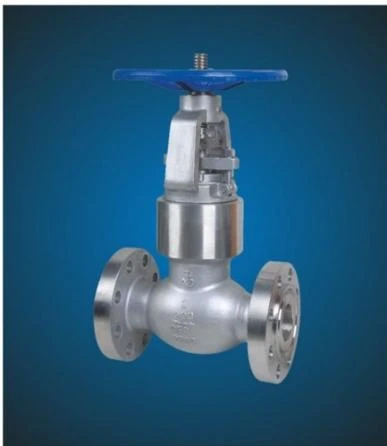
Factors Influencing the Weight of a Butterfly Valve
The weight of a butterfly valve is not a fixed value; rather, it’s shaped by a multitude of factors. The primary component contributing to the weight is the material of construction. Butterfly valves can be made from a wide range of materials, each with its own density and properties. Common materials include cast iron, ductile iron, carbon steel, stainless steel, and various plastics.
Cast iron is a traditional material for butterfly valves due to its affordability and durability. It has a relatively high density, which means that valves made from cast iron tend to be heavier. For instance, a small – sized cast – iron butterfly valve (e.g., 2 inches in diameter) might weigh around 5 – 10 kilograms, while larger ones (8 inches or more) can easily exceed 50 kilograms.
Ductile iron offers better mechanical properties than cast iron, including higher tensile strength and ductility. Although the density of ductile iron is similar to that of cast iron, the design and manufacturing processes of ductile – iron butterfly valves may result in slightly different weights. Generally, they are comparable in weight to cast – iron valves of the same size, but the specific weight can vary based on wall thickness and internal structure.
Carbon steel is another popular choice, especially for applications that require high strength and resistance to pressure. Carbon – steel butterfly valves are often used in industrial settings such as oil and gas, power generation, and chemical processing. The weight of a carbon – steel butterfly valve depends on the exact grade of steel and the valve’s size. A medium – sized carbon – steel butterfly valve (4 inches) could weigh between 15 – 25 kilograms, while large – scale valves (12 inches or more) can be several hundred kilograms.
Stainless steel is preferred in applications where corrosion resistance is a top priority, such as in the food and beverage industry, pharmaceuticals, and marine environments. The weight of stainless – steel butterfly valves is generally higher than that of valves made from some plastics but can vary depending on the specific stainless – steel alloy used. For example, a 3 – inch stainless – steel butterfly valve might weigh around 8 – 12 kilograms.
Plastic materials like PVC (polyvinyl chloride), CPVC (chlorinated polyvinyl chloride), and PVDF (polyvinylidene fluoride) are often used for butterfly valves in water treatment, irrigation, and low – pressure applications. These valves are significantly lighter than their metal counterparts. A small plastic butterfly valve (1 inch) may weigh less than 1 kilogram, making them easy to handle and install.
In addition to the material, the size of the butterfly valve is a major determinant of its weight. Larger valves require more material for their construction, and thus, they are heavier. The diameter of the valve is the most common way to measure its size. As the diameter increases, the cross – sectional area of the valve body and the disc also increase, leading to a proportional increase in weight. For example, a 2 – inch butterfly valve will be much lighter than an 8 – inch one, regardless of the material.
The design of the butterfly valve also affects its weight. Valves with more complex designs, such as those with additional features like liners, seals, or actuators, will generally be heavier. Liners are used to provide additional corrosion resistance or to improve the sealing performance of the valve. Depending on the material of the liner (e.g., rubber, PTFE), it can add a significant amount of weight to the valve. Actuators, which are used to automate the operation of the valve, can also vary in weight. Electric actuators are typically heavier than pneumatic actuators due to the presence of motors and electrical components.
Why the Weight of a Butterfly Valve Matters
The weight of a butterfly valve has several practical implications in different stages of its life cycle, from transportation and installation to long – term operation.
During transportation, the weight of the valve is a crucial consideration. Heavier valves require more robust packaging to prevent damage during transit. They also consume more fuel and resources to transport, which can increase the overall cost of procurement. For large – scale projects that require multiple butterfly valves, the combined weight of all the valves can be substantial. This may necessitate the use of larger trucks or specialized shipping methods, adding to the logistical complexity and cost.
Installation is another area where the weight of the valve is significant. Heavier valves can be more difficult to handle, requiring additional manpower or equipment such as cranes or hoists. Improper handling during installation can lead to accidents and injuries, as well as damage to the valve itself. In some cases, the structural support of the pipeline system may need to be reinforced to accommodate the weight of the valve. For example, in a building’s plumbing system, if a heavy butterfly valve is installed without proper support, it could cause stress on the pipes and lead to leaks or failures over time.
The weight of the valve also affects its long – term performance and reliability. In applications where the valve is subject to vibration or movement, a heavier valve may provide more stability. However, in some cases, excessive weight can put additional stress on the valve’s components, leading to premature wear and tear. For instance, in a high – flow pipeline, a very heavy valve may cause increased pressure drop, which can reduce the efficiency of the system.
How to Use Weight Information in Purchasing Decisions
As a butterfly valve supplier, I understand that customers need to make informed decisions when purchasing valves. The weight of the valve should be considered in conjunction with other factors such as the application requirements, budget, and installation constraints.
If you are working on a project with limited structural support or where ease of installation is a priority, lighter – weight valves made from plastics or certain alloys may be a better choice. These valves are not only easier to handle but also more cost – effective in terms of transportation and installation. However, you need to ensure that the material and design of the valve can meet the performance requirements of your application, such as pressure rating, temperature resistance, and corrosion resistance.
On the other hand, if your application involves high pressure, high temperature, or corrosive environments, heavier – duty valves made from materials like carbon steel or stainless steel may be necessary. Although these valves are heavier and more expensive, they offer greater durability and reliability in harsh conditions.
When comparing different valve options, it’s essential to obtain accurate weight information from the supplier. This can usually be found in the product specifications or by requesting a detailed quote. By understanding the weight implications, you can better evaluate the overall cost – effectiveness of each option and make the right choice for your project.
Conclusion
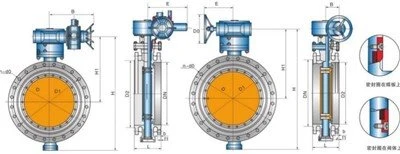
The weight of a butterfly valve is a complex parameter that is influenced by material, size, and design. It has far – reaching implications for transportation, installation, and long – term performance. As a butterfly valve supplier, I am committed to providing my customers with high – quality valves that meet their specific needs. Whether you are looking for a lightweight valve for easy installation or a heavy – duty valve for demanding applications, I can offer you a range of options.
Globe Valve If you have any questions about the weight of butterfly valves or need assistance in selecting the right valve for your project, please feel free to contact me. I’m here to help you make the most informed purchasing decisions and ensure the success of your project.
References
- ASME B16.34 – Valves – Flanged, Threaded, and Welding End
- API 609 – Butterfly Valves, Double – Flanged, Lug – Type, and Wafer – Type
- ISO 5752 – Flanged, Threaded, and Welding End Industrial Valves – Face – to – Face and End – to – End Dimensions
Zhengmao Valve Co., Ltd.
As one of the most professional butterfly valve manufacturers and suppliers in China, we have world-leading production equipment and strong manufacturing capabilities. Please feel free to wholesale advanced butterfly valve at competitive price from our factory.
Address: No. 19, Zhangbao West Road, Wuxing Industrial Zone, Oubei Town, Yongjia County
E-mail: chinazmv@Gmail.com
WebSite: https://www.zhengmao-group.com/
