Hey everyone,
If you’ve ever wandered around a backyard pool area on a hot summer day and wished the surrounding walls didn’t look like every other generic vinyl or stained cedar structure, this one’s for you. I’m Mia, and I’ve spent the last four years selling outdoor bamboo wall panels—so I’ve heard every question in the book, but none has stuck with me longer than the one I get from pool owners and contractors: “Can outdoor bamboo wall panels actually hold up in a pool area?” Outdoor Bamboo Wall Panels
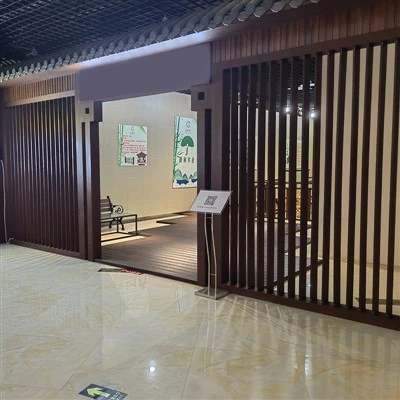
It’s a fair question. Pool spaces are harsh. Constant exposure to chlorine, salt water, UV rays, and high humidity can turn even the sturdiest building materials into a messy, faded, or warped liability. Years ago, I’d have hesitated to answer that. Back then, most bamboo panels were treated with basic chemicals that couldn’t handle the unique stresses of a pool environment. But today? The bamboo we source and manufacture is engineered specifically for outdoor use, and it’s more than capable of thriving in pool areas—if you choose the right product and install it correctly.
Let’s start with why people love bamboo for pool areas in the first place. Bamboo isn’t just a trendy eco-material. It’s actually incredibly dense compared to many hardwoods, with a Janka hardness rating that puts it on par with oak or even maple. That means it resists scratches, dents, and the kind of scuffs from pool toys, patio furniture, or even bare feet that would mark softer woods. Its natural grain also has a subtle, warm texture that softens the clinical look of tiled pool surrounds or concrete block walls. For many homeowners, that’s the biggest sell: it turns a utilitarian pool space into a calm, inviting outdoor oasis.
But here’s the catch: not all outdoor bamboo wall panels are created equal. The secret to making bamboo work in a pool area is in how it’s processed and treated. I’ll break down the non-negotiables we stand by as a supplier. First, we only use vertically oriented bamboo strips for our panels. Horizontal bamboo has a more porous structure, which absorbs moisture easily—exactly what you don’t want near a pool. Vertical bamboo’s denser, tighter grain prevents water from seeping in, reducing the risk of swelling or warping when splashed or exposed to high humidity.
Next, the treatment. Bamboo is naturally resistant to pests, but it’s still organic, so it needs an extra layer of protection against moisture and chemicals. We use a two-part treatment system for all our pool-friendly panels: an eco-friendly borate preservative that penetrates the bamboo’s core to kill any hidden pests and prevent rot, followed by a marine-grade, UV-stabilized sealant. That sealant is key. Standard exterior sealants will wear off quickly near a pool, where chlorine and salt spray can break them down in a year or two. Our marine-grade sealant is designed to stand up to repeated exposure to these chemicals, as well as daily UV rays, so it won’t fade or peel after a single summer.
I know what some of you are thinking: “What about saltwater pools?” Salt is even tougher on materials than chlorine, right? That’s true, but our panels are tested to handle salt exposure too. In our lab, we subjected sample panels to weekly saltwater spray tests for 12 months, and they showed zero signs of corrosion, warping, or discoloration. Of course, that doesn’t mean you can skip basic maintenance—more on that in a minute—but it does mean you won’t have to panic if a wave splashes up the wall or a gust of wind blows salt spray across the area.
Now, let’s talk about the real-world examples I’ve seen in the three years we’ve been supplying these panels to pool owners and contractors. Last summer, I worked with a family in Florida who installed our vertical bamboo panels around their inground saltwater pool. They’d previously used cedar, which faded to a dull gray after 18 months and had to be replaced. Their bamboo panels are still the same rich, honeyed color, and the homeowner told me they get compliments every time someone visits. The only thing they do is wipe down the walls once a week with a mild, pH-neutral cleaner—no harsh chemicals, no special treatments. Another client in Arizona installed panels around their infinity pool, where temperatures regularly hit 115 degrees in the summer. They were worried about heat warping, but their panels have held up perfectly, even after two years of extreme sun.
That said, there are some common mistakes people make when installing bamboo panels in pool areas that can lead to issues. I see these all the time, and they’re easy to avoid. First, don’t skip ventilation. Even the most water-resistant bamboo needs air circulation to prevent trapped moisture from building up behind the panels. If you install them directly over a concrete wall without a small gap or a vented mounting system, that concrete’s humidity can get trapped between the wall and the bamboo, leading to mold or mildew growth. We include vented mounting brackets with every pool panel order for exactly this reason—it’s a small step that makes a huge difference.
Second, avoid sealing the panels on your own. It’s tempting to pick up a random exterior sealant from the hardware store, but as I mentioned earlier, not all sealants are created equal. The wrong sealant can actually trap moisture inside the bamboo, causing it to swell or crack. We pre-seal all our pool panels in our factory, and we recommend a top-up seal every five to seven years with the same marine-grade sealant we use. That’s a fraction of the maintenance required for cedar, which needs re-sealing every two years or so.
Another mistake I see: choosing the wrong finish. Some people go for a glossy finish because they think it will repel water, but gloss finishes can get slippery when wet, which is a safety hazard around a pool. We offer a satin finish for all our pool-specific panels—it’s subtle, it repels water just as well, and it’s not slippery at all. It also doesn’t show water spots like a gloss finish can, so your walls will always look clean, even after a splash.
Now, let’s address the elephant in the room: cost. I know bamboo is often more expensive than vinyl or pressure-treated cedar, but when you factor in longevity, it’s actually a better investment. Our pool panels come with a 25-year warranty against warping, fading, and rot—something you won’t get with cheaper materials. Cedar might cost half as much upfront, but you’ll have to replace it every three to five years, plus factor in the cost of regular sealing and staining. Bamboo works out to be more affordable over time, and it adds value to your home too. I’ve had several real estate clients tell me that properties with well-maintained bamboo pool areas sell for 5 to 10 percent more than comparable homes with generic pool surrounds.
I also hear concerns about sustainability, which makes sense right now. A lot of building materials use harmful chemicals that leach into the environment, especially near pools where water runoff can carry those chemicals into local ecosystems. Bamboo is one of the most sustainable materials on the planet—it grows faster than any other woody plant, reaching full maturity in three to five years, compared to 20 to 30 years for most hardwoods. Our panels are FSC-certified, which means the bamboo we source is grown without harmful pesticides, and our treatments are non-toxic, so they don’t leach chemicals into the pool water or surrounding soil. For anyone who cares about reducing their carbon footprint, bamboo is a clear win here.
Of course, no material is perfect. If your pool area is right next to a lake or a river where there’s constant moisture from high waves or flooding, bamboo might not be the best choice—even our treated panels aren’t designed to be fully submerged in water. But for most standard pool areas, whether they’re inground, above-ground, chlorine or saltwater, bamboo panels work as well as any material I’ve seen.
Let me wrap this up with a quick takeaway: if you’re looking for a pool wall that’s durable, beautiful, low-maintenance, and eco-friendly, outdoor bamboo wall panels are absolutely worth considering. But make sure you’re buying from a supplier that uses vertical bamboo, marine-grade treatments, and offers proper installation guidance.
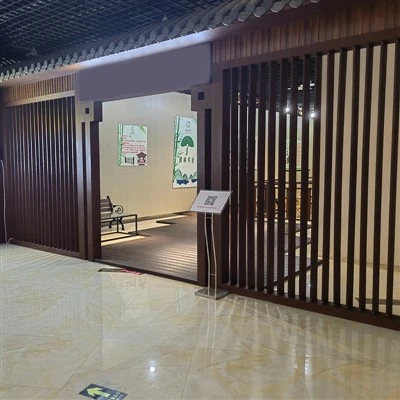
If you’re ready to explore options for your pool area, or you have more questions about maintenance, pricing, or installation, don’t hesitate to reach out to our team. We work with homeowners, contractors, and architects across the country, and we can help you pick the right panels to fit your space and budget. Whether you’re looking for a sleek, modern look or a warmer, more natural aesthetic, we have options that will turn your pool area into the retreat you’ve always wanted.
Horse Stall Panels References
The Bamboo Garden. (2022). Bamboo as a Sustainable Building Material. International Journal of Sustainable Construction Materials.
American Society for Testing and Materials. (2021). Standard Test Methods for Water Resistance of Building Materials. ASTM International.
National Wood Finishing Association. (2020). Sealant Performance for Exterior Building Materials in High Humidity Environments. NWFA Journal.
Florida Solar Energy Center. (2023). Durability of Sustainable Building Materials in Coastal Pool Environments. University of Florida Extension.
Fujian Jingmingsheng Forestry Technology Co., Ltd.
As one of the most professional outdoor bamboo wall panels manufacturers and suppliers in China, we offer a wide range of products with superior quality. With abundant experience, we warmly welcome you to wholesale bulk outdoor bamboo wall panels in stock here from our factory. Customized orders are welcome.
Address: No. 1, Daban, Fuzhuang, Xiyang Town, Yongan City, Sanming City, Fujian Province
E-mail: 17759790120@163.com
WebSite: https://www.jingangzhu.com/
