As a supplier of low voltage switchgear, ensuring the electromagnetic compatibility (EMC) of our products is of utmost importance. Electromagnetic compatibility refers to the ability of electrical and electronic equipment to function properly in its electromagnetic environment without causing unacceptable electromagnetic interference to other equipment. In this blog, I will share some key strategies and practices that we adopt to ensure the EMC of our low voltage switchgear. Low Voltage Switchgear

Understanding the Basics of Electromagnetic Compatibility
Before delving into the specific measures, it is essential to understand the basic concepts of electromagnetic compatibility. Electromagnetic interference (EMI) can be classified into two main types: conducted interference and radiated interference. Conducted interference is transmitted through power lines, signal lines, and other conductors, while radiated interference is emitted into the air in the form of electromagnetic waves.
The sources of EMI can be internal or external. Internal sources include components within the switchgear, such as power supplies, controllers, and relays. External sources can include nearby electrical equipment, radio frequency (RF) transmitters, and lightning strikes. To ensure EMC, we need to address both internal and external sources of interference.
Design Considerations for EMC
Component Selection
The selection of components is a critical factor in ensuring EMC. We carefully choose components that have low EMI emissions and are immune to external interference. For example, we use shielded cables to reduce conducted interference and ferrite beads to suppress high-frequency noise. Additionally, we select components with proper grounding and shielding to minimize radiated interference.
PCB Design
Printed circuit board (PCB) design plays a crucial role in EMC. We follow strict guidelines for PCB layout to minimize EMI. This includes separating power and signal traces, using proper grounding techniques, and avoiding long traces that can act as antennas. We also use multilayer PCBs to provide better isolation and shielding.
Enclosure Design
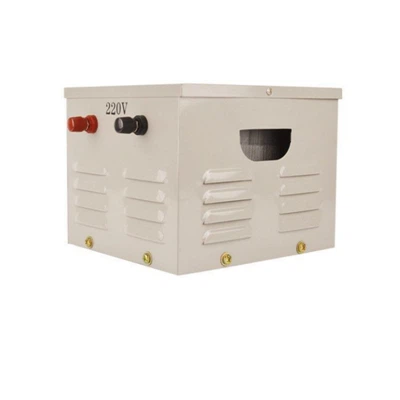
The enclosure of the switchgear serves as a shield against radiated interference. We design enclosures with proper grounding and shielding to prevent EMI from entering or leaving the switchgear. The enclosure is made of materials with high electrical conductivity, such as metal, to provide effective shielding. Additionally, we ensure that the enclosure has proper ventilation to prevent overheating, which can also affect EMC.
Testing and Certification
EMC Testing
We conduct comprehensive EMC testing on our low voltage switchgear to ensure compliance with international standards. The testing includes both conducted and radiated emissions tests, as well as immunity tests to evaluate the switchgear’s ability to withstand external interference. We use state-of-the-art testing equipment and facilities to ensure accurate and reliable results.
Certification
Once the switchgear passes the EMC testing, we obtain relevant certifications, such as CE, UL, and IEC. These certifications demonstrate that our products meet the required EMC standards and are suitable for use in various applications. The certifications also provide our customers with confidence in the quality and reliability of our products.
Installation and Maintenance
Proper Installation
Proper installation is essential for ensuring the EMC of the switchgear. We provide detailed installation instructions to our customers to ensure that the switchgear is installed correctly. This includes proper grounding, cable routing, and shielding. We also recommend the use of surge protectors and other protective devices to prevent damage from lightning strikes and other electrical surges.
Regular Maintenance
Regular maintenance is necessary to ensure the continued EMC of the switchgear. We recommend that our customers perform regular inspections and maintenance on the switchgear to check for any signs of damage or wear. This includes checking the grounding connections, cable insulation, and component performance. We also provide training and support to our customers to help them maintain the switchgear properly.
Conclusion
Ensuring the electromagnetic compatibility of low voltage switchgear is a complex and challenging task. However, by following the strategies and practices outlined in this blog, we can effectively minimize EMI and ensure the proper functioning of our products. As a supplier of low voltage switchgear, we are committed to providing our customers with high-quality products that meet the highest standards of EMC.
Low Voltage Distribution Board If you are interested in purchasing our low voltage switchgear or have any questions about electromagnetic compatibility, please feel free to contact us. We look forward to working with you and providing you with the best solutions for your electrical needs.
References
- International Electrotechnical Commission (IEC). Electromagnetic compatibility (EMC) – Part 6-2: Generic standards – Immunity for industrial environments. IEC 61000-6-2:2016.
- Underwriters Laboratories (UL). Standard for safety for switchgear and switchboard equipment. UL 891:2018.
- European Committee for Electrotechnical Standardization (CENELEC). Electromagnetic compatibility (EMC) – Part 3-2: Limits – Limits for harmonic current emissions (equipment input current ≤ 16 A per phase). EN 61000-3-2:2014.
Huachi Electric Co., Ltd.
We’re well-known as one of the leading low voltage switchgear manufacturers in China, featured by quality products and good service. Please rest assured to buy customized low voltage switchgear made in China here from our factory. Contact us for more details.
Address: Plastic Park, Tongyu Street, Luqiao District, Taizhou City, Zhejiang Province
E-mail: HCDQ2026@163.com
WebSite: https://www.huachi-electric.com/
