If you’ve ever worked with plastic processing, you know crushing equipment isn’t just a “set it and forget it” tool—especially not when you’re grinding everything from thin film scrap to thick rigid polypropylene parts day in and day out. As a supplier of plastic crushing gear, I get asked this question nonstop: How long do these things actually last? It’s not a one-word answer, and I see way too many operators guessing, either underusing their machine so it’s sitting idle or pushing it too hard so it dies prematurely. Let’s break this down like I would with a new customer who’s staring at a crumpled plastic bale and wondering if their crusher will make it to the end of the year. Plastic Crushing Equipment

First, let’s get one thing straight: there’s no generic “lifespan” that works for every crusher. I’ve seen budget, entry-level plastic crushers (the kind you might pick up for a small startup’s side project) die in 18 months if you run them 10 hours a day, and heavy-duty industrial models we supply to full-scale recycling plants that still chug along after 15 years of 24/7 shifts. The key here is context—what you’re crushing, how you’re using the machine, and how well you take care of it, not just the brand name stamped on the frame.
Let’s start with the biggest factor that kills plastic crushers before their time: the material you’re throwing in. I see this mistake all the time. An operator will buy a crusher that’s labeled for “general plastic” and start grinding thick, reinforced ABS parts or even chunks of metal-laced plastic without upgrading the blades. Those hard, abrasive materials don’t just dull blades fast—they wear down the crusher’s rotor, the liners inside the chamber, and even the motor over time. For example, if you’re crushing soft polyethylene film, you might get 5-7 years out of a well-used medium-duty machine because it’s not fighting constant abrasion. But if you’re doing daily runs of rigid, fiber-reinforced plastic, even the right heavy-duty unit will need more frequent part swaps, which shortens its overall functional lifespan if you don’t stay on top of maintenance.
Then there’s usage intensity. This ties into material but is a separate thing. Are you running your crusher 8 hours a day, five days a week for a small in-house scrap setup? That’s low-to-moderate use, and a good machine could easily hit 10 years if you do basic upkeep. But if it’s part of a 24/7 recycling line, grinding 50+ tons of plastic a day? The load on the motor, the rotor bearings, and the blade tension is constant, and even the best components will start to wear out faster. I had a customer last year who said his old crusher was on its 12th year of round-the-clock use—turns out he swapped blades every 2 months and greased the bearings twice a week, which made all the difference. Compare that to another customer who ran his crusher 10 hours a day but skipped maintenance and wore the motor out in 3 years, even though it was only mid-use.
Now, let’s talk about what “lifespan” actually means. A lot of people confuse total age with productive lifespan. Your crusher might be 10 years old, but if you can still get consistent, uniform plastic flakes out of it without constant repairs, that’s a productive machine. I’ve had customers come to me to upgrade not because their crusher broke, but because they needed higher throughput, not because it was at the end of its life. On the flip side, a crusher that’s only 5 years old might be at the end of its productive life if you’re pushing it beyond its design limits—like using a small crusher made for lab testing to grind bulk industrial scrap. The parts just aren’t built to handle that kind of load, and you’ll be replacing more parts than you’re saving.
Speaking of parts, that’s where supplier quality matters. As a plastic crushing equipment supplier, I can tell you this: not all crushers are made the same. Entry-level models use thinner steel for the chamber, lower-grade blades that dull in weeks, and smaller motors that can’t handle consistent heavy loads. Those will have a shorter lifespan, mostly because the materials themselves are cheaper. We supply industrial crushers with thick, heat-treated steel chambers, replaceable liners that take the wear instead of the main frame, and high-chrome blades that last 3-4 times longer than standard ones. That means even under heavy, continuous use, the machine doesn’t wear out as fast—its core stays intact, so you’re just swapping out cheap parts instead of replacing the whole unit every few years.
Then there’s maintenance, which is the secret sauce most people overlook. You don’t have to be a mechanic to keep your crusher running, but skipping basic checks kills lifespan faster than anything. Let’s keep this real—no fancy, jargon-heavy steps. Simple stuff like: checking blade tension every week, clearing plastic buildup from the chamber (that gunk overheats the motor), greasing the bearings, and doing a full inspection every 3 months. I had a customer once who swore his crusher would die in 2 years because he crammed way too much plastic in at once. Once we adjusted the feed rate and showed him how to do those 10-minute weekly checks, that machine is now on year 8. It’s not rocket science, but it’s the difference between a machine that works for you and one that’s a hassle.
What about signs that your crusher’s nearing the end? It’s not just when it breaks down. Red flags are: inconsistent flake size (you’re getting big chunks or too much fine dust, which means blades are worn), unusual noises that weren’t there before (grinding or rattling that’s not just plastic going in), the motor overheating every time you run it more than an hour, or constant unplanned repairs every month. If you’re seeing those, it’s not necessarily time to replace it—sometimes it’s a blade swap or bearing replacement—but if those issues keep popping up even after maintenance, that’s when you’re looking at the end of its productive life.
Here’s the thing I tell every customer: I’ve had crushers we sold run for 10+ years, and some only 3, but that’s never because the machine itself was bad—it’s because of how it was used and cared for. The entry-level crusher a guy buys for his small shop might not hold up to heavy use, but if he only runs it 4 hours a day grinding light scrap, it could easily go 7 years. The industrial crusher we supply to a big recycling plant will be pushed hard, but because it’s built for that, it’s lasting longer than the cheap stuff someone else sold them.
If you’re in the market for a crusher, don’t just ask “how long does it last?” Ask: what’s it rated for? Can it handle the plastic I’m crushing? What maintenance is needed? And will the supplier actually be there when you need parts or help? As someone who’s on the ground talking to operators every day, I can say that pairing the right machine for your use with basic maintenance is the best way to get the most out of your plastic crushing equipment. You don’t have to overspend, but you also don’t want to buy something that’s going to die before you even recoup the cost.
At the end of the day, lifespan of plastic crushing equipment is less about a number on a spec sheet and more about how you work with it. If you pick the right machine for your application, treat it right, and stay on top of small fixes before they turn into big problems, you’ll get years of reliable use out of it. If you skip those steps, even the most expensive crusher will be on its way out fast.
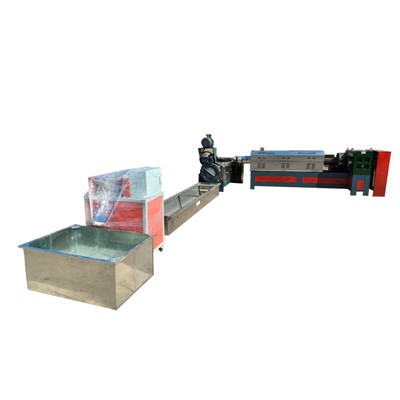
If you’re looking to upgrade your current crusher or need something tailored to your plastic processing needs, reach out to talk through what you’re working with and what you want to get out of your equipment. We can walk you through options that fit your workload, and make sure you know exactly how to keep it running for as long as possible.
Plastic Drying Equipment References
- Plastic Machinery Manufacturers Association. (2022). Industrial Plastic Processing Equipment Lifespan and Maintenance Guidelines.
- Recycling Industry Operating Standard (RIOS). (2021). Crushing Equipment Wear Factors and Productive Life Analysis.
- Society of Plastics Engineers (SPE). (2020). Performance Metrics for Plastic Size Reduction Equipment.
- National Waste & Recycling Association (NWRA). (2023). Equipment Longevity in Commercial Plastic Recycling Operations.
- ASM International. (2019). Material Wear Characteristics in Abrasive Plastic Crushing Applications.
Laizhou Yuening Machinery Co., Ltd.
As one of the most reliable plastic crushing equipment manufacturers in China, we warmly welcome you to buy cheap plastic crushing equipment made in China here from our factory. All customized machines are with high quality and low price. For pricelist, contact us now.
Address: Yuanjia Village, Luwang, Shahe Town, Laizhou City, Yantai City, Shandong Province
E-mail: yueningjixie@163.com
WebSite: https://www.ynplasticmachinery.com/
