Hey there, if you’ve ever wondered what makes a refinery’s gasoline mix the kind that runs clean and smooth in your car, you’ve probably stumbled on the term “alkylation” before. But as someone who’s spent the last 12 years working with oil processing plants as a equipment and service supplier, let me tell you—this isn’t some fancy lab trick; it’s the unsung backbone of making the fuel we all rely on every day. Let me break it down like I would with a plant manager over a cup of cold coffee after a long shift. Oil Processing Plant
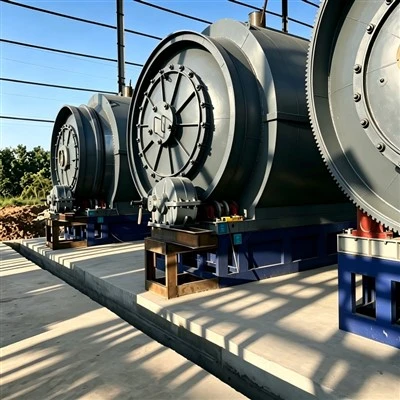
First, let’s set the scene: a typical oil processing plant crudes a barrel of crude into different “cuts” — gasoline, diesel, jet fuel, that’s the easy part. But here’s the catch: the direct gas cut from the distillation column is okay, but it’s got these light, smelly, volatile olefins (think propylene, butylene) that burn too fast, knock in engines, and aren’t clean enough for modern emissions rules. You can’t just throw that into finished gas; it’ll make your customer’s engine rattle, fail emissions tests, and get you flagged by the EPA before you can say “octane rating.” That’s where alkylation steps in.
Simply put, alkylation takes those annoying light olefins (C3-C5 molecules) and pairs them with isobutane — another light, low-value gas cut — to make a heavy, stable, high-octane liquid called alkylate. It’s like gluing two puzzle pieces that didn’t fit together naturally, but when you add a tiny bit of acid catalyst, it snaps into a perfect shape. And the best part? Alkylate is basically the perfect gasoline component: it’s got an octane rating of 90-95, no sulfur, no aromatics, and it burns super smooth with zero knocking. That’s why refineries crank out millions of barrels of alkylate a year — it makes up 10-15% of every regular-grade gasoline you buy.
Now, as a supplier, I don’t just sell parts; I’ve seen what goes wrong when a plant’s alkylation unit is down. Last year, a mid-sized refinery in the Gulf Coast had their acid settler tank — key for separating the catalyst from the product — fail, and they were offline for 10 days. Their finished gas output dropped by 20%, and they lost over $2 million in rush fees to import alkylate from another plant just to keep their trucks moving. That’s why my team specializes in not just equipment, but in keeping those alkylation units running: we tune the catalyst levels, fix the heat exchangers that keep the reaction at the right temp, and troubleshoot those tiny quirks that no manual ever explains.
Let’s get a little deeper into how it works, so you know what I’m talking about when I send my techs to your plant. There are two main types of alkylation processes right now: hydrofluoric (HF) acid alkylation and sulfuric (H2SO4) acid alkylation. HF is a strong, fuming acid that’s super efficient, but it’s also really dangerous — if it leaks, it can burn skin through clothes, and it’s toxic to the environment. Most of the older plants used HF, but lately, a lot of refineries are switching to sulfuric acid, which is safer, easier to store, and simpler to dispose of (you just neutralize it with lime, no big deal). There are also newer “solid acid” processes that don’t use liquid catalyst at all — no fumes, no corrosive leaks — but they’re still a bit pricier to run long-term.
Wait, let’s clarify a myth I hear all the time: alkylation isn’t the same as “alkylation” in organic chemistry lab. In lab, you’re pairing a carbon chain to make a small molecule; in refineries, it’s a big industrial reaction that handles tons of material every hour. My guys work on units that process 5,000 to 20,000 barrels per day, so every valve, every pump, every pH gauge has to be perfect. One wrong pressure reading, and the catalyst doesn’t mix right, leading to wasted product, higher costs, and maybe a shutdown.
I’ve had plant operators ask me: why not just use something else to boost octane? Why alkylation? Because other additives like ethanol can cause cold-start problems in winter, and aromatics (another octane booster) are bad for emissions. Alkylate is pure, clean, and it doesn’t react with other fuel components to form gum in your engine lines. It’s the only component that checks all the boxes for modern fuel regulations — which is why demand for alkylation is going up every year as countries tighten emissions rules. That’s good news for me, but it also means plants can’t afford to cut corners on their alkylation unit maintenance.
Here’s a story from a plant I worked with in Canada: they tried to skimp on acid feed rates last winter to save money, and their alkylate output dropped by 12%. By the time they noticed, they’d already blended subpar gas and had to recall 50,000 barrels — huge losses. Since then, we’ve set up a predictive maintenance schedule for them: we track the catalyst consumption daily, check the heat exchanger fouling every 6 months, and even adjust the isobutane-olefin ratio automatically if the feed stock changes. It’s saved them over $1.2 million a year in wasted product and rush work.
Now, let’s talk about the parts we supply, because that’s what we do day to day. For sulfuric acid units, we make custom acid pumps that handle the corrosive H2SO4 — no regular steel here; we use hastelloy or rubber-lined parts so they don’t eat through. For HF units, we supply pressure relief valves that can handle the volatile fumes, because you don’t want a pressure spike turning a small leak into a big problem. We also do turnkey upgrades for plants switching from HF to solid acid, which is a big project but worth it for safety. Last year, we finished a upgrade for a refinery in Texas that cut their catalyst costs by 30% and their safety incidents to zero in the first 6 months.
Wait, I should also mention what happens to the byproducts of alkylation. The main byproduct is acid sludge, which for sulfuric units is pretty easy to dispose of — you send it to a wastewater treatment plant that neutralizes it, or you can regenerate it to reuse, which saves even more money. HF units produce spent acid too, but it’s a bit more tricky, so we work with specialized recycling companies to handle that. No one wants to dump acid sludge in a landfill, so we make sure our clients follow all EPA and local environmental rules every step of the way.
I get it, if you’re not an engineer, a lot of this sounds like jargon. But at the end of the day, alkylation is about making fuel that works — for your plant’s bottom line, for the driver who doesn’t want their car to knock, and for the planet that doesn’t want extra emissions. As a supplier, my job isn’t just to sell a part; it’s to make sure your alkylation unit runs smoothly, so you don’t have to worry about missing a delivery or paying fines. I’ve been around long enough to know that a refinery is only as reliable as its process units, and alkylation is one of the most critical.
If you’re a plant manager who’s dealing with alkylation unit issues — whether it’s low output, high maintenance costs, safety concerns, or just want to upgrade to a more modern system — we can sit down and go over what your plant needs. I don’t do one-size-fits-all solutions; I listen to your pain points, look at your current setup, and bring a plan that makes sense for your budget and your goals. Whether you need a quick pump replacement, a full unit upgrade, or just a tune-up to get your alkylation back to peak performance, we’ve got the experience to get it done right.
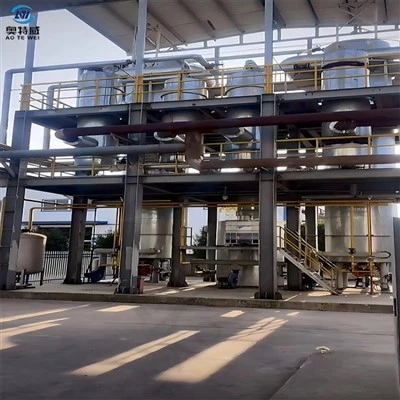
Don’t let your alkylation unit be the weak link in your fuel production. Reach out, and let’s chat about how we can help you run smoother, save money, and stay compliant.
Oil Processing Plant References:
- Gary, J. H., Handwerk, G. E., & Kaiser, M. J. (2007). Petroleum Refining: Technology and Economics (5th ed.). CRC Press.
- Speight, J. G. (2015). The Chemistry and Technology of Petroleum (5th ed.). CRC Press.
- World Bank Group. (2020. Industrial Alkylation Technologies for Low-Sulfur Gasoline: A Global Review.
- API. (2019. Refinery Process Unit Maintenance Guidelines: Alkylation Systems. American Petroleum Institute.
Shangqiu Aotewei Environmental Protection Equipment Co., Ltd.
Shangqiu Aotewei Environmental Protection Equipment Co., Ltd. is one of the most professional oil processing plant manufacturers and suppliers in China, also supports customized service. Please feel free to buy CE approved oil processing plant at competitive price from our factory. Welcome to contact us for pricelist.
Address: No.88 Longhai Road, Liangyuan District, Shangqiu City, Henan Province, China
E-mail: colin@henanpower.com.cn
WebSite: https://www.aoteweitech.com/
