Hey everyone, thanks for stopping by my corner of the blog— I’m Jake, been working as a composite fabric supplier for over 12 years now, and one question I get more than any other is, “Is composite fabric mold resistant?” It’s a super valid question, too— mold can ruin materials fast, especially if they’re used in outdoor gear, marine parts, or even things like outdoor furniture covers. I’ve seen way too many clients come to us after a batch of materials went moldy because they didn’t know what to ask for, so I figured I’d break this down straight, no fancy jargon, just what I’ve learned from years of field and factory work. Composite Fabric
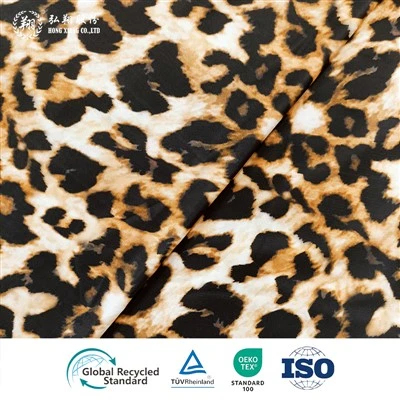
First, let’s get the basics right: what even is composite fabric? A lot of folks mix it up with regular woven fabric, but composite fabric is basically two (or more) materials bonded together— usually a synthetic base, like polyester or nylon, plus a coating or laminate that adds strength, water resistance, or other properties. That layered structure is where both the mold resistance perk and some of the confusion come in. People often assume “synthetic = mold proof” but that’s not 100% true, right? Synthetic fibers themselves don’t feed mold the way natural stuff (cotton, wool, hemp) does, but the additives, coatings, and how the fabric’s made can change everything.
Let’s start with the good news: most composite fabrics are way less prone to mold than natural alternatives. Mold needs three things to grow: moisture, organic food source, and a warm, dark spot. Synthetic fibers don’t have the starch, protein, or cellulose that mold chows down on, so the base fabric itself doesn’t give mold a free meal. But wait— that’s only the base. The coatings? That’s where it gets tricky. A lot of cheap composite fabrics use basic polyurethane (PU) coatings that don’t have any mold inhibitors. If you leave that sitting damp for a few days, that coating can hold moisture between layers, and even if the fabric itself doesn’t feed mold, the tiny bits of dirt or sweat that get trapped in the weave? Yeah, that can act as a food source, and then mold starts to grow on the surface or even in the gaps between the layers. That’s one of the biggest mistakes I see: buyers going for the cheapest composite fabric they can find, not realizing the coating’s the make-or-break part.
Now, let’s talk about what makes a composite fabric actually mold resistant. Not all mold-resistant stuff is the same, either— there’s a difference between “mold resistant” and “mold proof.” A lot of our clients need materials that can handle being left out in the rain, stored in a damp warehouse, or used for things like boat covers that get splashed with saltwater. For those, we use two key things: first, a base fabric that’s tightly woven (so less moisture gets trapped inside) and second, an antimicrobial coating that’s built in during manufacturing, not just sprayed on after. We use something called silver ion additives a lot— silver’s been used for centuries to fight bacteria and mold, right? It doesn’t wash out easily, and it works by messing with the mold’s cell structure so it can’t reproduce. We also avoid any coatings that have organic binders, because those can break down over time and end up feeding mold anyway.
I should mention, though, that even the most mold-resistant composite fabric isn’t invincible. If you leave a piece of it sitting in a puddle for weeks, never let it dry out, and don’t clean it at all, you might still see some surface mold. But that’s user error, not a flaw in the fabric. We always tell clients: good mold resistance starts with the fabric, but you still have to follow basic care. For example, if you’re using composite fabric for a patio cushion cover, wipe it off after it rains, let it dry completely before storing it, and don’t leave it crumpled in a damp bag for days. The mold-resistant additives will handle the small stuff, but neglect, and even the best material will struggle.
Wait, let’s address a common myth I hear all the time: “If it’s waterproof, it’s mold resistant.” No way, that’s not true. I’ve had a client bring us a batch of waterproof composite fabric that went moldy in a month— turns out their supplier used a PVC coating that sealed in moisture, and there was no mold inhibitor. The fabric was waterproof, but it was still holding moisture between the layers, and without anything to stop mold, it grew. Waterproof and mold resistant are related, but they’re separate properties. You can get composite fabric that’s waterproof and mold resistant, or just waterproof, or just mold resistant— you have to ask for both if that’s what you need.
Another point: where the fabric’s used matters a ton. For marine applications, like sails or boat interiors, mold is a huge problem because saltwater is always present, and it’s warm and damp down below decks. We make a marine-grade composite fabric that’s got extra silver ion additives and a UV-stabilized coating— that one’s been tested to resist mold growth for over 5 years in saltwater environments, which is way longer than standard stuff. For things like industrial covers, which get exposed to dust and moisture in warehouses, we have another variant that’s got a soil-resistant coating too, so dirt (another mold food source) doesn’t stick as easily. For outdoor apparel, like rain jackets, we have a thinner composite fabric that’s mold resistant, too— perfect for hikers who might get caught in rain and can’t dry their gear right away.
I think a lot of smaller businesses get stuck here because they don’t know what to look for. They’ll search for “composite fabric” and get a million results, but most of the time, the listing won’t mention mold resistance at all. That’s why it’s so important to ask specific questions when you’re working with a supplier: “Do you use antimicrobial additives in your coatings?” “Has this fabric been tested for mold resistance?” “Does the mold resistance wash out after cleaning?” A lot of cheap suppliers will lie and say their fabric is mold resistant, but if you push for test results, you’ll see they don’t have them. We do third-party tests for all our mold-resistant fabrics, so we can show clients the actual results— no fluff, just hard data.
Let me share a quick story, too. Last year, a small RV company came to us because their previous composite fabric for storage compartments was going moldy and ruining their brand. They’d been going with a super cheap option from a big overseas supplier, and after 2 months of being stored in damp RV lots, the fabric had black mold spots all over. We swapped them to our mold-resistant marine-grade composite, and a year later, they reported zero mold issues. That’s the kind of win I live for— knowing we helped a small business avoid a big headache.
Now, what about the downsides? I don’t want to sugarcoat it, because mold-resistant composite fabric isn’t perfect. The additives can add a little to the cost, right? It’s not as cheap as the basic stuff. Also, some people worry about the silver ions being harmful— but we make sure all our additives are OEKO-TEX certified, which means they’re safe for use in consumer goods, even for kids’ outdoor gear. If you’re working on something that’s going to be in direct contact with skin, that’s a big check box to make sure the fabric is safe, not just mold resistant.
Another thing to note: composite fabric’s structure can affect mold resistance too. If it’s a 2-layer laminate, the bond between the layers needs to be strong. If the bond is bad, moisture can seep in between the layers, and that’s a perfect spot for mold to grow, hidden from light and air. We use a lamination process that’s heat-activated, so the bond is strong, no gaps, which helps with both moisture resistance and mold prevention. Some cheaper suppliers use adhesive lamination, which can break down over time, leaving gaps. That’s why craftsmanship matters as much as the materials.
Wait, let’s circle back to the original question: “Is composite fabric mold resistant?” The short answer is: it can be, but it’s not a given. If you get a cheap composite fabric with no antimicrobial coating, it’s way more prone to mold than a natural fiber. But if you pick a quality composite fabric with built-in mold inhibitors, tightly woven layers, and a coating that doesn’t trap moisture, it’s one of the most mold-resistant materials you can get for industrial, outdoor, or marine use. Way better than cotton, canvas, or even some treated synthetics.
I should also mention care tips again, because even the best fabric needs a little TLC. For composite fabric, most can be wiped clean with mild soap and water, no harsh chemicals (which can break down the inhibitors). Always let it dry completely before folding or storing— that’s the easiest way to prevent mold, regardless of the fabric. If you do spot a small mold spot early, wipe it off right away, don’t let it spread.
A lot of people ask, “Can I treat regular composite fabric to make it mold resistant?” You can add a topical mold-resistant spray, but it’s not the same as having it built in. Topical treatments wash off after a few cleanings, and they don’t penetrate between the layers, so mold can still grow in hidden spots. It’s a band-aid, not a solution. The best way is to buy the fabric already made with mold resistance built in.

Okay, let’s wrap this up. If you’re a business owner, designer, or anyone looking for composite fabric and mold resistance is a priority, don’t cut corners on the price. Ask your supplier for details on their coatings, test results, and what kind of environment the fabric is made for. If you’re tired of dealing with mold ruining your materials, get in touch— we’ve got all kinds of composite fabrics, from thin apparel-grade to heavy industrial, that are mold resistant, OEKO-TEX certified, and built to last even in damp, outdoor or marine settings. No fluff, no hidden fees, just fabric that does what it’s supposed to. I’m always happy to answer questions, share test reports, or even help you pick the right fabric for your specific project.
Specialty Fabric References
- ASTM International. (2020). Standard Test Method for Resistance to Growth of Mold on Surfaces of Materials. ASTM D3273-20.
- Zhang, L., et al. (2018). Antimicrobial efficacy of silver ion-infused polymer composites for textile applications. Journal of Industrial Textiles, 47(7), 1245-1262.
- OEKO-TEX® Association. (2022). Standard 100 for Textiles: Requirements for Chemical Substances, Including Antimicrobial Additives.
- Marine Manufacturers Association. (2021). Recommended Practice for Mold-Resistant Marine Fabrics for Boat and Watercraft Applications.
Zhejiang Hongxiang Textile Technology Co., Ltd.
Zhejiang Hongxiang Textile Technology Co., Ltd. is one of the most professional composite fabric manufacturers and suppliers in China. With abundant experience, we warmly welcome you to wholesale custom made composite fabric from our factory. If you have any enquiry about cooperation, please feel free to email us.
Address: No. 8, 12th Road, Warp Weaving Park, Maqiao Street, Haining City, Jiaxing City, Zhejiang Province
E-mail: gd@hongxiang888.cn
WebSite: https://www.h-xiang.com/
