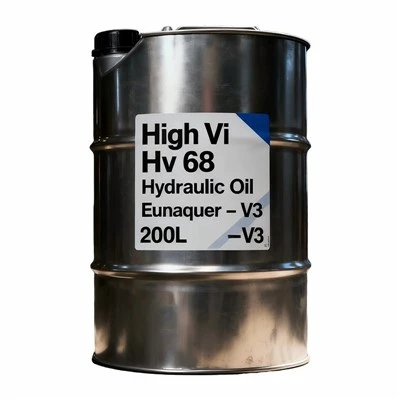
Changing hydraulic oil is a crucial maintenance procedure for various hydraulic systems across industries. As a hydraulic oil supplier deeply involved in this field, I’ve witnessed firsthand the importance of a proper oil – change process. In this blog, I’ll walk you through the step – by – step process of changing hydraulic oil. Hydraulic Oil
Step 1: Preparation
Before starting the hydraulic oil change, thorough preparation is essential. First, you need to gather all the necessary tools and materials. This includes a suitable container to drain the old hydraulic oil, a funnel for pouring in the new oil, a filter wrench to remove the oil filter, and of course, the appropriate hydraulic oil for your system. As a supplier, I always emphasize the importance of using the right type of hydraulic oil. Different hydraulic systems have different requirements based on factors like operating temperature, pressure, and the nature of work. For example, a high – pressure hydraulic system in a heavy – duty construction machine may require a hydraulic oil with high viscosity and excellent anti – wear properties.
Next, ensure that you have a good understanding of the hydraulic system. Refer to the equipment’s manual to know the exact oil capacity, the location of the drain plug, the filter, and any other relevant components. It’s also a good idea to have personal protective equipment on hand, such as gloves and safety goggles, to protect yourself from any potential spills or splashes.
Step 2: Shut Down the System
For safety reasons, the hydraulic system must be shut down completely before starting the oil – change process. Turn off the engine or power source that operates the hydraulic system. This not only prevents any accidental activation of the hydraulic components but also allows the system to cool down. Hot hydraulic oil can cause severe burns, so waiting for the oil to reach a safe temperature is crucial. In most cases, it’s advisable to let the system cool for at least 30 minutes to an hour, depending on how long it has been running.
Step 3: Drain the Old Hydraulic Oil
Once the system is shut down and cooled, locate the drain plug. Place the drain container underneath the drain plug to catch the old oil. Use a wrench to carefully remove the drain plug. Be prepared for the oil to start flowing immediately. The old oil may be dirty, dark, and contain impurities such as metal shavings, dirt particles, and degraded additives. These impurities can cause wear and tear on hydraulic components if not removed.
It’s important to drain the oil slowly to avoid any splashing. Let all the oil drain out completely. In some systems, there may be multiple drain points, so make sure to check the manual and drain all of them. After the oil has stopped flowing, use a clean rag to wipe the drain plug and the surrounding area to remove any remaining oil or debris.
Step 4: Replace the Oil Filter
The oil filter plays a vital role in the hydraulic system by removing contaminants from the oil. Over time, the filter can become clogged with impurities, which reduces its efficiency and can lead to a decrease in system performance. After draining the old oil, it’s time to replace the oil filter. Use a filter wrench to loosen and remove the old filter. Make sure to have a drain pan or a rag nearby to catch any oil that may still be in the filter housing.
Before installing the new filter, apply a thin layer of new hydraulic oil to the rubber gasket on the filter. This helps to create a good seal and makes it easier to install the filter. Screw the new filter onto the filter housing by hand until it is snug, and then give it an additional quarter – turn with the filter wrench for a proper fit.
Step 5: Clean the System (Optional but Recommended)
In some cases, especially if the old oil was extremely dirty or if there was a problem with the system, it may be necessary to clean the hydraulic system. This can be done by flushing the system with a specialized hydraulic flush fluid. The flush fluid helps to remove any remaining contaminants from the system, including those that may be stuck in the lines, valves, and other components.
To flush the system, follow the manufacturer’s instructions for the flush fluid. Typically, you’ll need to fill the system with the flush fluid, run the system for a short period at a low pressure, and then drain the flush fluid along with the loosened contaminants. This process may need to be repeated several times to ensure a thorough cleaning.
Step 6: Fill with New Hydraulic Oil
After draining the old oil, replacing the filter, and optionally cleaning the system, it’s time to fill the system with new hydraulic oil. Use a funnel to carefully pour the new oil into the oil reservoir. Refer to the equipment’s manual to ensure that you’re adding the correct amount of oil. Overfilling or underfilling the system can cause problems.
While filling the oil, monitor the oil level in the sight glass or oil level gauge. Stop pouring when the oil reaches the appropriate level. Make sure to use a clean funnel to prevent any new contaminants from entering the system.
Step 7: Prime the System
Once the system is filled with new oil, it’s necessary to prime the system to remove any air bubbles that may be present in the hydraulic lines. Air bubbles can cause cavitation, which can damage hydraulic components and reduce system efficiency. To prime the system, start the engine or power source and run the hydraulic system through its normal operating cycle several times at a low pressure.
During this process, watch for any signs of air in the system, such as unusual noises or a jerky movement of the hydraulic actuators. If air is detected, continue to run the system until the air is purged. In some cases, there may be bleed valves in the system that can be used to release air more effectively.
Step 8: Check for Leaks and Final Inspection
After priming the system, carefully inspect the entire hydraulic system for any signs of leaks. Look around the drain plug, the filter, the hoses, and all the connections. A leak can lead to a loss of hydraulic pressure and potential damage to the system. If you find a leak, tighten the affected connection or replace the faulty seal or component.
Also, check the oil level again after the system has been running for a short time. The oil level may drop slightly as the oil fills all the components in the system. Add more oil if necessary to bring the level back to the appropriate mark.
Conclusion and Call to Action
Changing hydraulic oil is a complex but necessary process to ensure the proper functioning and longevity of hydraulic systems. As a hydraulic oil supplier, I understand the importance of using high – quality oil and following the correct procedures. Our company offers a wide range of hydraulic oils that are formulated to meet the diverse needs of different hydraulic systems. Whether you’re operating a small industrial machine or a large construction vehicle, we have the right oil for you.
Hydraulic Oil If you’re interested in purchasing our hydraulic oils or have any questions about the oil – change process or the products we offer, don’t hesitate to contact us. We’re always ready to provide professional advice and support to help you keep your hydraulic systems in top condition.
References
- Hydraulic System Maintenance Manuals: Various manufacturers’ manuals provide detailed information on hydraulic system maintenance, including oil – change procedures.
- Industry Standards Documents: Documents from professional organizations that set standards for hydraulic system operation and maintenance.
- Technical Papers on Hydraulic Fluids: Research papers discussing the properties and performance of different hydraulic oils and their impact on system performance.
MoGen Lubricating Oils
With abundant experience, we are one of the most professional hydraulic oil manufacturers and suppliers in China. We warmly welcome you to wholesale custom made hydraulic oil from our factory. If you have any enquiry about cooperation, please feel free to email us.
Address: No.8003 Chewang Rd, Economic Development Zone Of Jinan, Shandong Province, China 250301
E-mail: sales@mogenoils.com
WebSite: https://www.mogen-oil.com/
