Hey there, fellow riggers, warehouse managers, and anyone who’s ever stared at a stack of multi leg wire rope slings the size of a small fridge and thought, “How the heck am I gonna move this without breaking something?”
As a sling supplier, I’ve seen it all—from guys trying to stuff a 12-leg, 50-foot span set into a pickup truck bed (spoiler: it doesn’t end well) to warehouses cutting corners on transport that ended up with slings twisted, kinked, or even damaged so bad they couldn’t pass a pre-use inspection. Today, I’m pulling back the curtain on exactly how we ship our large multi leg slings to customers all over, and what you need to know to do it safely, too. No stuffy textbook jargon—just real, hard-won tips I’ve picked up over 8 years in this business. Multi Leg Wire Rope Sling

First off, let’s get one thing straight: large multi leg wire rope slings aren’t your standard 2-foot single-leg sling. These are the ones with 4, 6, 8—sometimes 10 or 12 legs, spans that go from 20 feet up to 80 feet, and total working load limits that can hit 20 tons or more. They’re built for lifting heavy loads like steel beams, transformer units, or precast concrete, so they’re made to be tough—but they’re not indestructible. The biggest mistake people make? Treating ’em like a big rope. Kinking, tangling, dropping them, or letting them drag on concrete can weaken the wire strands internally, even if you can’t see it. And trust me, a hidden damaged sling is a recipe for a disaster on the jobsite.
Let’s start with pre-transport prep, because this is where 90% of the safety issues start. You wouldn’t just toss a car key in your pocket and hop in the car without checking a few things, right? Same logic here. First, if your sling has any detachable parts—like shackles, master links, or spreader bars—take those off first. Wait, hold up, don’t just yank ’em off! Mark where each part goes. I use a cheap Sharpie and a piece of masking tape tied to each leg or end, writing “Shackle 1 (load end, red leg)” or something like that. Last year, a customer shipped back our 6-leg set because they couldn’t get the shackles back on right, and it was just because they didn’t label them. Don’t be that guy.
Next, inspect the sling before you move it. I know, inspections are tedious, but for large slings, it’s non-negotiable. Check for any obvious damage: frayed wires, broken strands, rust spots that look like they’ve eaten through the coating, or any stretched parts. If you find anything, don’t transport it—get it repaired or replace it. Also, make sure all the legs are adjusted the same? No, wait, that’s only for use. For transport, you need to keep legs from tangling. The easiest way to do that? Use sling straps or heavy-duty zip ties (not the cheap ones from the dollar store—get 500-lb test ones) to bind each pair of legs loosely together. Leave a little slack, so they don’t get tight and kink when you lift or move them.
Now, how to actually lift the sling to move it? This is a big one. You can’t just hook a single crane or forklift fork under the middle of a 60-foot sling. That’ll bend it, twist legs, and potentially kink it. At our warehouse, we use two forklifts or two small cranes for slings over 30 feet. Hook one at each end of the sling, keeping it level—no tilting, no one end higher than the other. For smaller large slings (like 20 feet), a single forklift fork works, but slide it under the longest part, not the legs, and make sure the fork tines are fully supporting the length, not just a corner. Never lift by a single leg, ever. I’ve seen a guy lift a 4-leg sling by one leg, and the whole set flipped, landed on his truck, and bent three legs so bad they were useless. Ouch.
Once you’ve got it lifted, where do you put it? Let’s break down different transport methods, because moving a sling on a pickup truck is way different than moving it in a flatbed trailer or a warehouse aisle.
If you’re using a pickup truck: First, don’t lay it flat on the bed if you can help it. Wait, no—wait, actually, you don’t want to stand it upright either, if it’s super tall. Wait, here’s the rule: for slings longer than 15 feet, lay them along the bed of the truck, but weave them loosely, not coiled tight. Coiling a large wire rope sling is a no-go. It creates sharp bends that can kink the wire strands permanently. Instead, lay each leg out straight, side by side, so they don’t cross over each other. Then, secure the ends with heavy-duty ratchet straps, but don’t over-tighten them. You just want to stop it from sliding around when you turn. Also, if you have a truck with a tonneau cover, don’t cram a huge sling under it—leave room for air, so it doesn’t get squished. And never leave it unsecured and hanging over the tailgate. I’ve had a customer lose a 50-foot sling that fell off a pickup on the highway—scared the crap out of every driver behind him, and he had to pay us to replace it. Don’t do that.
If you’re using a flatbed trailer: This is the most common way to ship large slings long distance. Again, no coiling. Lay the sling straight along the length of the trailer, on top of a layer of cardboard or a rubber mat if the trailer floor is concrete or metal. That stops the wire from getting scratched or snagged on rough edges. Then, use multiple straps—one at each end, and one every 10 to 15 feet along the length. Make sure the straps are rated for at least twice the weight of the sling. At our company, we always use 10,000-lb test straps even for slings that only weigh 2,000 lbs—safety factor, right? Also, if you have a smaller spreader bar with the sling, set it on top so it doesn’t dig into the wire. And never stack anything on top of the sling—no other equipment, no boxes, nothing. That’ll crush the strands.
If you’re moving it inside a warehouse, like from the rack to the loading dock: Use a cart with low, wide wheels, not a hand truck. Hand trucks can tip, and large slings are too long and heavy for that. Lay the sling flat on the cart, keep legs aligned, and have two people guide it—one at each end. No dragging it across the concrete, please. Dragging will wear the outer coating off, let moisture in, and cause rust, which weakens the wire. Last year, a customer told me they dragged their 8-leg sling across the loading dock, and by the time they used it, the inner wires were corroded so bad the whole set was condemned. They had to buy a replacement—cost them way more than it would’ve to just carry it.
Wait, what about different weather conditions? Oh, I almost forgot that part. If you’re transporting in rain or snow, you need to protect the sling. Wire rope slings don’t like moisture. Water gets into the strands, freezes, and makes them brittle. So if it’s wet, cover the sling with a heavy-duty tarp, but leave the ends a little open so air can circulate—don’t wrap it airtight. If you’re transporting in extreme heat, like over 90 degrees, don’t leave it in a parked car or trailer for more than an hour. The heat can weaken the wire, and if the sling has any synthetic parts (wait, no, multi leg wire rope slings are all wire, but the shackles might have coating), the coating can melt. So keep it shaded as much as possible.
And here’s a pro tip only real riggers know: don’t transport the sling with loads attached to it. I’ve seen people hook a test load onto the sling just to move it, and that puts unnecessary stress on the legs and master link. If you need to move the sling with shackles or master links attached, just keep them loose, not loaded. Tight shackles can put tension on the legs when you move, leading to twists.
Let’s also talk about what to avoid at all costs. No kinking—ever. A kink is a sharp bend that permanently deforms the wire strands. Even a small kink can reduce the sling’s working load limit by 50% or more. No sharp edges—if you’re laying it on a surface, make sure there are no protruding nails, metal edges, or sharp debris that can cut through the outer coating or wire. No over-tightening straps—straps that are too tight can squeeze the wire, flatten strands, and weaken the sling. No storing it on the transport vehicle long-term—don’t leave a sling in your truck bed overnight, because moisture and rust will set in.
Now, I know some of you are gonna ask: “What about when I get it to the jobsite?” Well, that’s a whole other thing, but for transport, we just covered the basics. But here’s a quick note: when you unload it, don’t just drop it. Use the same two-forklift method, or a crane with soft slings to lift it off, so you don’t bang it on the ground.
At the end of the day, transporting large multi leg wire rope slings safely isn’t rocket science—it’s just being intentional. It’s taking the 10 minutes to label parts, inspect before moving, use the right lifting gear, and secure it properly. We’ve built our whole business on getting slings to our customers in the same condition they left our warehouse, and that’s because we follow these exact steps every time.
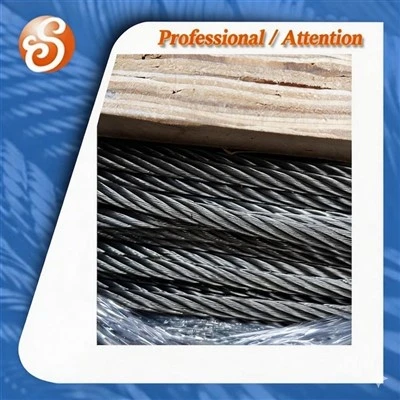
If you’re in the market for a reliable multi leg wire rope sling, or you have questions about transporting the ones you already have, hit us up to chat. We don’t do hard sells—we’ve been in this industry long enough to know that trust matters more than anything.
Steel Wire Rope References:
- OSHA Standard 1910.184, Slings – Wire Rope
- Wire Rope Sling Manufacturers Association (WRSMA) Best Practices for Sling Transport and Handling
- American Society of Mechanical Engineers (ASME) B30.9, Safety Standard for Slings
Nantong Shenwei Steel Wire Rope Co., Ltd.
Nantong Shenwei Steel Wire Rope Co., Ltd. is well-known as one of the leading multi leg wire rope sling manufacturers and suppliers in China since 1994. Our factory offers high quality multi leg wire rope sling made in China with competitive price. Welcome to contact us for quotation.
Address: No.1709, Zhangjiang Road, Nantong Economic Development Zone, Nantong City, Jiangsu, China
E-mail: nt@sw-steelwirerope.com
WebSite: https://www.shenwei-steelwirerope.com/
