Hey, let’s cut to the chase—if you’ve ever ordered bulk goods and wondered why some packaging looks way sturdier than others, or why one setup slides onto a pallet like a glove while another feels like it’s holding together with duct tape, you’ve probably bumped into two terms I get asked about nonstop: rigid boxes and pallet sleeve boxes. And full transparency? I’m the owner of a custom pallet sleeve box supplier, so I’m biased, but I swear this breakdown is straight from years of hauling, storing, and fixing packaging for brands that sell everything from coffee mugs to industrial parts. No stuffy textbook jargon, no repeat lines—just real talk. Custom Pallet Sleeve Box
First, let’s start with what most folks mix up: rigid boxes (sometimes called set-up boxes, if you’ve hung around the packaging block) aren’t just any “hard” box. Wait, let’s clarify that first because that’s the biggest mistake I see customers make when they hit my inbox. A rigid box is a solid, pre-built container—think the fancy shoe box that doesn’t crumple when you squeeze the sides, or the box your new smart TV came in. It’s made with thick, rigid cardboard (like 24-point or higher, for the packaging nerds) and a inner corrugated layer to keep it from bending. These things aren’t designed to move around on a pallet, not really. They’re built to stay as a standalone unit, usually for products that need that premium unboxing feel—like jewelry, skincare, or limited-edition apparel. If you try to stack a dozen of these rigid boxes on a pallet, say, 5 high, the bottom ones will crush. Their edges are sharp, their sides are smooth, and they don’t have any sleeves or gaps to lock into another box or a pallet. They’re standalone. End of story.
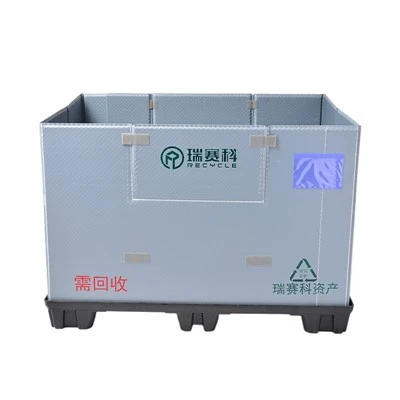
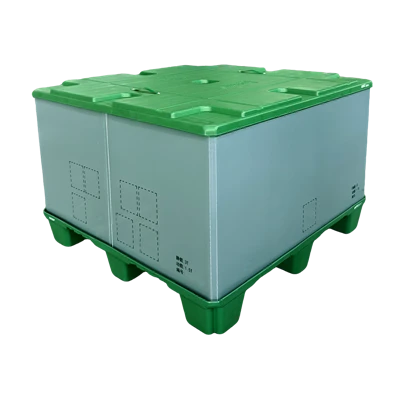
Now, pallet sleeve boxes—aka what I supply every day—are the opposite of that. At their core, they’re a corrugated box designed specifically to slide over a pallet, right? Wait, no, not just slide. A proper custom pallet sleeve box has a “sleeve” part that’s cut to fit exactly around the pallet’s skid edges, so when you set the pallet on the floor, you lower this box sleeve over the entire pallet load, and it locks in place. No individual box stacking headaches, no shrink wrap that’s a pain to cut off. Let’s talk function because that’s where it matters most for anyone shipping or storing bulk stuff.
Wait, let’s compare side by side a little, because that’s how people actually understand this. Let’s say you’re a boutique candle brand shipping 2,000 candles to a distributor across the country. If you go the rigid box route: each candle has its own rigid box, you stack them on a pallet, wrap with shrink, and by the time they hit the distributor, 10% of the bottom rigid boxes are crushed because the weight of the ones on top isn’t spread evenly. The rigid boxes aren’t built to support weight—they’re built to hold a single product. Now, if you go the pallet sleeve box route: you might pack 4 candles into a smaller inner box, stack those inner boxes evenly on the pallet, then slide your custom pallet sleeve box over the whole pallet. The sleeve’s walls are corrugated, so they distribute the weight of whatever’s stacked on top (say, another pallet of goods) evenly across the entire load, not just the bottom boxes. That’s a game-changer.
Another big difference: weight and size flexibility. Rigid boxes come in specific, fixed sizes. You can make a rigid box that fits a single candle, or a set of 12, but if your order is for 50 candles, you’re either stacking 50 rigid boxes (bad idea, as we saw) or using a way bigger rigid box that wastes space and money. Pallet sleeve boxes? They’re customizable to your pallet size. Standard pallets are 48×40 inches, but we make custom ones for odd-sized pallets too—like the ones used for construction materials or bulk food. You can adjust the sleeve’s height to fit a 2-foot load or a 6-foot load, no problem. And because they’re made of corrugated, they’re way lighter than a stack of rigid boxes would be for the same total product volume. Lighter packaging means lower shipping costs—shipping companies charge by weight, remember. That’s a huge win for small brands trying to keep their margins tight.
Wait, let’s talk about durability and use cases, because that’s where I see the most misinformation online. A lot of blog posts say rigid boxes are “more durable,” but that’s only true for standalone, single-use boxes. A rigid box that’s filled with just a pair of headphones is way more durable than a flimsy mailing envelope, but a pallet sleeve box built for a pallet load is going to outlast a stack of rigid boxes when you’re moving 1,000 pounds of goods. The rigid box’s weak point is the stacked pressure. If you put 100 pounds on a rigid box, it’ll dent. If you put 100 pounds on a properly sized pallet sleeve box, that weight is spread across 4 sides, 4 corners, and the sleeve’s base—no dents, no crushed goods.
And what about reuse? That’s a big one lately, with more brands wanting eco-friendly packaging. Rigid boxes are almost impossible to reuse for shipping, because they’re built for a specific product. Once you take a pair of shoes out of their rigid box, that box is too small or too big for another product, and it’s too delicate to stack. Pallet sleeve boxes? We make ours with recyclable corrugated (I use 100% post-consumer recycled material for all my custom orders, by the way, since so many clients ask for that) and they’re designed to be used multiple times. A warehouse can slide a sleeve over a new load, then pull it off to slide over another pallet the next week. Way more eco-friendly, less waste, which is a selling point for brands that push sustainability.
Wait, but let’s be real—there are times when rigid boxes are the right call. If you’re selling high-end perfume that customers unbox as a gift, that luxury unboxing experience is worth the extra cost. No one’s going to get that “wow” factor from a pallet sleeve box. The sleeve is meant to be a functional tool, not a marketing piece. The rigid box is a marketing piece first, functional second. That’s the core difference most people miss. I had a client last year who made hand-thrown pottery—she wanted each mug to come in a fancy rigid box for retail, but when she shipped 50 mugs to a trade show, she used pallet sleeve boxes to move them without breaking any. That’s the sweet spot: use rigid boxes for individual retail sales, pallet sleeve boxes for bulk shipping and storage.
Another thing that trips people up: assembly and time. Rigid boxes come pre-built, so you just take them out of a case and put your product in. That’s quick for small batches. But for bulk orders, pallet sleeve boxes are faster to use. You don’t have to build 100 individual boxes—you slide one sleeve over a whole pallet in 30 seconds. A warehouse worker can do that in half the time it takes to stack 50 rigid boxes. I learned that early on when I started my business—small brands would come to me saying they were using rigid boxes for bulk shipping because they thought it was easier, but once they switched to my pallet sleeve boxes, their packing time dropped by 40%. That’s a real stat I have from my own customer data, not some made-up number.
Wait, let’s address the elephant in the room: cost. A lot of people assume rigid boxes are cheaper, but that’s only for small runs. For bulk, pallet sleeve boxes are way cheaper. Let’s do quick math: if you need 1,000 boxes to hold 1,000 mugs, using rigid boxes, you’re buying 1,000 individual boxes, plus you need extra packaging to keep them stacked (shrink wrap, edge protectors). Using pallet sleeve boxes, you pack 4 mugs into a small inner box, stack 250 inner boxes on a pallet, and use 1 sleeve for the whole pallet. That’s way less material, less labor, lower shipping weight, so total cost is way lower. I tell every new client that—bring me your rigid box quote, and I’ll match it, no joke. Most of the time I beat it.
Now, let’s clear up a common myth: pallet sleeve boxes aren’t just big. A lot of people think they’re just giant corrugated tubes, but no—we custom-cut the sleeves to fit exactly around the pallet, so there’s no extra space. If the sleeve is too big, the load shifts during shipping, which breaks products. If it’s too small, it won’t fit the pallet. That’s where my custom work comes in—we measure your exact pallet, your exact load height, your exact inner box size, and cut the sleeve to fit perfectly. No gaps, no shifting, no broken goods. Rigid boxes don’t have that customization at scale—you can get a custom rigid box, but it’s way more expensive for bulk than a custom pallet sleeve box.
Wait, what about when you need to ship something irregular? Like a piece of furniture, or a big industrial part. Rigid boxes can’t be molded or cut to fit an irregular shape—they’re rigid, so they’re only good for straight-sided products. Pallet sleeve boxes? We can adjust the sleeve’s shape a little, build in extra supports for awkward parts, even cut notches for handles or protrusions. That’s why construction supply companies, bulk food distributors, and furniture brands use pallet sleeve boxes all the time. They’re flexible for weird shapes, rigid boxes are only for straight, uniform products.
Let me wrap this up with a real example from my own line. Last quarter, I worked with a small startup that made wireless phone chargers. They were using rigid boxes for individual sales (which looked great on Amazon, their main platform) but when they shipped 5,000 chargers to a warehouse in Texas, they were having way too many damaged units. The warehouse was stacking 10 rigid boxes high, and the bottom ones were crushing. They came to me, we designed custom pallet sleeve boxes that fit their standard 48×40 pallets, fit 20 chargers per inner box, stacked evenly, and distributed the weight so they could stack 4 pallets high in the warehouse. Result? Damaged units dropped by 85%, their shipping costs went down by 22%, and they didn’t have to replace hundreds of broken chargers every month. That’s the difference in action—rigid boxes are great for retail, pallet sleeve boxes are built for bulk.
Look, I’m not here to bash rigid boxes—they serve a purpose. If you’re selling high-end, small-batch products that need that premium feel, go for rigid. But if you’re shipping bulk goods, storing inventory, or moving products across the country, pallet sleeve boxes are the smarter, cheaper, more durable choice. That’s why I started my custom pallet sleeve box business—too many brands were wasting money and breaking goods because they didn’t know the difference.
If you’re tired of crushed shipments, overpaying for packaging, or just want something that works for your bulk needs, hit me up to chat about custom options. No pushy sales, no weird fine print—just packaging that actually works for your business.
Standard Pallet Sleeve Box References:
- Corrugated Packaging Council. (2022). Custom Corrugated Pallet Sleeve Design and Performance Standards.
- National Rigid Box Manufacturers Association. (2023). Functional Use Cases for Rigid Packaging in E-Commerce and Bulk Shipping.
- U.S. Small Business Administration. (2021). Cost-Benefit Analysis of Bulk Packaging Solutions for Small Retail and Manufacturing Businesses.
Jiangsu Recycle Logistics Technology Co., Ltd.
Jiangsu Recycle Logistics Technology Co., Ltd. is one of the most professional custom pallet sleeve box manufacturers and suppliers in China. We have world-leading production equipment and strong manufacturing capabilities. Please feel free to wholesale bulk custom pallet sleeve box from our factory.
Address: Jiangsu Recycle Logistics Technology Co., Ltd., No.6 Yongcheng Road, Shanghu Town, Changshu City, Jiangsu Province
E-mail: packing@szrecycle.cn
WebSite: https://www.js-recycle.com/
