What’s up, everyone? If you’ve ever taken a peek behind the walls of a building, stared at a garden hose hookup, or even messed with a leaky faucet, you’ve probably stumbled on a tiny but super important part: a brass pipe connector. I’ve been selling these for a minute now, and let me tell you—most people I talk to don’t know what they actually do beyond “connect pipes.” Today, I’m breaking it down plain and simple, no jargon, just real talk from someone who’s deep in the pipe connector game. Pipe Connector
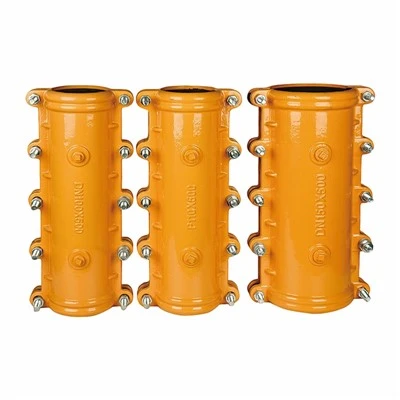
First off, let’s get the basics straight. A brass pipe connector is a small fitting made mostly from brass (that’s an alloy of copper and zinc, for the science nerds out there) that links two sections of pipe together. But it’s way more than just a glorified clip. These connectors aren’t one-size-fits-all—they come in tons of shapes and sizes, each made for a specific job. Need to turn a 90-degree corner for a drain? There’s a elbow connector. Want to split one pipe into two to feed a washing machine and a water heater? That’s a tee. They even make ones with threads, compression fittings, or slip ends depending on if you’re working with plastic, copper, or steel pipe.
Now, why brass specifically? I get it—there are other metals out there, like steel or PVC. But brass is kind of the MVP for most plumbing and fluid jobs. Let’s run through why that matters. First, it’s corrosion-resistant. If you’ve ever had a steel pipe rust out and clog a line, you know how big of a pain that is. Brass doesn’t react with water (even hard, mineral-heavy water) or most chemicals, so it won’t break down over time. That’s a huge deal for indoor plumbing, where you want something that’ll last 10, 20, even 50 years without leaking.
Second, brass is easy to work with. We machine these fittings in bulk, and brass cuts smoothly without getting too tough or too brittle. If you’re a DIYer fixing a leak under your sink, you can use a pipe wrench to tighten a brass connector without worrying about snapping it. It also seals really well—brass’s slight malleability lets it compress just enough when tightened to create a tight, leak-proof bond. That’s why so many plumbers swear by brass over plastic for high-pressure lines, like the main water supply to a house.
Wait, let’s not sleep on the other perks. Brass is naturally antimicrobial. Yeah, you heard that right—studies show brass kills bacteria like E. coli and salmonella on contact. That’s a big plus for potable water lines, which are the ones that carry drinking water to your taps. No weird chemicals leaching into your water, no gross bacteria growing inside the fitting. It’s also non-magnetic, so it won’t interfere with any electronic devices if you’re using it near wiring, which is a nice bonus for commercial setups.
But here’s the thing: not all brass pipe connectors are the same. A lot of new folks in the industry don’t know that brass has different grades. For example, red brass is higher in copper, so it’s extra corrosion-resistant but a bit pricier. Yellow brass, which is more common, has a little more zinc and is cheaper, which makes it great for residential jobs where you don’t need top-tier corrosion resistance. Then there’s lead-free brass, which is a must these days for drinking water lines. Most places have laws saying you can’t have more than a tiny amount of lead in plumbing fittings, so we only stock lead-free options for residential and food service jobs. Cut corners there, and you’re looking at health issues and even legal headaches—something I never want my customers to deal with.
Now, where do these connectors get used? Let’s think beyond home plumbing. They’re in industrial settings too—like factories, where they carry coolants, oils, or chemicals. Outdoor applications, like sprinkler systems or garden hose connections, because they can handle temperature swings and exposure to the elements way better than plastic. Even in RVs and boats, where space is tight and vibration can shake loose flimsy fittings. I’ve sold connectors for everything from a tiny ice maker line to a big commercial water treatment plant—they really are everywhere.
A common question I get: can I use a brass pipe connector for gas lines? Hmm, that’s a tricky one. Some brass fittings are approved for natural gas, but not all. You have to make sure the connector is rated for gas pressure and has the right seals. I always tell customers to check local codes or hire a pro for gas work—messing that up is no joke. For water lines, though? Brass is almost always the go-to.
Another thing people don’t realize: installing a brass pipe connector isn’t just screwing two pipes together wrong. If you overtighten it, you can strip the threads, which leads to leaks. If you use the wrong sealant, it might break down over time. I always give my customers a quick tip: use Teflon tape or pipe thread compound on threaded connectors to create a better seal. Don’t overdo it—wrap it clockwise three times, and you’re good. For compression fittings, make sure you cut the pipe straight, no burrs, before sliding in the olive and tightening the nut. Skip that, and you’ll be mopping up water an hour later.
Let me throw in a quick real-life example to make this concrete. Last month, a homeowner hit me up because their bathroom sink was leaking. They’d tried tightening the old plastic connector, but it kept dripping. Turns out, the plastic had become brittle from hot water, so the threads split. We sold them a lead-free brass elbow connector that fit their ½-inch pipe, and within an hour, the leak was gone. A week later, they left a review saying it’s been months, no issues. That’s why I do this—small parts like that make a huge difference.
Now, why choose a brass pipe connector over others? Like I said, PVC is cheap, but it can’t handle high pressure or extreme temps. Steel rusts if it’s not coated, and coated steel can flake into the water. Brass is the middle ground that checks all the boxes: durable, safe, long-lasting. It’s a little more expensive upfront, but way cheaper than calling a plumber to fix a leak every few years. That’s the value side—people who buy brass connectors save money in the long run.
I also want to talk about quality control. As a supplier, I don’t sell knockoff brass connectors. Some cheap brands mix in too much zinc, making the brass brittle, or skip the lead-free certification. Those might work for a little while, but they’ll fail. I test every batch of connectors we get—check the grade of brass, the thread tightness, the corrosion resistance. I’ve seen what bad fittings can do, so I make sure my customers only get the good stuff.
At the end of the day, brass pipe connectors are the unsung heroes of plumbing and piping systems. You don’t notice them until they leak, but when they do their job right, they’re there for decades. If you’re a homeowner doing a repair, a plumber looking to stock up, or a business needing fittings for a commercial project, I’ve got you covered. We carry all sizes, all grades, lead-free options, and even specialized connectors for hard-to-fit pipes.
If you’re looking to stock up for a job, need a custom size, or just have questions about what connector you need, hit me up. I’m here to help you pick the right part so you don’t have to deal with leaks or headaches down the line. No generic sales pitches, just straight talk from someone who’s been in the pipe game for years.
Double Socket Connector References:
- Plumbing-Heating-Cooling Contractors Association. (2022). Residential Plumbing Fitting Standards.
- International Code Council. (2023). IPC – International Plumbing Code, Chapter 7: Plumbing Fixtures and Equipment.
- Brass Development Association. (2021). Brass Alloys for Potable Water Applications.
- U.S. Environmental Protection Agency. (2020). Lead in Plumbing Products: Minimum Content Requirements.
Fujian Fufa Valve Manufacturing Co., Ltd.
As one of the most professional pipe connector manufacturers and suppliers in China, we’re featured by quality products and good price. Please rest assured to buy durable pipe connector made in China here from our factory. Welcome to view our website for more information.
Address: Meilin Xikou Industrial Zone, Nan’an City, Quanzhou City, Fujian Province
E-mail: hongwenjin@fufafamen.cn
WebSite: https://www.fufavalve.com/
