If you’ve ever shopped for architectural art, you’ve definitely come across bronze reliefs and solid bronze sculptures—you might’ve even mixed them up once or twice, and that’s totally fine. I’ve been running a Bronze Relief Mural supplier for almost a decade now, and I can’t tell you how many times a client will email me saying “we want a bronze sculpture for our lobby” only to describe a 10-foot wall panel that has no free-standing form to it. So today, let’s break this down like we chat over coffee, no stuffy art textbooks or jargon that makes your eyes glaze over. Bronze Relief Mural
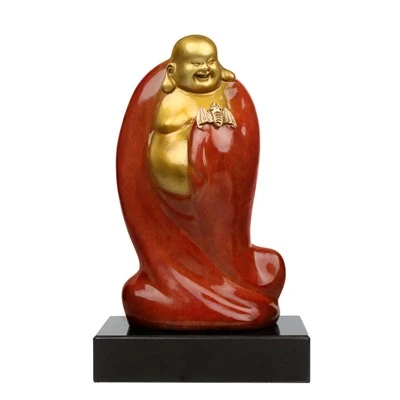
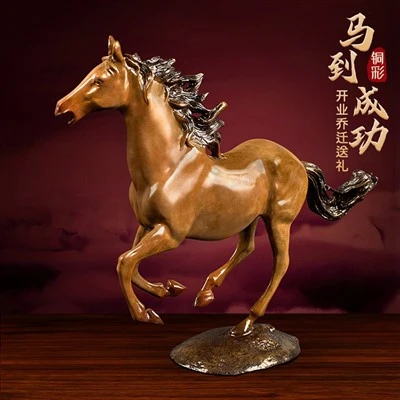
First, let’s start with the basics: what each term is, in plain language, not the “sculpture is three-dimensional art” line you’ll find on random art blogs. A bronze sculpture—think that life-sized horse statue in the park, the tiny bronze angel on your grandma’s mantle, the giant bronze fist outside the sports stadium—its whole deal is that it’s freestanding. It doesn’t attach to a wall, a floor, or any other surface except the base it stands on. You can walk all the way around it, touch every curve, every ridge, every dimple on its back if you wanted. It’s meant to be viewed from multiple angles, right? Change your position 180 degrees, and you get a totally different look.
Now, a bronze relief? That’s art that’s attached to a flat surface, usually a wall. The whole piece is basically a flat panel that has raised elements, but it’s not sticking out enough to be a freestanding thing. Let’s nail down the two main types of reliefs because that’s where most confusion happens: bas-relief (low relief) and high relief. Bas-relief is like when you press a shape into clay so only a little part sticks out—say, 1/8 of an inch or less. That’s the stuff you see on old coins, or the plaques that hang in hallways, or even the murals I make. High relief, though, has way more depth: like, parts might stick out an inch or more, and some elements might even be almost completely freestanding, but they’re still connected to the backing panel. So even the fanciest bronze relief never fully leaves the wall. Walk around it, and you’re just walking along the wall—you can’t get behind it, because it’s attached. That’s the core difference, the thing that separates them at the most basic level.
But wait, it’s not just about how they’re mounted. Let’s talk about use cases, because that’s where a lot of my clients figure out which one they need. A bronze sculpture is all about making a statement that’s bold and immersive. If you have a hotel lobby that’s 20 feet high, a freestanding bronze dragon or a life-sized bronze figure will draw people’s eyes immediately, make a focal point that feels like it’s part of the space, not just stuck to it. They’re also way easier to move around later, if you need to reconfigure your layout or relocate the art. I’ve had clients who bought a small bronze sculpture for their office, then moved it to their vacation home a year later—no problem, because it’s just a big solid (well, hollow, usually, to save cost) piece that fits on a pallet.
Bronze reliefs? They’re for when you want to add art without taking up floor space. That’s why I get so many requests from restaurants, corporate offices, and even historic buildings that can’t drill big holes for a sculpture base. A 8-foot by 12-foot bronze relief mural can turn a blank, boring conference room wall into a conversation piece, or line a hallway with small relief panels that tell a story—like, say, the history of your company, or local folklore. They also fit way better with existing architecture: if you have a 100-year-old brick wall, a bronze relief mounts right to it without messing with the structural integrity the way a heavy freestanding sculpture might. Plus, they’re usually more customizable for large areas—you can have a 30-foot long bronze relief that wraps around a lobby, which you could never do with a single solid bronze sculpture.
Let’s get into the nitty-gritty of how they’re made, too, because that affects cost and durability, which are big factors for most buyers. Both use the lost-wax casting method a lot—at least, that’s what I use for my murals, and most reputable bronze makers do. But because sculptures are freestanding, they need to be sturdier, so the casting process usually involves thicker bronze, sometimes with internal armatures (metal frames inside to keep them from bending) that add to the weight and cost. A small bronze figurine might cost $500, but a life-sized bronze figure could be $10,000 or more, depending on size.
Bronze reliefs, on the other hand, are thinner, because they’re flat against a wall. That makes them way more affordable for large projects. A 4×8 foot bronze mural might run a fraction of the cost of a similarly sized freestanding bronze sculpture. They also hold up really well—bronze is weather-resistant, so both can go outdoors, but I’ve had outdoor clients pick bronze reliefs for garden walls or facades because they’re less likely to tip over in wind, and easier to install without reinforcing the foundation like a sculpture would need.
Wait, but here’s a common mix-up: what’s a “relief sculpture”? A lot of people call bronze reliefs relief sculptures, which is kind of correct, because they are sculptures, just not freestanding ones. But the key is that when people refer to a “bronze sculpture,” they almost always mean freestanding. So if someone says “I want a bronze sculpture for my office wall,” they probably actually want a bronze relief mural, and I can walk them through that. I even had a client last month who insisted he wanted a bronze sculpture, showed me a pic of a wall-mounted plaque, and when I explained the difference, he ended up going with a 10-foot bronze relief that told the story of his family’s company—way more impactful for his clients than a random freestanding statue would’ve been.
Another thing: accessibility. If you’re installing art in a space that’s for people with disabilities, freestanding sculptures can be tripping hazards, especially if they’re low to the ground. Bronze reliefs mount flush to the wall, so they don’t create a barrier, which is a big plus for hospitals, schools, and public buildings. I’ve worked with several school districts that requested bronze reliefs for their hallways specifically because they’re safer for kids running around, and still give the artistic feel the district wanted.
Let’s also address durability and maintenance, because that’s something I get asked about a lot. Both bronze reliefs and bronze sculptures will patina over time—that’s that rich, dark brown or greenish finish that makes bronze look old and weathered, which a lot of people love. But freestanding sculptures are exposed to more dirt, grime, and maybe even vandalism, so they need more regular cleaning—once or twice a year, depending on where they’re located. Bronze reliefs, being on the wall, just need a quick wipe down with a soft cloth every few months, which is way easier for busy property managers.
Now, I know a lot of you are probably wondering “when should I pick one over the other?” Let’s break that down quick. Pick a bronze sculpture if: you have extra floor space, want a bold focal point, plan to move it later, or need something that’s versatile for multiple uses. Pick a bronze relief mural if: you want to save floor space, cover a large wall or area, work with existing architecture, stay on a budget, or need a safe, low-maintenance option for public spaces.
And let’s be real—there’s no right or wrong choice. I’ve done beautiful life-sized bronze sculptures for private estates, and massive bronze relief murals for international corporations, both of which turned out amazing. It just comes down to what your space needs, and what vibe you’re going for.
If you’re still unsure, don’t stress! I’ve helped hundreds of clients narrow it down over the years—just send me a pic of the space you want to install art in, tell me what you’re hoping the art will do (like, “impress our clients” or “honor our team’s history”), and we can work out the details. No pressure, no weird sales tactics, just honest advice from someone who’s been making and installing these pieces for almost a decade. We can customize the size, the design, the finish—whatever you need, it doesn’t have to be a one-size-fits-all thing.
So if you’re ready to chat through your project, just reach out. Whether you’re looking for a small bronze relief for your home, a large mural for your business, or even a comparison to make sure you’re picking the right fit, I’m here to help. No confusing jargon, no hidden fees, just straight talk about bronze art that works for your space.
Souvenir Bronze Statue References:
- Berman, A. (2019). A Field Guide to Western Sculpture Terms. Princeton University Press.
- Smith, L. (2021). Architectural Metalwork: Bronze Applications in Public Spaces. Journal of Building Materials and Art Conservation.
- The Foundry Practice Guide. (2022). Lost-Wax Casting for Bronze Murals and Sculptures. International Sculpture Association.
Huizhou Hexin Intelligent Manufacturing Industrial Co., Ltd.
Huizhou Hexin Intelligent Manufacturing Industrial Co., Ltd. is one of the most professional bronze relief mural manufacturers and suppliers in China. Please feel free to buy the newest bronze relief mural made in China here and get pricelist from our factory. All customized products are with high quality and competitive price.
Address: No. 31, Second Industrial Zone, Nankeng Village, Xinxu Town, Huiyang District, Huizhou City, Guangdong Province, P.R.China
E-mail: hztbjr@126.com
WebSite: https://www.bronzehexin.com/
