When you run a painting plastic auto trim supplier, every day brings calls from body shops, fleet managers, and even do-it-yourselfers who’ve pulled up a faded dashboard trim piece or scuffed side molding and ask the same question: “Which paint brand works best on plastic auto trim?” At first, I thought it was a simple query—most people assume any automotive paint will stick. But after 12 years in this business, I’ve seen what happens when someone grabs the wrong can: paint peeling off a side mirror a week after installation, dashboard trim cracking in the Texas sun, or door trim bubbling up right before a customer hits the road. It’s not about picking the biggest or most well-known brand. It’s about understanding how plastic behaves, what your trim piece is made of, and how a paint brand’s specific formulations are designed to work with that exact material. Today, I want to walk you through the factors I tell every client to weigh, plus the common pitfalls that trip people up—all from the perspective of someone who’s shipped over 15,000 painted plastic trim pieces and fixed way more mistakes than I can count. Painting Plastic Auto Trim
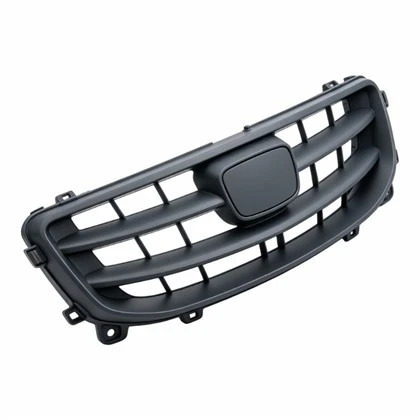
First, you have to stop thinking of plastic as a single material. That’s the biggest mistake I see new suppliers or even first-time customers make. Auto manufacturers use different plastics for different trim parts, each with unique chemical properties that determine how paint adheres. Dashboard trim is almost always made of polypropylene, a flexible, lightweight plastic that’s used in 25% of a modern car’s interior parts alone. Side mirror housings and exterior door trim are often ABS (acrylonitrile butadiene styrene), which is stiffer and more impact-resistant. Bumper trim might be a blend of polypropylene and EPDM rubber, which is extra flexible to withstand small impacts. Each of these plastics repels paint differently—polypropylene, for example, has a low surface energy that makes it hard for paint to “grab on” without a special primer, while ABS is more porous but can be damaged if the wrong primer is used.
This is where paint brand specificity comes into play. Not all automotive trim paints are formulated to work with every plastic type. Years ago, I worked with a body shop that used a national brand’s general-purpose acrylic paint on polypropylene dashboard trim. Within three weeks, 80% of those trim pieces came back to us with peeling paint. The problem? That brand’s “plastic-safe” line was actually only tested for ABS and some PVC, not the low-surface-energy polypropylene common in newer interior parts. Once we switched to a brand that explicitly markets a polypropylene-specific base coat—complete with a adhesion-promoting primer formulated for that exact plastic type—peeling dropped to less than 1% on interior trim pieces. That’s the first rule: don’t trust a brand’s generic “works on plastic” claim. Ask for product data sheets that list the specific plastics the paint system is engineered to bond with. A reputable brand won’t shy away from sharing that detail; if they can’t, it’s a red flag.
Next, look at the brand’s resistance properties, especially if you’re working on exterior trim. Exterior trim is exposed to everything: UV rays that cause paint to fade, road salt that eats away at coatings, car wash chemicals that strip weak formulations, and temperature swings that make plastic expand and contract. I once had a client who used a discount paint brand for side mirror trim on a fleet of delivery trucks. Within six months, the trim pieces in the southern U.S. had faded so badly they had to be replaced. The cheap brand’s paint system had no UV stabilizers, so it broke down after just a few months of direct sun. Reputable paint brands for automotive trim invest in UV inhibitors, flexible resin binders, and chemical resistance agents specifically for exterior automotive use. For example, a brand that tests its trim paints in accelerated weathering chambers (mimicking 5 years of sun and temperature in 1000 hours) is going to perform way better than one that doesn’t.
Flexibility is another non-negotiable, especially for parts that move or bend. Door trim, for example, vibrates as the car drives down the road, and over time, that flex makes rigid paint crack. A good paint brand for plastic trim will have a flexible resin system that moves with the plastic. I learned this lesson hard when a new client brought us trim pieces that had cracked paint after just a month of use. The brand they’d used had a very high gloss finish, but the paint was too brittle—designed for hard metal panels, not flexible plastic. When we switched to a brand that advertises “elasticity for plastic substrates,” the cracked paint problem vanished. How do you verify this? Ask for the paint’s elongation rating, which measures how much it can stretch before breaking. A trim paint should have an elongation rating of at least 20%—that means it can move with the plastic without splitting. If a brand doesn’t list that number, or their elongation is below 15%, they’re not a good fit.
Surface prep is half the battle, but the paint brand’s guidelines for prep matter too. Even the best paint system will fail if you sand the plastic wrong or skip the right cleaning step. But some brands are more flexible when it comes to prep, which is a big help for small suppliers or body shops that don’t have a huge prep setup. For example, a premium brand might require you to sand the plastic with 220-grit sandpaper and use a specific isopropyl alcohol mix to clean, while another brand might work with 320-grit sandpaper and a simple wax and grease remover, which cuts down on time and supplies. I always recommend brands that offer clear, tiered prep guidelines—ones that work for both large-scale production and small batches. I’ve seen too many shops spend hours on prep only to find their paint brand requires a step they don’t have the equipment for, which leads to wasted parts and money.
Now, let’s talk about hidden factors that only come with experience with a brand. Price is always a consideration, but it’s rarely the deciding factor. I once worked with a supplier that tried to switch to a 20% cheaper paint brand to cut costs. The result? They had to rework 30% of their shipments because of poor adhesion, which ended up costing them three times more in rework and lost clients than the initial savings. That said, some mid-tier brands offer great performance at a reasonable price, while luxury brands might charge more for features you don’t need—like paint formulated for commercial airplane plastic, which is overkill for car trim. A lot of this comes down to volume too: if you’re ordering 50 trim pieces a month, a brand with smaller, ready-to-use paint kits might be more cost-effective than one that requires mixing gallons of base coat. But if you’re ordering 500 or more, a bulk paint brand could save you money without sacrificing quality.
Warranty and support are also part of choosing the right brand. When you’re working with plastic trim, something will go wrong eventually—maybe a batch of plastic has a hidden chemical residue that ruins the paint, or a shop applies it wrong. A good paint brand will stand behind their product, offering technical support to help troubleshoot issues and warranty for defective parts. I’ve had clients call me at 8 a.m. panicking because their paint is peeling, and I can tell them to contact the brand’s technical team, who’ll walk them through a quick fix. Once, a brand even sent a representative to our facility to test a new plastic blend we were using, which saved us months of testing and a lot of wasted parts. A brand that only offers a generic “satisfaction guarantee” is not nearly as valuable as one that provides hands-on support, especially if you’re new to painting plastic trim.
Let’s go through a real-world example of how this works. Last year, a regional body shop came to us with a problem: they were painting dashboard trim for 20 different car models, each with different plastic types, and their current paint brand was failing for every single one. They tried a national brand’s “universal plastic paint” on polypropylene dash trim, which peeled; another brand’s ABS-specific paint cracked on a newer blend of plastic; and a discount brand’s paint faded in 3 months on exterior mirror trim. We walked them through testing three brands that we’ve used for years. We tested Brand A, which had polypropylene, ABS, and flexible plastic formulations, for their dashboard trim. We tested Brand B, which specialized in UV-resistant exterior trim paints, for their mirror and side molding. And we tested Brand C, which offered a simpler system for small batches, for the occasional custom trim piece. Six months later, they report that their paint failure rate dropped from 18% to less than 1%, and they’ve since referred three other shops to us. That’s exactly how I recommend clients approach choosing a paint brand: test small batches first, don’t jump on the cheapest option, and look for brands that match your specific trim types and needs.
I want to be clear: no paint brand is perfect for every situation. The “best” brand for painting plastic auto trim is the one that matches your exact materials, your production volume, and your quality needs. It’s not the brand with the most ads on car forums, or the one that your buddy at another shop uses. It’s the one that will stick to your polypropylene dash trim for 10 years, flex with your side mirror trim through thousands of door openings, and hold up through a Michigan winter and a Florida summer.

If you’re a body shop, fleet manager, or fellow painting plastic auto trim supplier, I know you have questions. Maybe you’re dealing with a trim piece that’s peeling, or you’re looking to switch brands to lower your failure rate. We work with dozens of trusted paint brands, and we can help you test small batches to find the right fit for your needs. Reach out to our team to discuss your specific trim projects, and we’ll walk you through the exact paint systems that have worked for clients with the same materials and challenges you’re facing. Let’s build a system that keeps your trim pieces looking great for years to come, no more peeling, fading, or wasted work.
Rear Spoiler Systems References
- Automotive Industries Association. (2022). Plastic Substrates in Modern Vehicle Trim: Composition and Performance Requirements.
- Paint Quality Institute. (2021). Adhesion Performance of Automotive Coatings on Polypropylene, ABS, and EPDM Plastics.
- Society of Automotive Engineers. (2020). Standard Test Methods for Flexibility and UV Resistance of Exterior Automotive Trim Coatings.
- National Auto Body Council. (2023). Best Practices for Selecting and Applying Trim Paints for Plastic Automotive Components.
Hebei Xiujie Auto Parts Co., Ltd.
As one of the most professional painting plastic auto trim manufacturers and suppliers in China, we have world-leading production equipment and strong manufacturing capabilities. Please feel free to wholesale bulk customized painting plastic auto trim from our factory. Contact us for quotation and free sample.
Address: Industrial New Area, Wen’an County, Langfang City, Hebei Province (State-run Xiaowu Farm)
E-mail: runtaoli87@gmail.com
WebSite: https://www.xiujie-cn.com/
