When I first started working in offset paper supply over a decade ago, a common question I heard from magazine publishers was, “Can offset paper really work for high-quality print magazines?” At the time, many in the industry were shifting to digital or specialty coated papers, so it was easy to assume offset paper had fallen out of relevance for magazines. Today, as we navigate changes in print media—from smaller print runs to a growing demand for tactile, physical publications—offset paper has emerged as a versatile, cost-effective option that often outperforms its reputation. As someone who’s spent years matching the right paper to a publisher’s vision, I want to break down exactly how offset paper works for magazines, why it’s still a smart choice, and what to consider if you’re thinking about making the switch. Offset Paper

First, let’s clarify what offset paper is. Unlike coated papers (which have a mineral or polymer layer on the surface to hold ink sharply) or uncoated text paper, offset paper is a versatile category of wood-based paper designed specifically for the offset lithography printing process. This method works by transferring an inked image from a metal plate to a rubber blanket, then onto the paper—so offset paper is engineered to absorb ink evenly without smudging, while also maintaining the right stiffness to feed smoothly through offset printing presses. For magazines, that balance is critical: a paper that’s too thin will wrinkle mid-printing, while one that’s too dense will make the magazine feel heavy and uninviting to hold.
For many magazine types, offset paper is not just usable—it’s the standard for good reason. Take trade magazines, for example, which serve niche audiences like healthcare, manufacturing, or agriculture. These publications often prioritize content over glossy, high-gloss visuals, and offset paper’s matte finish gives editorial content, in-depth articles, and technical diagrams a professional, readable feel that coated paper can sometimes overpower. I recently worked with a small agricultural magazine that switched from coated paper to our uncoated offset text paper; their print runs went up 18% because the cost savings let them expand their distribution to regional farm co-ops, and readers praised the paper’s soft texture that made long-form articles easier to digest on farm stands.
Consumer magazines, too, are finding success with offset paper. The key here is choosing the right grade of offset paper—we offer a range from 60 GSM lightweight stock for interior pages to 100 GSM medium-weight paper for covers, with options like silk finish offset (a subtle sheen, not the bold gloss of coated paper) for magazines that want a touch more vibrancy in feature photos. A lifestyle magazine focused on sustainable home goods switched to our FSC-certified uncoated offset paper last year; their sales increased because the natural, unbleached look of the paper aligned with their brand’s eco-friendly mission. Readers said the photos of reclaimed wood and linen textiles looked more authentic on offset paper than they ever did on glossy coated stock, which often washed out natural tones.
Of course, no paper is perfect, and offset paper has limitations that matter for magazine printing. The biggest one is ink coverage: offset paper absorbs ink more than coated paper, so images with heavy ink layers (like full-page photos with deep blacks or gradients) can have a slightly softer, less sharp finish. That’s not a flaw for every magazine, but it’s a consideration for publications that rely on high-resolution photography, like fashion or travel magazines. Another limitation is opacity: thinner offset paper can show through from the other side of the page, which is a problem for magazines with text-heavy spreads or two-page layouts. That’s why we always recommend a minimum 70 GSM for interior pages if you’re running a lot of two-page content, to avoid ghosting.
But here’s the thing: many of these perceived limitations are actually advantages when matched to the right magazine’s goals. Let’s talk about the tactile experience, which digital media can’t replicate, and offset paper excels at. Print magazine readers often cite the feel of the paper as a key reason they choose physical copies over digital ones. Offset paper’s matte, soft texture is less harsh on the hands than coated paper, making magazines more comfortable to flip through during long flights or quiet reading sessions. For specialty magazines, like art books or poetry journals, this tactile quality is central to the publication’s identity. We supplied an art history journal last year with our acid-free offset paper, and their editors told me that the paper’s ability to hold line drawings and watercolor reproductions softly, without glare, made each issue feel like a small art object in itself.
Cost is another major factor, and one that doesn’t get enough attention in discussions about print magazines. Offset paper is typically 15-30% less expensive than comparable coated paper, depending on the grade. For smaller publishers or those experimenting with new niche titles, that cost savings can be the difference between being able to afford a print run of 5,000 copies versus 10,000. I’ve worked with several startup magazines that used that extra budget to market their first issue, leading to higher circulation and long-term success. It’s important to note that this cost difference doesn’t mean lower quality—our offset paper is made with high-quality hardwood and softwood pulp, so it’s durable enough to be mailed, stacked on store shelves, and passed around by readers without tearing easily.
Sustainability is a topic every magazine publisher is grappling with right now, and offset paper is often a more eco-friendly choice than coated paper. Coated paper requires additional processing steps to add the surface layer, which uses more water and energy during manufacturing. Most offset paper, including the grades we supply, are FSC-certified (meaning they come from responsibly managed forests) or have recycled content. We also offer unbleached offset paper for publishers who want to reduce their environmental impact even further. A recent study from the Print Industries Association found that print publications using FSC-certified uncoated paper had a 22% higher brand loyalty rate among eco-conscious readers, which is a huge win for magazine publishers looking to build a loyal audience.
So, how do you choose the right offset paper for your magazine, if you’re considering it? First, start with your audience and brand identity. If your magazine is niche, text-heavy, or focused on sustainability, uncoated offset paper is a great place to start. If you want a subtle boost in photo vibrancy, our silk finish offset paper adds a mild sheen without the glare of gloss coated. For covers, we recommend a 120-150 GSM offset cover paper, which is stiff enough to withstand being handled in stores and mailers, while still feeling sturdy rather than rigid.
Next, talk to your printer. Offset printing presses are designed to work with offset paper, but the specific grade of paper can affect press run time and cost. Your printer will know which GSM and finish works best for their equipment, and can help you test a small press run before committing to a large order. At our company, we offer free sample packs of our offset paper grades, so publishers can run their own small test prints to see how the ink looks, how the paper feels, and if it works with their printer’s setup.
I’ve seen too many publishers dismiss offset paper because they assume it’s “cheap” or “low quality,” but that’s a outdated perception. The magazine industry is shifting away from the one-size-fits-all glossy model of the 2000s, and readers are looking for magazines that feel personal, authentic, and sustainable—all things offset paper delivers. A few months ago, I visited a local independent bookstore that had just switched its in-store magazine display to feature magazines printed on offset paper. The owner told me those titles were flying off the shelves, because customers were commenting on how “warm” and “readable” they felt compared to the glossy ones. That’s the power of offset paper: it’s not just a printing substrate, it’s a way to bring your magazine’s brand to life in a physical, tangible way.
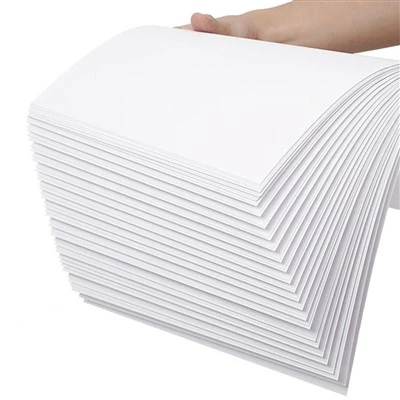
If you’re a magazine publisher thinking about making the switch to offset paper, or you just want to learn more about how it can work for your specific publication, I’m here to help. As an offset paper supplier, I’ve worked with everything from small startup magazines to large trade publications, and I can help you find the right grade, finish, and GSM to match your vision. Whether you need a sample pack to test, advice on press compatibility, or a quote for your next print run, feel free to reach out to arrange a time to discuss your needs.
Specialty Paper References
- Print Industries Association. (2023). "Sustainability Metrics for Print Publications."
- Offset Lithography Technical Manual. (2022). International Paper Association.
- Magazine Audience Trends Report. (2024). Pew Research Center.
Dongguan Banyan Material Co., Ltd.
We are one of the most experienced offset paper manufacturers and suppliers in China, also support customized service. Please feel free to wholesale bulk eco-friendly offset paper from our factory. Quality products and reasonable price are available.
Address: NO.167, Meijing West Road, Songmushan, Dalang Town, Dongguan City, Guangdong Province, China
E-mail: Sales_chris@yspaper.com
WebSite: https://www.paperyoung.com/
