If you’ve ever spent a dawn on the water, waiting for a bite while watching other anglers reel in striped bass or spotty sea bass nearby, you know that local intel can make or break a fishing trip. That’s where a marine radio comes in—not just as a safety tool, but as your most reliable companion on the water, way more consistent than spotty cell service or expensive satellite messengers. As someone who’s spent over a decade working with anglers to pick, use, and maintain marine radios, I’ve seen firsthand how a quick call to a nearby boater can let you move to a school of tuna before they’re gone, or alert everyone to a sudden weather shift that your phone’s weather app never picked up. This post isn’t just about technical specs; it’s about practical, on-the-water stuff that works for weekend anglers and charter captains alike, and how to get the most out of your marine radio for fishing. Marine Radio

First, let’s start with the basics that many new anglers skip, because cutting corners here leads to headaches on the water. Marine radios work on Very High Frequency (VHF) bands, and that’s not a random quirk—VHF signals travel in straight lines, so they cut through air much better than the UHF bands used for walkie-talkies, especially over open water. For fishing, that means you can talk to a boater 10 or 15 miles away if you’re on a clear day, which is enough to cover most inshore fishing spots and even some offshore reefs. The first rule I always tell new users: get your license. It’s free in most countries (like the US, where the FCC issues a Station License for recreational vessels, or the UK’s Ship Radio Station License, which is also free for non-commercial use) and takes 10 minutes to fill out online. I’ve had anglers come to our shop frustrated because they tried broadcasting without a license and got hit with a fine—don’t be that person. This isn’t just a formality; it keeps the airwaves clear for safety calls, which are the #1 job of marine radios.
Next, picking the right radio for fishing. A lot of anglers ask me, “Do I need the expensive one?” and the answer is: not unless you’re running a charter boat or fishing 30+ miles offshore. For most weekend anglers fishing inshore (bays, sounds, nearshore reefs up to 20 miles out), a 25-watt fixed-mount radio is perfect. It’s tough, has a big screen you can see in bright sun, and pairs easily with an external antenna that makes a huge difference in range. If you fish from a small boat, like a center console or a inflatable, a portable handheld (VHF) radio is non-negotiable for when you’re anchoring off or heading to the beach to check a spot. The key here is to make sure it’s submersible—IPX7 or higher, so it can handle getting dropped in the water or splashed nonstop. Avoid cheap no-name portables; I’ve had customers bring in units that died after one saltwater splash, even though they said they were “waterproof.” The marine-grade units we supply have tested for 10 minutes at 1 meter depth, and that’s the kind you want.
Now, the part that most anglers never learn: how to use the channels for fishing, because if you’re on the wrong channel, you’ll never hear the intel you need. The US Coast Guard (and most global maritime authorities) reserve Channel 16 for emergency calls only. That means no talking about fishing spots, no asking where the bite is—save Channel 16 for Maydays, pan-pans (urgent safety), or calling another boater to switch to a working channel. For fishing, Channel 68 is the big one for recreational anglers on the East Coast, and Channel 71 is used for some inshore activity too; on the West Coast, Channel 72 is popular for recreational fishing chats. The best part? These channels are monitored by other local anglers, so if you’re quiet and respectful, you’ll hear real-time updates: “Striped bass are hitting on the north side of the jetties at high tide” or “Watch for a small squall moving through the bay at 10am.” I always tell new users to listen for 10 minutes before they start broadcasting. Every experienced angler has had a time where they jumped in too fast and interrupted a safety call or a commercial fisherman working a net—listen first, learn the flow.
Once you know the channels, the actual calls are simple, but they have a standard structure that keeps things clear for everyone. Let’s say you want to ask the boat anchored 1 mile away about the spot they’re fishing. The right call sounds like this: “Vessel name, this is angler Jane Doe on the 18ft Sea Skiff, over.” You don’t need to yell their full call sign—most local anglers use their boat name, and that’s enough. Then, when they respond, say something like, “Jane Doe, 18ft Sea Skiff, copy that. Quick question: how’s the bite over by the middle buoy, over?” Keep it short, no long stories—other anglers are there to fish, not listen to you recount your drive to the ramp. If you’re sharing intel, frame it the same way: “This is the charter boat Reel Lucky, fishing the wreck at 3 miles off Cape May. We’re pulling in mahi-mahi 20 feet down, over.” That structure works because everyone knows exactly who’s talking, what they want, and where to go. It’s also the same structure used by the Coast Guard, so it’s consistent for when you do need to call for help.
A huge mistake I see anglers make is not using the weather channels built into every marine radio. Most new radios have Weather Channel (WX) frequencies that broadcast real-time forecasts, severe weather alerts, and tide updates directly from the National Weather Service (or your local maritime weather authority). This isn’t the same as a phone app—when a thunderstorm is moving in fast, the weather radio will cut through whatever you’re listening to and blast an alert, even if your radio is on standby. Last summer, a regular customer of ours told me that he was fishing in the Gulf of Mexico, and his phone app said a storm was 3 hours away, but his marine radio’s WX channel alerted him that it was 20 minutes out. He was able to motor back to the ramp before the wind picked up, and he told me it saved his small boat from getting damaged. Make sure you set your radio to the local WX channel for your area—most radios have a scan function that can automatically find the strongest weather signal near you, so you don’t have to hunt for it.
For offshore anglers, marine radios are even more critical, because cell service is nonexistent once you’re 10 miles out. I supply a lot of offshore captains with fixed-mount radios that have a separate AIS (Automatic Identification System) receiver built in, which lets you see other boats on your screen, including commercial vessels that might be moving fast and can’t see your small fishing boat. A few months ago, an offshore angler came to our shop and told us that his AIS alert went off right as he was about to drop his lines, and it warned him that a 100-foot cargo ship was heading straight for his spot. He was able to radio the ship’s bridge to let them know there were small fishing boats nearby, and they adjusted course. That’s the kind of safety feature you can’t get with any other device, and it’s become standard on the radios we recommend for offshore fishing.
Maintenance is something that anglers overlook until their radio dies mid-trip. Saltwater is the enemy here, so after every fishing trip, rinse your radio (whether fixed or handheld) with fresh water, especially the antenna base and the microphone. For handhelds, take out the battery pack and wipe it down with a dry cloth—salt residue can corrode the contacts and make the unit die when you need it most. Every year, check your fixed-mount antenna: make sure the cable connections are tight, and inspect the antenna for cracks or frayed wires. A loose antenna can cut your range in half, which means you won’t hear a distress call or an important fishing update. We offer free annual maintenance checks for the radios we supply, because we’ve seen too many anglers get stranded because they skipped this step.
Now, let’s talk about unwritten rules—because fishing communities are tight-knit, and following these rules will get you respect and better intel. First, never monopolize a fishing channel. If two anglers are talking about a bite, don’t jump in with another question until they’re done. Second, if you get useful intel from another boater, pass it on to someone else. That’s how the community works—someone helped you, now you help the next person. Third, never use Channel 16 for anything but emergencies. I can’t tell you how many times I’ve heard a new angler call, “Hey boat at the north jetty, channel 16 for a sec!” That’s rude, and it clogs the line that emergency services rely on. If you need to reach a boater on Channel 16, say: “Vessel name, this is angler Jane Doe on Sea Skiff, Channel 17 for a non-emergency call, over.” They’ll switch to a working channel, and you won’t disrupt anyone.
I’ve been in this industry for 12 years, and I’ve seen marine radios go from bulky, hard-to-use units to sleek, user-friendly tools that every angler should carry. But even with all the new tech, the core of it is still connecting with other people on the water. I remember a time when I was fishing with my dad, and we were stuck in a fog, not sure where the channel marker was. A commercial fisherman picked us up on the radio, guided us in, and even shared a cooler of his catch with us when we got back to the ramp. That’s the kind of thing a marine radio does—it turns a day of fishing into a community, and that’s something no app or satellite messenger can replicate.
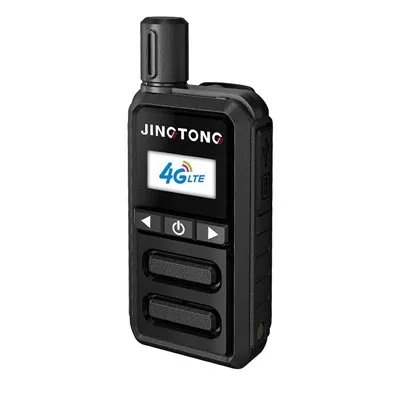
If you’re a new angler looking to pick your first marine radio, or an old hand looking to upgrade, we’ve got units for every budget and every type of fishing—from small bay boats to offshore charter vessels. We offer free consultations to help you pick the right radio for your needs, and we stock all the accessories you need, from antennas to maintenance kits, to keep your radio working trip after trip. If you’re ready to get set up so you never miss a fishing update or an important safety alert again, reach out to us to discuss your specific requirements and get the right marine radio for your fishing adventures.
Marine Radio References
- U.S. Federal Communications Commission. (2024). Marine Radio Licensing and Operation Rules.
- National Oceanic and Atmospheric Administration. (2024). Marine Weather Radio Programming Guide.
- International Maritime Organization. (2023). VHF Marine Radio Channel Allocations for Recreational Use.
- American Boat and Yacht Council. (2022). Marine Radio Installation and Maintenance Standards.
Jingtong (Quanzhou) Electronics Co., Ltd.
We are one of the most professional marine radio manufacturers and suppliers in China, specialized in providing high quality customized service. We warmly welcome you to buy durable marine radio made in China here from our factory. For price consultation, contact us.
Address: No.288, Si Huang Industry Zone, Xia Mei Town, Nan An, Quanzhou, Fujian province, China 362302
E-mail: jtdjj@jtdjj.com
WebSite: https://www.jteradio.com/
