Hey there! As a supplier of vertical autoclaves, I often get asked about the pressure release rate of these machines. So, let’s dive right into it and break down what the pressure release rate of a vertical autoclave is all about. Vertical Autoclave
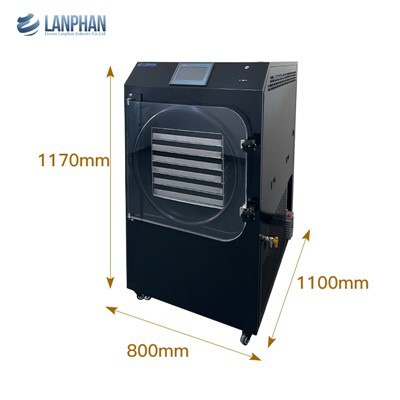
First off, what’s a vertical autoclave? Well, it’s a piece of equipment used in a bunch of industries, like healthcare, laboratories, and food processing. It uses steam under pressure to sterilize stuff, killing off bacteria, viruses, and other nasties. The pressure inside the autoclave is a key factor in making sure the sterilization process works well.
Now, the pressure release rate is how fast the pressure inside the autoclave drops after the sterilization cycle is done. It’s a super important aspect because it can affect both the safety of the operators and the quality of the sterilized items.
Why does the pressure release rate matter? For starters, if the pressure drops too quickly, it can cause all sorts of problems. Take glassware, for example. A rapid pressure drop can create a big difference in pressure between the inside and outside of the glass, which might lead to the glass cracking or shattering. That’s not only a waste of your expensive lab equipment but also a safety hazard.
On the other hand, if the pressure release is too slow, it can extend the overall cycle time. This means you’re spending more time waiting for the autoclave to finish its job, which can be a real pain, especially in a busy lab where time is money.
So, what determines the pressure release rate of a vertical autoclave? There are a few factors at play here.
One of the main factors is the design of the autoclave itself. Different models have different valve systems and pressure control mechanisms. Some autoclaves are designed with adjustable pressure release valves, which allow you to control how fast the pressure drops. These valves can be set to release pressure gradually, minimizing the risk of damage to your items.
The size of the autoclave also matters. Larger autoclaves usually have more volume to fill with steam and more pressure to release. This means that the pressure release process might take longer compared to a smaller autoclave.
The type of load inside the autoclave can also affect the pressure release rate. If you’re sterilizing a dense load, like a stack of thick towels or a large piece of equipment, it can slow down the pressure release. The steam has a harder time escaping through the dense material, so the pressure drops at a slower pace.
Another factor is the temperature of the autoclave. As the autoclave cools down, the pressure inside naturally decreases. But if you want to speed up the pressure release, you might need to use some additional cooling methods, like a fan or a water cooling system.
Now, let’s talk about how to measure the pressure release rate. Most modern vertical autoclaves come with built – in pressure sensors that can monitor the pressure inside the chamber. These sensors can record the pressure changes over time, allowing you to calculate the pressure release rate. You can also use external pressure gauges to double – check the readings.
As a supplier, we understand the importance of getting the pressure release rate right. That’s why we offer a range of vertical autoclaves that are designed with advanced pressure control systems. Our autoclaves are equipped with precision valves that can be adjusted to achieve the optimal pressure release rate for your specific needs.
We also provide training and support to our customers. We’ll teach you how to operate the autoclave safely and how to adjust the pressure release settings. Our goal is to make sure that you get the most out of your autoclave and that your sterilization processes are both efficient and effective.
If you’re in the market for a vertical autoclave, you need to consider the pressure release rate as a key factor. A good autoclave should have a pressure release rate that is fast enough to save you time but slow enough to protect your valuable items.
When you’re comparing different autoclave models, ask the supplier about the pressure release rate. Find out how it can be adjusted and what kind of support they offer. Make sure to also consider the other features of the autoclave, like its capacity, temperature control, and ease of use.
In conclusion, the pressure release rate of a vertical autoclave is a crucial aspect of its performance. It can impact the safety of your operations, the quality of your sterilized items, and the overall efficiency of your processes. As a supplier, we’re here to help you find the right autoclave with the perfect pressure release rate for your needs.

If you’re interested in learning more about our vertical autoclaves or have any questions about the pressure release rate, feel free to reach out. We’d love to have a chat with you and help you make the best decision for your business.
Trichome Separator References:
- "Autoclave Technology Handbook"
- Industry best – practices guides on autoclave operation and safety.
Henan Lanphan Technology Co., Ltd.
We’re well-known as one of the leading vertical autoclave manufacturers and suppliers in China. With abundant experience, we warmly welcome you to buy high quality vertical autoclave for sale here from our factory. For price consultation, contact us.
Address: Room 801, East Tower, Xiyuan Square, Zhongyuan District, Zhengzhou City, Henan Province
E-mail: lanphantech@lanphan.com
WebSite: https://www.lanphantech.com/
