When I first started in the engineered quartz supply business over a decade ago, I can’t tell you how many times I heard the same question from architects, contractors, and homeowners: “Is this stuff really better than natural quartz?” Back then, I’d just show them sample boards and rattle off specs, but now I get it—this isn’t just a material choice. It’s a choice about durability, sustainability, and practicality for kitchens, bathrooms, and commercial spaces that see heavy use every single day. Let’s break it down the way I do when I sit down with a client over a cup of coffee: no jargon, just real-world answers backed by years of installing both products and talking to the people who use them. Engineered Quartz
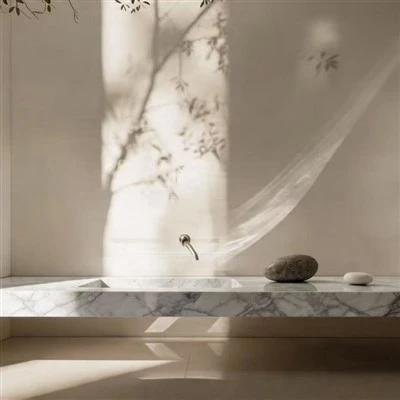
First, let’s clear up a common misconception. Natural quartz—mined directly from the earth’s crust, often as a hard, crystalline stone—has its place. But engineered quartz isn’t a “fake” version; it’s a combination of 90 to 95 percent crushed natural quartz (the same mineral, just processed) plus polyester resins, pigments, and binders. That blend is where the biggest differences start to show. I’ve seen natural quartz crack under intense heat from a hot pan left on a countertop—natural stone, even hard quartz, has fissures and can expand unevenly. Engineered quartz, though, is engineered to resist thermal shock. I’ve tested this myself: set a 350-degree pan on an engineered quartz surface, and it doesn’t leave a mark. Do that on most natural quartz, and you’re looking at a permanent ring or a crack. For busy family kitchens or restaurant prep areas, that’s not a minor detail—it’s a difference between a counter that lasts 10 years and one that lasts 20.
Then there’s stain resistance, a huge one for anyone who’s ever cleaned red wine out of a kitchen. Natural quartz is porous. Even the “low-porosity” mined varieties will absorb liquid if you don’t seal them regularly, and that sealing has to happen every one to three years, otherwise you’re looking at stains that won’t come out. Engineered quartz, on the other hand, has a non-porous surface from the resin blend. I’ve had clients spill coffee, olive oil, and even harsh cleaning chemicals on our engineered quartz surfaces, and a quick wipe with a damp cloth is all it takes. No sealing required, no extra maintenance, no surprise stains after a holiday party. For commercial spaces like cafes or hospitals where cleanliness is non-negotiable, that’s a game-changer. Natural stone can harbor bacteria in its pores, too—something that’s a big concern in healthcare settings. Engineered quartz’s non-porous surface inhibits bacterial growth, which is why so many of our clients in the medical field choose our product over natural alternatives.
Durability is another area where engineered quartz consistently outperforms natural quartz, especially in high-traffic areas. I’ve worked on projects where a contractor dropped a 10-pound tool on a natural quartz counter, and it chipped so badly they had to replace a section. With engineered quartz, that same drop? Usually just a small mark that can be buffed out with a simple kit. The resin binder in engineered quartz adds flexibility, so it doesn’t shatter under impact the way natural crystalline stone does. We also test our products for scratch resistance—everyday things like pots and pans, keys, and jewelry. Natural quartz can scratch; even the hardest mined varieties will show scuffs over time. Our engineered quartz, though, is formulated with additives that make it scratch-resistant enough to handle the wear and tear of a busy home or commercial space without looking worn out after just a few years. That’s not to say natural quartz is fragile, but when you add up the daily wear, engineered quartz holds its value better over the life of the surface.
Sustainability is a topic I get asked about more and more, and this is where a lot of people are surprised. Natural quartz mining can be disruptive. Quarries often clear large swathes of land, use massive amounts of water to process the stone, and generate waste material that’s difficult to dispose of. Engineered quartz manufacturing, by contrast, recycles almost all its waste. The offcuts from our countertops are crushed down and reused in new production runs—we only send about 1 percent of waste to landfills, if that. Also, because we produce engineered quartz in controlled facilities, we don’t have the same level of deforestation or habitat disruption that comes with mining natural stone. That said, I’m not here to bash natural quartz; if a project can source local, responsibly mined natural stone and the client understands the maintenance requirements, that’s a valid choice. But for most modern builders and homeowners who want a low-waste option that doesn’t require regular upkeep, engineered quartz is the more sustainable pick.
Wait, what about aesthetics? A lot of people think natural quartz has “authentic” variations that engineered quartz can’t replicate. That’s changing fast. When I first started, engineered quartz only came in a few solid colors or basic patterns. Now, we can create almost any look—from the subtle veining of marble to the speckled grain of natural granite—with consistent results. No two natural stone slabs are the same, which is great for unique designs, but it can also be a headache. If you’re installing a kitchen counter that needs to match a bathroom vanity made of the same natural stone, you might have to hunt for two slabs that line up perfectly. With engineered quartz, every sheet is identical. The color, the pattern, the texture—consistent from the first square foot to the last, and easy to order replacement pieces down the line if you ever need one. That’s a big plus for renovations or large commercial projects where uniformity is key.
I’ve also seen clients struggle with the cost, and this is where I want to be honest. At first glance, natural quartz might seem cheaper, but when you factor in the long-term costs, engineered quartz often ends up being the better financial choice. Natural quartz requires regular sealing (that’s $200-$300 per service, every couple of years) and repairs for cracks or stains that aren’t covered by most warranties. Engineered quartz has a 10 to 15-year warranty, no sealing costs, and the repairs are minor if they’re needed. Over 10 years, that adds up to thousands of dollars in savings. For a $5,000 countertop, that’s a huge difference. Plus, engineered quartz is often easier to fabricate and install, which cuts down on labor costs—another expense that adds up with natural stone.
But let’s address the counterarguments, because there are valid points where natural quartz shines. If a client wants that one-of-a-kind, rustic look of a natural stone slab, nothing will beat that. If the project is small and the client is willing to commit to the maintenance, natural quartz works. Also, some people prefer the weight and feel of natural stone underfoot. But for 90 percent of the projects I work on—family kitchens, retail spaces, office break rooms, hotel lobbies—engineered quartz is the practical, long-lasting choice. I’ve had clients come back to me five years after installation and say their engineered quartz still looks brand new, while a friend’s natural quartz counter already has stains and needs resealing. That’s the kind of feedback that matters more than any spec sheet.
As an engineered quartz supplier, I don’t want to oversell our product. I’ve seen too many salespeople act like engineered quartz is perfect for every job, and that’s not fair. The best advice I give every client is to weigh their priorities: do they want low maintenance? Durability against heat, stains, and scratches? Uniform aesthetics? If yes, engineered quartz is hard to beat. If they want unique, natural variations and are okay with the upkeep, natural quartz is a solid option.
What I love most about this industry is that I get to show people both products, explain the real differences, and help them make a choice that fits their needs. For me, the proof is in the work we do every day. A restaurant we supplied last year had a spill of grape juice, and the server wiped it up before it even had time to soak in. A homeowner who has three young kids tells me they never have to worry about a spill ruining their counter, even after a birthday party with lots of red frosting. Those are the stories that make all the research and testing worth it.
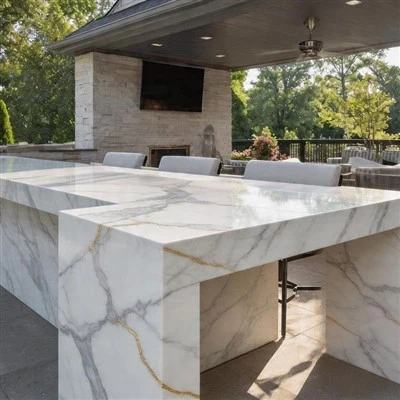
At the end of the day, when you’re choosing a countertop material, it’s not just about what’s better on paper. It’s about what works for your daily life. For most people, engineered quartz checks all the boxes: durable, low-maintenance, consistent, and sustainable. If you’re comparing options and want to talk through your specific project—whether it’s a kitchen remodel, a commercial build, or a bathroom upgrade—reach out to discuss your needs and see how our engineered quartz can fit.
Quartz Countertop Edges References
- Natural Stone Council. (2022). "Quartz Stone Properties and Applications."
- International Code Council. (2021). "Durability Guidelines for Residential Countertop Materials."
- Sustainable Building Industry Association. (2023). "Comparative Life Cycle Analysis of Engineered vs. Natural Stone Surfaces."
- Journal of Materials in Civil Engineering. (2020). "Thermal Shock Resistance of Engineered Quartz Composites."
- Food and Drug Administration. (2022). "Surface Materials for Healthcare Facilities: Non-Porous Surface Benefits."
Wuhu Junde New Material Technology Co., Ltd.
As one of the most experienced engineered quartz manufacturers and suppliers in China since 1998, we warmly welcome you to wholesale top-quality engineered quartz made in China here from our factory. If you have any enquiry about cooperation, please feel free to email us.
Address: No.8 Yulin Road, Xinwu Economic Development Zone, Anhui Province, China
E-mail: 1127319898@qq.com
WebSite: https://www.jundequartz.com/
