If you’re working with melamine faced MDF (medium-density fiberboard) — whether you’re a woodworker, cabinetmaker, or interior contractor — preserving the factory-applied melamine finish is critical. As a melamine faced MDF supplier, I get a lot of questions from customers asking how they can sand their material without scratching, chipping, or dulling that smooth, durable coating. It’s a skill that comes with understanding both the melamine layer and the MDF core, and over the years, I’ve seen mistakes that can ruin a project. Today I’m sharing the science-backed steps I recommend to keep your finish intact. Melamine Faced Mdf
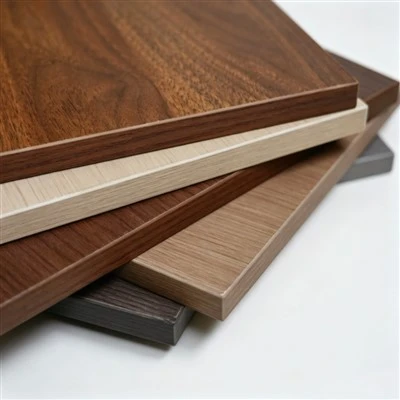
First, let’s break down why sanding melamine faced MDF is different from sanding solid wood or raw MDF. Melamine is a thermoset plastic resin that’s bonded to the MDF core under high heat and pressure. That means it’s hard, rigid, and resistant to most common woodworking marks, but it’s also brittle. The biggest risk when sanding it is using the wrong grit, too much pressure, or moving too aggressively — all of which can cause the melamine to chip away from the MDF, leave fine scratches, or even create dull spots that show up once you apply a topcoat, paint, or install the piece. Raw MDF sands easily, but melamine isn’t as forgiving.
Before you pick up any sandpaper, inspect your material. Look closely at the edges of your melamine faced MDF sheets; factory cuts are usually clean, but if you’re working with on-site cuts, you might have small splinters of melamine peeling away. If you’re sanding to smooth a cut edge, the goal is not to remove the factory finish — just to blend the cut edge so it’s even with the face. If you need to shape a piece (for example, rounding a corner), you’ll only sand that shaped area, never the flat factory surface.
Start with the right sanding tools. For melamine faced MDF, I always recommend orbital sanders over belt sanders. Belt sanders apply too much pressure in a narrow strip, which can dig into the brittle melamine finish and leave gouges. Random orbital sanders, on the other hand, move in small, circular motions, which distributes pressure evenly and minimizes the risk of damaging the finish. If you’re sanding by hand, use a flexible sanding block — this helps you maintain a uniform surface and prevents you from digging into the finish with your fingers.
Next, choose the correct sandpaper grit. This is where most people go wrong. Raw MDF might be sanded with 80-grit paper, but melamine needs finer grits to avoid scratching. For light sanding (like removing minor marks or blending a cut edge), start with 120-grit sandpaper. If you need to smooth a more noticeable uneven spot, move up to 150-grit, never coarser than that. Finer grits like 180 or 220-grit are perfect for finishing touches — they’ll remove any faint scratches left by coarser paper and leave the melamine smooth without dulling it. Avoid using sandpaper with a grit lower than 120; it’s too aggressive and will scratch the melamine finish permanently.
When you’re sanding, light pressure is non-negotiable. Melamine doesn’t need force to be smoothed — you just need to follow the contour of the surface. For flat areas, hold your sander or sanding block at a 90-degree angle to the surface, and move it in slow, consistent circles or back-and-forth motions. Don’t tilt the tool, because that can cause the edge of the sandpaper to dig into the melamine and create a line mark. If you’re working on a shaped edge, use a small sanding block that fits the curve, and keep the pressure even along the entire edge.
Another tip is to sand with the grain — wait, does that apply to melamine? Technically, melamine is a plastic layer, not wood, but the direction of the MDF’s fibers can affect how the finish responds. Sanding in a direction that follows the MDF’s fiber pattern will leave a smoother, more uniform surface than sanding against it. You can usually spot the MDF’s grain by looking at the edge of the panel — the fibers run along the length of the sheet, so sanding parallel to that direction will give the best result.
As you sand, check the surface frequently. Stop every few passes and wipe away the sanding dust with a clean, dry cloth. Melamine dust is fine and powdery, so if you let it build up, it can get trapped in the sandpaper grit and cause scratches. Wiping the surface also lets you see how your sanding is progressing, so you don’t accidentally remove too much finish. If you notice faint scratches, it’s a sign you used too coarse a grit — switch to a finer grit to buff them out gently.
There are a few common mistakes to avoid when sanding melamine faced MDF. First, don’t use a sanding sponge with rough edges, or a power sander that’s set to too high a speed. High speed can cause the sandpaper to skip, which leads to uneven sanding and possible chip-out. Second, don’t try to sand off the entire factory finish — melamine is meant to be a smooth, protective layer. If you sand through it, you’ll expose the raw MDF, which will absorb moisture and become swollen, or require a lot of work to re-coat. Finally, don’t sand wet melamine — MDF is porous, and moisture can cause the core to expand, making the melamine finish bubble or peel when you sand.
If you’re working on a project that requires a perfectly smooth surface, after sanding with 120 or 150-grit, go over the area with a microfiber cloth to remove all remaining dust. Some woodworkers like to use a tack cloth to pick up tiny dust particles, but make sure it’s not too sticky — sticky residue can leave marks on the melamine finish. Once the surface is clean, you can move on to applying paint, laminate, or installing the piece. As a melamine faced MDF supplier, I always recommend testing your sanding technique on a small scrap panel first. That way, you can get a feel for how the melamine reacts to different grits and pressure before working on your main project.
One more thing: if you do chip a small area of the melamine, don’t panic. You can repair it with a melamine repair kit, which usually includes a putty that matches the color of your finish. Sand the repair area gently with 220-grit paper once the putty is dry, then buff it to match the surrounding surface. This is a common fix, and it’s much easier than re-finishing the entire piece.
At the end of the day, sanding melamine faced MDF is about being patient and working with the material’s properties, not against them. The melamine finish is designed to be durable, but it’s not indestructible. By using the right tools, grit, and light pressure, you can get a smooth, even surface without damaging the finish. For anyone working with melamine faced MDF, this small step can make a big difference in the quality of your project.
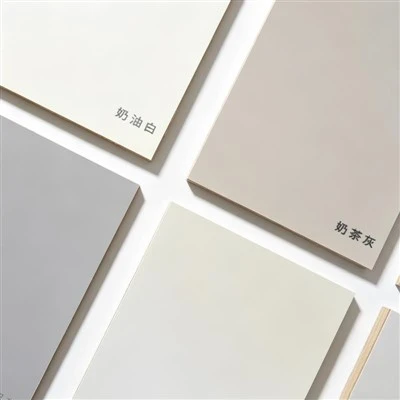
If you’re preparing a project that requires high-quality melamine faced MDF, I’m here to help. We offer a range of panels in different sizes and finishes, perfect for cabinets, furniture, and interior construction. To discuss your project requirements or order materials, feel free to get in touch.
Melamine Faced Plywood References
- Woodworking Network. (2022). “Working with Melamine: A Guide to Proper Handling and Finishing.”
- American Wood Council. (2021). “Melamine Faced Panels: Properties and Best Practices for Woodworkers.”
- Fine Woodworking. (2020). “Synthetic Finishes: How to Sand and Finish Plastic Laminates.”
- Forest Products Laboratory. (2019). “Medium-Density Fiberboard (MDF): Performance and Processing Guidelines.”
- CabinetMaker magazine. (2023). “Common Mistakes in Sanding Melamine and How to Avoid Them.”
Jiangshan Shunlong Wood Industry Co., Ltd.
As one of the most professional melamine faced mdf manufacturers and suppliers in China, our products have good reputation in the market. Please feel free to wholesale bulk melamine faced mdf in stock here and get quotation from our factory. We also accept customized orders.
Address: No.7 Jinfeng Road, Jintangshan Industrial Zone, Hecun Town, Jiangshan City, Quzhou City, Zhejiang Province
E-mail: 17858202655@163.com
WebSite: https://www.shunlongwood.com/
