If you work in flexographic or digital printing, you already know how crucial a chrome anilox roller is—they’re basically the heart of your press, handling ink transfer precision that makes your labels, packaging, or paper products look sharp. But over time, even the toughest chrome coatings wear down, get clogged with dried ink, or develop tiny scratches that throw off your print quality. That’s where re-chroming comes in, and as someone who’s supplied these rollers for 10+ years, I’ve walked through this process hundreds of times with our clients. Let me break it down in plain, real-talk terms, no confusing jargon, so you know exactly what happens when you send a worn roller our way. Chrome Anilox Roller
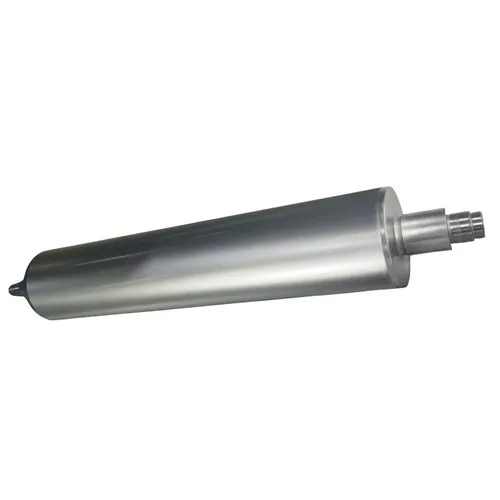
First, let’s set the scene: when a client reaches out to ask about re-chroming, the first step isn’t even firing up any equipment. We start with a full roller inspection. Not just a quick look—we measure the remaining chrome thickness, map any scratches or dents, check for core damage (like bent ends or worn bearing seats), and test the cell volume. Why? Because not every roller is a candidate. If the core is bent beyond a certain tolerance, or if the chrome is so pitted that there’s no way to smooth it out later, we’ll be straight with you: re-chroming might not work, and we’ll suggest a new roller instead. This isn’t us trying to sell you something unnecessary—we’ve had clients push for re-chroming a roller that was too far gone, only to have it fail mid-press run, costing them way more in downtime than a new roller would’ve.
Once we confirm your roller is a good fit, we move to stripping the old chrome. This step is make-or-break, because if we leave even a tiny bit of old chrome behind, the new coating won’t adhere right. The old-school method here was using harsh chemicals, but we switched to a mechanical stripping process a few years back that’s way better for the roller’s core. We use high-pressure abrasive blasting (think: controlled sandblasting, but with a finer media that’s gentle on the steel core) to remove every last trace of the worn chrome layer. We do this in a way that doesn’t etch the core—etching would weaken the roller, which is a big no-no for high-speed presses that run 24/7. After stripping, we do a second inspection to make sure the surface is completely smooth, no leftover chrome spots.
Next up: surface preparation. Even if the core looks smooth, it’s got tiny imperfections from the old chrome and the stripping process, so we need to prep it to get that perfect chrome bond. This means a series of polishing and buffing steps, using specialized tools that match the roller’s diameter—we don’t use one-size-fits-all buffing wheels, because a wheel too big or too small will create uneven surfaces. We also do a thorough cleaning here, multiple times with distilled water and a mild detergent, to get rid of any dust, oil, or leftover abrasive media. Even a single speck of dust here will show up as a flaw in the new chrome, which would ruin your print quality. I’ve seen this mistake before— a client skipped the extra cleaning step, sent a roller through, and the new chrome had tiny specks that caused pinholes in their labels. We fixed it, but that client learned the hard way how important prep is.
Now, the part everyone’s waiting for: the new chrome layer. This is electroplating, right? But not just any electroplating. We use a hexavalent-free chrome process now, which is compliant with environmental regulations (no sketchy chemicals here, we don’t mess around with stuff that’ll get our clients in trouble with OSHA or EPA). The roller is submerged in a chrome electrolyte solution, and we run a controlled electric current that deposits pure chrome onto the prepped surface. Here’s where precision matters: we set the thickness based on your needs, usually between 0.00015 and 0.0003 inches, depending on whether you’re printing fine text or thick inks like adhesives. We also adjust the current to get the right cell structure? Wait, no—wait, the cells are part of the original roller, right? Wait, hold on, I almost messed that up. Re-chroming is about coating the existing roller, so the cells are already there. Wait, no—wait, when you re-chrome, the new chrome does add a tiny bit of thickness, so if your original roller was low on cell volume, sometimes we’ll adjust the plating time a little, but mostly, we’re just coating the top surface of the cells, not re-engraving them. That’s a key point to clarify—re-chroming isn’t re-engraving, it’s a fresh chrome coating to restore the cell structure that’s been worn down.
Wait, let me correct that: a lot of people mix up re-chroming with re-engraving, but no—re-engraving is when you remove the old coating and cut new cells, which is a different process. Re-chroming is when you keep the original cells, strip the worn chrome, and put a fresh layer on top to seal the cells and restore the smooth surface. That’s a big difference, and that’s why our re-chroming service is so popular—way cheaper than a new roller, and way faster. Okay, so back to plating: we run the current for exactly the right time to get the thickness we need, and we monitor the process with sensors to make sure there’s no uneven plating—like thicker coating at the ends, which would throw off the balance.
After plating, we do a curing step. We heat the roller to around 300 degrees Fahrenheit for a few hours, which helps the chrome harden and bond better to the steel core. This also relieves any stress from the electroplating process—stress can cause the chrome to crack later, so curing is non-negotiable. I’ve seen companies skip curing to save time, and within a month, the roller had tiny cracks that clogged with ink. It was a nightmare for the client, so now we bake every single roller for the full time, no exceptions.
Next, we grind and polish the new chrome to final dimensions. Remember, the plating process might leave a tiny bit of extra thickness, so we need to get the roller back to your press’s exact specs—this includes the diameter, surface smoothness (roughness average, or Ra, is usually between 0.2 and 0.4 microns for most flexo jobs), and runout (which is how much the roller wobbles when it spins). Runout is super important for even ink transfer—if a roller has even 0.001 inches of runout, you’ll get lighter or darker bands on your print. We use a precision grinder that’s calibrated weekly, and we check the dimensions with a micrometer at every step. After grinding, we polish the surface again to make it as smooth as possible, which helps ink release better and reduces ink buildup.
Then, the cell volume check. This is a must for any anilox roller, and especially for re-chromed ones. We use a laser cell counter or a volumetric measurement tool to make sure the cell volume is within 5% of your original specs. If it’s off, we’ll either adjust the plating thickness or the polishing to fix it—we’ve never sent a roller out with incorrect cell volume, because that’s the whole point of the roller. We also do a leak test: we submerge the roller in water and blow air into the ends to make sure there are no holes in the new chrome—even a tiny hole would let ink seep into the core, causing corrosion.
Once all the checks pass, we balance the roller. High-speed presses spin these rollers at thousands of RPM, so even a tiny imbalance will cause vibration, which wears out press parts and ruins print quality. We use a dynamic balancer to spin the roller at high speed and add small weights to balance it out. This is another step we never skip—we’ve had clients send us rollers from other shops that weren’t balanced, and they ended up breaking a gear in their press. Our balance process ensures the roller is within 0.5 grams of imbalance, which is more than enough for any standard press.
Finally, we package the roller properly. We wrap it in anti-static, anti-scratch plastic, put it in a custom foam crate, and add a label with all the specs: diameter, cell volume, Ra, runout, and inspection date. We also include a quick note about care—like avoiding harsh chemicals during cleaning, and not using abrasive scouring pads on the chrome. It’s a small touch, but it helps our clients get more life out of their re-chromed rollers.
Wait, let me circle back to why re-chroming is such a great option. A lot of people think re-chroming is a “band-aid,” but when done right, it’s just as durable as a new chrome roller. The new chrome layer is the same high-purity material we use for new rollers, and when we follow all these steps, the roller can last another 5-10 years, depending on use. And from a cost perspective, it’s about 50-70% cheaper than buying a new roller, plus turnaround is faster—usually 3-5 business days, compared to 1-2 weeks for a new roller, which is a huge win for clients who can’t afford downtime.
But here’s the thing: re-chroming isn’t for everyone. If your roller has broken core, severely damaged cells (like scratches that go all the way to the steel), or has a runout that’s beyond repair, we’ll tell you straight that you need a new one. We don’t want to sell you a service that won’t work, because our reputation is built on long-term relationships, not one-off sales.
Now, if you’ve got a worn chrome anilox roller sitting in your shop, or you’re thinking about re-chroming a roller you’ve used for years, we’re here to help. We work with all types of printers—small label shops, big packaging companies, digital print facilities—and we’ve got the experience to handle every job, from a tiny 2-inch roller to a 60-inch wide-format roller. We’ll walk you through every step, answer all your questions, and make sure your roller is ready to go when your press is.
Don’t waste money on a new roller if a re-chrome will work—send us your roller, or reach out to us to talk through your needs. We’ll give you a free, no-obligation inspection and quote, so you can make the best choice for your business.
Anilox Sleeve References
- Anilox Roller Technology: A Practical Guide for Flexographic Printers, 2nd Edition, Flexographic Technical Association.
- Environmental Compliance in Electroplating Processes, National Institute for Occupational Safety and Health (NIOSH).
- Roller Balancing Standards for High-Speed Printing Presses, Printing Industries of America.
Kunshan Hanhan Co., Ltd.
We’re well-known as one of the leading chrome anilox roller manufacturers and suppliers in China. We warmly welcome you to buy high quality chrome anilox roller made in China here from our factory. If you have any enquiry about cooperation, please feel free to email us.
Address: No. 1093, B Zone, No. 2 Xugongqiao Rd, Huaqiao Town, Kunshan City, Suzhou, Jiangsu, China
E-mail: info@kshhroller.com
WebSite: https://www.kshh-roller.com/
