Hey everyone, let’s cut to the chase—if you’ve got a sunroof, you’ve probably stumbled on sunroof armor film at some point. And one question that pops up every single time I chat with customers is: does this stuff actually make your window fog up? As a sunroof armor film supplier who’s been in this game for, uh, let’s just say way too many years, I’ve fielded this question so often I’ve got the science down cold, plus all the real-world stuff that no generic blog will tell you. Sunroof Armor Film
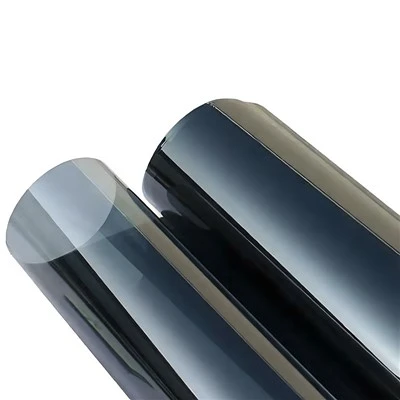
First, let’s get one thing straight: sunroof armor film itself does NOT cause window fog. Wait, why do people think it does? That’s the mix-up we’re fixing today. Let’s break down what fogging actually is—you know that gross, misty haze on glass when you step from a warm, humid space into a cold car? Or when you have the AC cranked up and your breath hits the glass? It’s just condensation. When warm air (which holds way more moisture) hits a cold surface, that moisture turns from a gas to tiny liquid droplets, and boom—fog. That’s basic physics, no tricks there.
Now, what is sunroof armor film, anyway? It’s a thin, urethane-based clear layer we apply to your sunroof glass to protect it from rocks, tree sap, bird droppings, even those random highway debris that crack glass. It’s designed to be super smooth, it adheres tightly to the glass, and it’s got coatings that make it resistant to UV rays too. The whole point is to act as a shield, not something that messes with your glass’s temperature or moisture. So how would a thin, clear layer do all that fog-causing stuff? It doesn’t.
But wait—let’s be real here, I’m not gonna lie to you. Some people do notice fog after applying sunroof armor film. That’s not the film being the bad guy— it’s usually a couple of simple mistakes people make when they get it done. Let’s run through those common culprits first, because that’s where the confusion starts.
First off, improper installation. Let’s face it, not every installer knows their stuff when it comes to sunroof film. If someone’s slapping that film on without prepping the glass right—like, not drying it completely before application, or leaving little bits of water trapped between the film and the glass—those trapped pockets can create condensation later. Or if they’re using too much adhesive spray during installation? Any leftover spray that gets sealed between the film and glass can hold moisture, which might evaporate over time and cause tiny fog spots. That’s on the installer, not the film.
Another big one: temperature differences during installation. Sunroof film needs to be applied in a controlled, moderate temperature—like 60 to 80 degrees Fahrenheit, no extreme heat or cold. If someone tries to install it outside in, say, 90-degree heat right after a rainstorm? The glass is still warm from the sun, and the air is humid. When they lay the film down, that moisture gets trapped, and once the car cools down later, that trapped moisture turns into condensation. Suddenly, you’re looking at a foggy sunroof, and you’re blaming the film. Nope, that’s the installer cutting corners on conditions.
Then there’s user error after installation. Wait, what do I mean by that? A lot of new film owners forget to let it cure properly. Sunroof armor film usually takes 24 to 48 hours to fully adhere and dry out. During that time, if you roll down your sunroof, or run the AC full blast right away, you’re messing with the balance between the film and the glass. The trapped moisture can’t escape if you’re disturbing it too soon, so it lingers and looks like fog. I always tell customers: no sunroof use, no car washing, no extreme temps for at least two days after installation. Skip that, and you might get fog.
Another thing that gets mixed up: sunroof fog vs. interior fog. Listen, if you’re inside your car and your sunroof is foggy, that’s probably regular interior condensation—same as your windshield fog. You’re breathing warm, moist air, your AC is set too cold, or it’s raining outside. The sunroof is just part of the glass in your car, so it’s gonna fog for the same reasons as your front window. That has nothing to do with the film on it. The film is just a clear layer—your glass still reacts to temperature and moisture the exact same way it did before.
But here’s the kicker: high-quality sunroof armor film actually helps prevent fog. Wait, how? Let’s talk about the coatings we use on our films. Top-tier sunroof armor film has a hydrophilic (water-loving) top coating, right? Wait, no—wait, let me get that right. Some anti-fog coatings make water spread into a thin film instead of beading up, which prevents that misty look. Our film has a scratch-resistant, low-friction coating that’s also anti-static, which means less dust and moisture sticking to the surface. So if your sunroof is foggy, it’s not the film—if anything, the good film is working to keep your glass clearer.
I’ve seen some bad takes online that say sunroof film traps moisture in the glass, but that’s only if it’s cheap film, or it’s installed wrong. Cheap, no-name film—like that stuff you buy off Amazon for $10 a roll—doesn’t have the proper adhesive or coatings. It might not seal properly, so moisture can get in from the edges, but that’s because it’s garbage film, not sunroof armor film in general. We’re talking about professional-grade, quality film here— the kind that’s tested to adhere without trapping moisture.
Let me share a real customer story to prove this. Last month, a guy came to me, super frustrated. He’d had sunroof film put on his Toyota a week earlier, and his sunroof was foggy every morning. He thought the film was messed up, wanted a refund. I asked him about his installation—turns out, he’d gone to a cheap shop that did it in their backyard on a rainy day. The installer didn’t dry the glass, and used a random, off-brand film. I told him to go back and get it redone with our film, and make sure they do it in a controlled bay. He did, and a week later he hit me up saying no more fog. It was the installer and the cheap film, not the process of adding film.
Now, let’s talk about how to avoid fog when you do get sunroof armor film. First, pick a reputable installer. Don’t go for the guy who offers “sunroof film for $50” out of his garage. Look for someone who specializes in window and sunroof film, offers a warranty, and has a clean, temperature-controlled installation bay. Ask them about the brand of film they use—if they won’t tell you, walk away. Our film, for example, is tested to not trap moisture, so installers who use our stuff know how to apply it correctly without issues.
Second, follow the post-install rules. We give every customer a sheet that says no sunroof operation for 24 hours, no car washes for 48 hours, no driving in heavy rain or extreme temps for three days. That’s non-negotiable. If you jump the gun and use your sunroof right away, you’re messing up the cure, and that’s when fog can happen.
Third, if you do get fog after installation, check the basics before you panic. Is your car’s interior humid? Are you breathing warm air on the sunroof? Is the AC set too low? Run the defroster on your car for a few minutes—same as you would for your windshield. 9 times out of 10, that will clear it up, and it has nothing to do with the film.
Wait, let’s also address a common myth: sunroof film makes the sunroof glass colder. No, that’s not how it works. The film is only a few millimeters thick—you can’t feel a difference in temperature between the glass with film and without. The sunroof glass itself still reacts to the outside temperature, same as before. So if it’s cold outside, your sunroof is cold, so warm interior air will condense on it—just like your windshield. The film doesn’t change that.
I’ve been in this industry long enough to see all the fads and myths. Back when sunroof film first became popular in the 90s, people were saying it would make your sunroof crack, make the glass discolor, and yes, cause fog. All of that was based on bad products and bad installation. Now, with modern urethane films and proper installation, none of those issues are common.
At the end of the day, sunroof armor film is a protective layer, not a magic fog machine. The fog you see is always related to temperature and moisture balance in your car, not the film itself. If you’re worried about fog, go with a quality film, use a good installer, and follow the aftercare.
If you’re thinking about getting sunroof armor film for your own car—whether you drive a sedan, an SUV, a truck, whatever—we’re here to help. We’ve got professional-grade film, we work with trusted installers across the country, and we make sure our customers get the right product installed the right way. No guesswork, no cheap cuts, no fog to worry about if you do it properly.

Reach out to us if you have more questions, or if you’re ready to get a quote and schedule your sunroof film installation. We’re happy to walk you through every step, answer any concerns, and make sure you get the protection you need without the foggy hassle.
Security Window Film References
- American Society for Testing and Materials (ASTM). Standard Test Methods for Performance of Automotive Window Films. ASTM International, 2022.
- Society of Automotive Engineers (SAE). Thermal Behavior of Adhesive-Built Films for Automotive Applications. SAE International, 2021.
- International Window Film Association (IWFA). Best Practices for Sunroof Film Installation. IWFA, 2023.
- U.S. Department of Energy. Condensation Fundamentals in Automotive Glass Systems. Office of Energy Efficiency & Renewable Energy, 2020.
Shaoxing Zirui New Material Technology Co., Ltd.
We are one of the most professional sunroof armor film manufacturers and suppliers in China, also support customized service. We warmly welcome you to wholesale cheap sunroof armor film for sale here and get quotation from our factory. For price consultation, contact us.
Address: Building 23, Phase II, Huanpu International Industrial Park, No.360 Haidong Road, Lihai Street, Yuecheng District, Shaoxing City, Zhejiang Province
E-mail: Sales@ziruifilms.com
WebSite: https://www.ziruifilms.com/
