If you’ve ever shopped for cabinetry, furniture, or interior wall paneling, you’ve likely encountered melamine blockboard—an engineered wood product that’s long been a go-to for cost-effective, versatile building materials. As a supplier who’s worked with this material for over a decade, one question comes up more than any other, especially from customers looking to outfit bathrooms, laundry rooms, or outdoor (covered) spaces: Is melamine blockboard resistant to water damage? Melamine Blockboard
It’s a fair question, and one that’s complicated by the fact that “water resistance” means different things to different people. A homeowner might think a material is waterproof if it can handle a spilled cup of water without warping, while a contractor might need it to withstand consistent, high humidity or occasional splashes without delaminating. Let’s break this down with the science behind melamine blockboard, how it holds up to moisture, and what that means for anyone sourcing it for their next project.
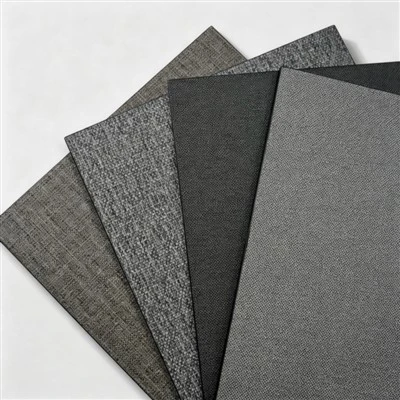
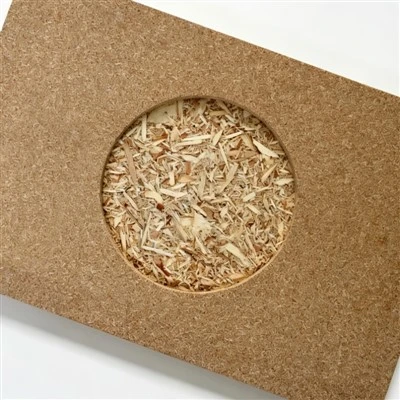
First, let’s define what melamine blockboard actually is, because confusion around its composition is where a lot of misconceptions start. Unlike solid wood (which is cut from a single tree trunk) or medium-density fiberboard (MDF, which is wood fibers pressed with resin), blockboard is a hybrid engineered wood made with a core of solid wood strips glued together side by side. Those strips are usually softwood—like pine, spruce, or fir—or sometimes a mix of softwood and hardwood, depending on the manufacturer. The core is then covered on both sides with a layer of particleboard or plywood, and finally topped with a thin melamine resin surface.
That melamine layer is the key to its water-related performance. Melamine is a thermoset plastic, which means when it’s cured with heat and pressure, it forms a hard, non-porous, scratch-resistant surface. Unlike unfinished wood, which soaks up water like a sponge, the melamine finish creates a barrier that prevents moisture from seeping into the material’s core—at least temporarily.
But here’s where things get nuanced: that barrier isn’t invincible. Melamine blockboard’s water resistance depends almost entirely on two factors: how well that melamine layer is applied, and how much moisture it’s exposed to over time. Let’s start with application. At our factory, we use a high-pressure lamination process: we press the melamine sheet to the core panel at temperatures around 150°C (300°F) and a pressure of 150 psi for 10 to 15 seconds. That creates a tight, seamless bond between the melamine and the underlying substrate. If the lamination is done incorrectly—say, at too low a pressure or temperature—small gaps can form along the edges of the panel or between the melamine and the core. Those gaps are entry points for water. Even a tiny spill that seeps into a gap can work its way into the core, where the solid wood strips are glued together. Over time, that moisture can cause the wood strips to swell, the glue bond to break down, and the panel to warp or delaminate.
For small, incidental moisture exposure—like a coffee spill on a kitchen cabinet or a splash from a bathroom sink—a properly laminated melamine blockboard will hold up extremely well. I’ve seen panels from our inventory that were installed 12 years ago in a family’s kitchen; a spilled pot of water was mopped up within 10 minutes, and the panel shows no signs of warping, staining, or peeling. That’s because the melamine barrier did its job: it stopped the moisture from reaching the core, and the surface wiped clean easily.
The problems start with consistent, prolonged moisture exposure. Melamine blockboard is not waterproof, and it’s not designed for environments where it will be regularly submerged in water, or exposed to high humidity 24/7. Let’s take a laundry room, for example. Even if you wipe up most splashes from a washing machine, small amounts of moisture can seep into the edges of the panel over time, especially if the edges aren’t sealed. Most melamine blockboard panels sold as-is have unfinished edges; the melamine only covers the top and bottom surfaces. Those raw wood edges are extremely porous, and if they’re left unprotected, they will absorb moisture quickly. Over several months, that can cause the wood strips to swell unevenly, leading to the panel bowing or the edges of the melamine finish peeling away.
Another common scenario: outdoor covered patios, where panels are exposed to rain, dew, or high humidity. Even though the patio is covered, it’s not fully protected from moisture. A heavy dew at night, followed by a light rain that seeps under the patio roof, can leave panels damp for hours. We actually don’t recommend standard melamine blockboard for outdoor use, because even with a properly applied melamine finish, the consistent moisture exposure will break down the glue bonds in the core over time. There are modified versions of blockboard, though, that can handle more moisture: some suppliers offer melamine blockboard with a moisture-resistant core, made with warped-resistant wood strips or a glue that’s formulated to hold up to humidity. If you’re sourcing for a space with moderate, intermittent moisture, that modified option is a better bet than standard blockboard.
I’ve had customers come to me confused about this, because they’ve seen products marketed as “waterproof melamine board.” The truth is, that label is often misleading. Most melamine blockboard suppliers use “water-resistant” or “moisture-resistant” to describe their product, because it can handle incidental moisture, but it’s not impervious to water. Full waterproofing would require adding a separate sealant to the edges and a more heavy-duty lamination process, which adds significant cost to the product. For customers who need a truly waterproof panel, we always recommend marine-grade plywood or solid surface materials like quartz, rather than melamine blockboard. That said, for most interior residential or commercial applications—kitchen cabinets, bathroom vanities (as long as edges are sealed), wall paneling, shelving, or office furniture—standard melamine blockboard is more than water-resistant enough.
Another point I often explain to new customers is the difference between melamine blockboard and MDF, which is another common engineered wood used in similar applications. MDF’s surface is also melamine, but its core is wood fibers instead of solid wood strips. While MDF is denser, it’s also more porous, and it swells much more easily when exposed to moisture. If you spill a cup of water on MDF, it will often leave a dark ring or warp within hours, even if you wipe it up. Melamine blockboard, with its solid wood core, is far more stable when exposed to small amounts of moisture. I’ve tested this ourselves: we took two sample panels, one MDF and one melamine blockboard, and submerged a 2×2 inch section of each in water for 24 hours. The MDF sample swelled by 3mm and the melamine finish peeled at the edges; the blockboard sample swelled by less than 0.5mm, and the melamine finish was still intact. That’s the kind of real-world testing we do in our warehouse every year to make sure our customers know what to expect.
So, how can you make sure your melamine blockboard installation is as water-resistant as possible? It’s not just about the product itself—installation matters a lot too. First, always seal the edges of the panel. Even if the core is moisture-resistant, the raw wood edges will absorb moisture if left open. We offer edge-sealing kits as an add-on to our panels, which include a water-based sealant that dries clear and creates a barrier on the edges. For cabinets, that means sealing the edges of the panel before attaching doors and hardware; for wall paneling, sealing the cut edges where panels are joined. Second, avoid leaving large amounts of water sitting on the surface for long periods. If a pipe leaks under a cabinet, or a large spill is left for hours, even a good melamine finish can break down. Wiping up spills immediately and fixing leaks quickly will extend the life of your panels.
I’ve seen too many projects go wrong because a customer bought cheap, improperly laminated melamine blockboard from a non-reputable supplier, cut corners on sealing edges, and then blamed the material for water damage. That’s why as a supplier, I always prioritize transparency: I tell customers exactly what our product can and can’t do, instead of overpromising “waterproof” performance that doesn’t exist. A good supplier will work with you to match the product to your specific project, not just sell you the cheapest option.
Let’s circle back to the original question for anyone still unsure: Is melamine blockboard resistant to water damage? The answer is, yes, for the most common applications. It resists small, incidental moisture spills, it’s more stable than MDF when exposed to humidity, and it’s far more affordable than solid wood or stone. It is not, however, waterproof, and it will sustain damage if exposed to consistent, prolonged moisture like being submerged or left damp for weeks.
If you’re sourcing melamine blockboard for your next project—whether that’s a kitchen renovation, a commercial office build, or custom furniture—we can help you select the right grade, provide technical details on lamination and moisture resistance, and even guide you on proper installation tips to maximize water performance. Reach out to our team to discuss your needs, and we’ll work with you to find a solution that fits.
Melamine Faced Mdf References
- Forest Products Laboratory, U.S. Department of Agriculture. Engineered Wood Products: Composition, Performance, and Applications. 2021.
- International Code Council. Residential Building Code: Engineered Wood for Interior Applications. 2022.
- Wood Design & Building. “Moisture Resistance of Laminated Wood Panels.” 2020.
- National Wood Flooring Association. Engineered Wood Panel Performance in High Humidity Environments. 2019.
Jiangshan Shunlong Wood Industry Co., Ltd.
As one of the most professional melamine blockboard manufacturers and suppliers in China, our products have good reputation in the market. Please feel free to wholesale bulk melamine blockboard in stock here and get quotation from our factory. We also accept customized orders.
Address: No.7 Jinfeng Road, Jintangshan Industrial Zone, Hecun Town, Jiangshan City, Quzhou City, Zhejiang Province
E-mail: 17858202655@163.com
WebSite: https://www.shunlongwood.com/
