Can Synulox be used in combination with other medications? Synulox

As a supplier of Synulox, I often receive inquiries from veterinarians, pet owners, and animal health professionals regarding the compatibility of Synulox with other medications. Synulox, a well – known veterinary antibiotic, contains amoxicillin and clavulanic acid. This combination is effective against a wide range of bacterial infections in animals, but the question of its co – administration with other drugs is an important one that requires careful consideration.
Understanding Synulox
Before delving into the combination use, it’s crucial to understand what Synulox is. Amoxicillin, a beta – lactam antibiotic, works by inhibiting the synthesis of the bacterial cell wall, leading to the death of the bacteria. Clavulanic acid, on the other hand, is a beta – lactamase inhibitor. Many bacteria produce beta – lactamase enzymes that can break down amoxicillin and render it ineffective. Clavulanic acid binds to these enzymes, preventing them from inactivating amoxicillin, thus enhancing the antibiotic’s efficacy.
General Principles of Combining Medications
When considering combining Synulox with other medications, several general principles should be kept in mind. First, the potential for drug – drug interactions must be evaluated. These interactions can occur at different levels, such as pharmacokinetic interactions (affecting the absorption, distribution, metabolism, or excretion of the drugs) or pharmacodynamic interactions (altering the drugs’ effects on the body).
Second, the goal of the combination therapy should be clear. It could be to broaden the spectrum of antibacterial activity, treat a mixed infection, or manage a more severe infection. However, combination therapy should not be used without a valid reason, as it can increase the risk of side effects and the development of antibiotic resistance.
Compatible Medications
Non – steroidal anti – inflammatory drugs (NSAIDs)
NSAIDs are commonly used in veterinary medicine to relieve pain, inflammation, and fever. In many cases, they can be used in combination with Synulox. For example, when an animal has a bacterial infection accompanied by pain and inflammation, such as in the case of a joint infection or a soft – tissue abscess, a veterinarian may prescribe both Synulox and an NSAID.
However, it’s important to monitor the animal closely for potential side effects. Both amoxicillin and some NSAIDs can have an impact on the gastrointestinal tract. There is a risk of increased gastrointestinal irritation, such as vomiting, diarrhea, or ulcers, when these two types of drugs are used together.
Probiotics
Probiotics are beneficial bacteria that can help maintain the balance of the gut microbiota. When an animal is on antibiotic therapy like Synulox, the normal gut flora can be disrupted, leading to digestive problems. Administering probiotics in combination with Synulox can help mitigate these effects.
Probiotics can help prevent antibiotic – associated diarrhea by restoring the normal bacterial population in the gut. They also play a role in enhancing the immune system, which can be beneficial during an infection. It’s advisable to separate the administration of Synulox and probiotics by a few hours to avoid the antibiotics killing the beneficial bacteria.
Other Antibiotics
In some cases, Synulox may be combined with other antibiotics. This is usually done when dealing with a complex or multi – resistant bacterial infection. For example, if a culture and sensitivity test shows that the bacteria causing the infection are resistant to some of the components of Synulox or if the infection is caused by a combination of different bacteria, a veterinarian may choose to add another antibiotic.
However, combining antibiotics should be done with extreme caution. The risk of antibiotic resistance is significantly increased when multiple antibiotics are used. Additionally, there may be an increased risk of side effects, such as allergic reactions or organ toxicity.
Incompatible Medications
Tetracyclines
Tetracyclines are another class of antibiotics. Combining Synulox with tetracyclines is generally not recommended. Tetracyclines can chelate metal ions, and this can interfere with the absorption of amoxicillin in the gastrointestinal tract. As a result, the effectiveness of both drugs may be reduced.
Aminoglycosides
Aminoglycosides are antibiotics that are effective against certain types of bacteria, especially Gram – negative bacteria. When used in combination with Synulox, there is a potential for an increased risk of nephrotoxicity (kidney damage). The combination can also lead to additive effects on the inner ear, increasing the risk of hearing loss.
Importance of Professional Advice
Given the complexity of drug interactions, it is essential that any combination of Synulox with other medications is prescribed by a qualified veterinarian. Veterinarians have the knowledge and experience to assess the animal’s condition, the type of infection, and the potential risks and benefits of combination therapy.
They can also perform appropriate diagnostic tests, such as blood tests, urine tests, and bacterial cultures, to determine the most effective treatment plan. In addition, veterinarians can monitor the animal’s response to the treatment and make adjustments as needed.
Our Role as a Synulox Supplier
As a supplier of Synulox, we are committed to providing accurate and up – to – date information about the product. We work closely with veterinarians and animal health professionals to ensure that they have the knowledge they need to use Synulox safely and effectively.
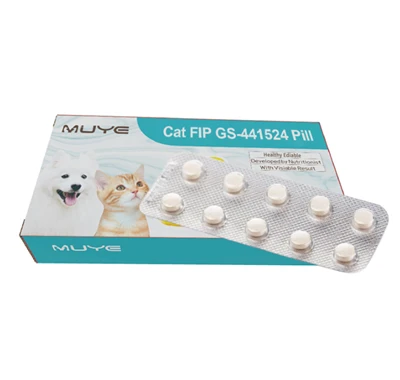
We also offer high – quality Synulox products that meet the strictest standards of quality and safety. Our products are sourced from reliable manufacturers and are stored and transported under appropriate conditions to maintain their efficacy.
Synulox If you are a veterinarian, pet owner, or animal health professional interested in learning more about Synulox or purchasing our products, we encourage you to reach out to us. We are here to answer your questions, provide technical support, and assist you in making the best decisions for the health of your animals. Whether you need information about combination therapy or are looking to place an order, our team is ready to help.
References
- Boothe, D. M. (2018). Small Animal Clinical Pharmacology and Therapeutics. Elsevier.
- Plumb, D. C. (2015). Plumb’s Veterinary Drug Handbook. Wiley – Blackwell.
- Veterinary Pharmacology and Therapeutics, various editions.
Hangzhou Boyuan Supply Chain Co., Ltd.
We’re well-known as one of the leading synulox suppliers in China. With abundant experience, we warmly welcome you to buy cheap synulox in stock here from our factory. If you have any enquiry about cooperation, please feel free to email us.
Address: CHINA
E-mail: shouyuhai@163.com
WebSite: https://www.petmedisupply.com/
