Hey there! As a supplier of nylon lock nuts, I often get asked if these little guys can be used in electrical applications. Well, let’s dive right into this topic and find out. Nylon Lock Nut
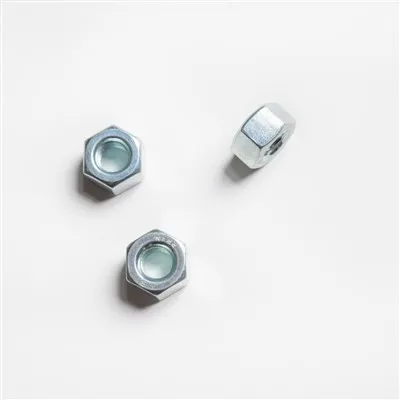
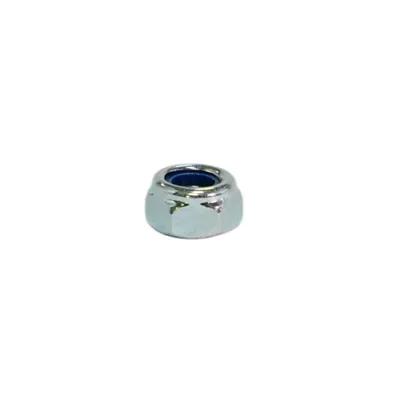
First off, let’s talk a bit about what nylon lock nuts are. They’re basically regular nuts with a nylon insert. This insert creates friction when you tighten the nut onto a bolt or screw, which helps to keep it in place and prevents it from loosening due to vibrations or movement. They’re super handy in a whole bunch of mechanical applications, but what about in the electrical world?
One of the main concerns in electrical applications is electrical conductivity. In most electrical setups, you want components that can conduct electricity well. But nylon is an insulator, which means it doesn’t let electricity flow through it easily. So, at first glance, it might seem like nylon lock nuts wouldn’t be a good fit. However, it’s not that simple.
In many cases, the nylon insert in the lock nut is only there to provide the locking function. The metal part of the nut, usually made of stainless steel, brass, or other conductive metals, is what actually makes contact with the electrical components. This means that as long as the metal part is in proper contact with the conductive surfaces, the nylon insert won’t interfere with the electrical conductivity of the overall setup.
For example, in some electrical enclosures where you’re mounting components like circuit breakers or relays, nylon lock nuts can be used to secure the mounting bolts. The metal part of the nut will conduct any electrical current that might pass through the bolt, while the nylon insert keeps the nut from coming loose. This can be really useful in preventing loose connections, which can lead to electrical arcing, overheating, and even equipment failure.
Another important factor to consider is corrosion resistance. Electrical systems are often exposed to different environmental conditions, and corrosion can be a major problem. Nylon lock nuts, especially those made with high – quality metals and a good nylon insert, can offer excellent corrosion resistance. Stainless steel nylon lock nuts, for instance, can withstand moisture, chemicals, and other corrosive elements, which helps to keep the electrical connections stable over time.
Now, let’s talk about some of the situations where you might want to be a bit more cautious when using nylon lock nuts in electrical applications. If you’re dealing with high – voltage or high – current systems, you need to make sure that the metal part of the nut is thick enough and has a low enough resistance. Otherwise, it could heat up due to the electrical current, which is a big no – no.
Also, in applications where there’s a lot of electrical noise or interference, you need to ensure that the nylon lock nuts don’t create any additional problems. Sometimes, vibrations from electrical equipment can cause the nylon insert to wear out over time, which might affect the locking ability of the nut. So, you might need to do regular inspections to make sure everything is still in good working order.
Safety is always a top priority in electrical work. When using nylon lock nuts, you need to follow all the relevant electrical safety standards and regulations. For example, in some industries, there are specific requirements for the type of fasteners that can be used in electrical panels. Make sure you know these regulations and choose the right nylon lock nuts that meet them.
Here are some of the benefits of using nylon lock nuts in electrical applications:
- Vibration resistance: As I mentioned earlier, the nylon insert helps to keep the nut from loosening due to vibrations. This is crucial in electrical equipment that might be subject to shaking or movement.
- Reusable: Nylon lock nuts can be reused multiple times. This is a great advantage in terms of cost – effectiveness, especially if you need to do maintenance or repairs on your electrical systems.
- Easy installation: They’re easy to install, just like regular nuts. You don’t need any special tools or techniques, which can save you time and effort.
On the other hand, there are also a few drawbacks:
- Limited temperature range: The nylon insert has a limited temperature range. If the electrical equipment gets too hot, the nylon can melt or deform, which will affect the locking ability of the nut.
- Potential for wear: Over time, the nylon insert can wear out, especially if there’s a lot of movement or vibration. This might require you to replace the nuts periodically.
So, can nylon lock nuts be used in electrical applications? The answer is yes, in many cases. But you need to carefully evaluate your specific electrical setup, consider the factors I’ve mentioned above, and make sure you’re using the right type of nylon lock nuts.
If you’re in the market for high – quality nylon lock nuts for your electrical applications, I’d love to talk to you. Whether you’re working on a small DIY electrical project or a large industrial electrical system, we’ve got a wide range of nylon lock nuts to suit your needs. We’re committed to providing top – notch products and excellent customer service. So, if you’re interested in learning more or want to place an order, don’t hesitate to get in touch. We can discuss your requirements in detail and help you find the perfect nylon lock nuts for your electrical applications.
Let’s work together to make your electrical projects a success!
Welding Nut References
- "Fasteners Handbook" by some expert in the fastener industry (for general knowledge about lock nuts)
- Electrical safety regulations and standards from relevant industry bodies (for safety – related information)
Jiaxing Jinling Hardware Technolgy Joint Stock Co., Ltd.
As one of the most experienced nylon lock nut manufacturers and suppliers in China, we also support customized service. Please feel free to buy bulk high-grade nylon lock nut made in China here from our factory. For quotation and price list, contact us now.
Address: No.32, Shenjiadai, Xuyouche Village, Qinshan Subdistrict, Haiyan County, Zhejiang Province, China
E-mail: jlzxl@jinlingfstn.com
WebSite: https://www.china-nut-factory.com/
