Hey there! I’m a supplier of woven gabion mesh, and over the years, I’ve seen firsthand how this stuff can be a game – changer in all sorts of construction and landscaping projects. But like any building material, it comes with its own set of safety considerations. In this blog, I’ll share some key things you need to keep in mind when using woven gabion mesh. Woven Gabion Mesh
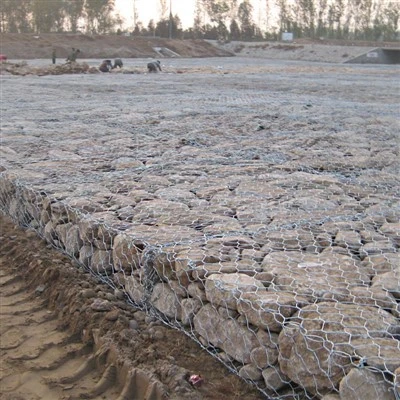
Material Quality and Inspection
First off, let’s talk about the material itself. When you’re buying woven gabion mesh, quality matters big time. You don’t wanna end up with a bunch of flimsy mesh that’s gonna fall apart on you. As a supplier, I always make sure that the mesh we offer is made from high – grade materials.
For one, check the wire gauge. A thicker wire generally means a stronger mesh. Thinner wires might save you a bit of money upfront, but they’re more likely to break under stress. I’ve had customers come to me after using low – quality mesh that got damaged during filling or under the weight of the stones. It’s a real headache, and it can cost a lot more in the long run to fix.
Also, look at the coating. Most woven gabion mesh comes with a protective coating like zinc or PVC. This coating helps prevent corrosion, which is a major issue, especially if the mesh is gonna be exposed to moisture or chemicals. Chemicals in the soil or water can eat away at the uncoated wire, weakening the mesh over time. Before you start using the mesh, do a quick visual inspection. Look for any signs of rust, peeling coating, or loose wires. If you spot any problems, don’t use that part of the mesh.
Handling and Installation
Now, let’s get into how to handle and install the woven gabion mesh safely. This stuff can be pretty heavy, especially when it’s in large rolls. When you’re handling it, make sure you do it right. Use proper lifting techniques. Bend your knees, keep your back straight, and lift with your legs. Don’t try to lift more than you can handle. If the roll is too big, get a couple of mates to help you out.
When it comes to cutting the mesh, be really careful. The wire edges can be sharp as hell. Wear thick gloves to protect your hands. And use the right tools for the job. A good pair of wire cutters will make clean cuts and reduce the risk of accidental cuts.
During installation, make sure the ground is level and stable. Uneven ground can cause the gabions to tilt or collapse once they’re filled. If you’re working on a slope, you might need to do some extra work to stabilize the area. You can dig a small trench at the base of where the gabions will go and use some stakes to secure the first layer of mesh.
Also, when connecting the mesh panels together, use the right connectors. Don’t just try to tie them up with some random string. There are specific clips and connectors designed for woven gabion mesh. These ensure a strong and secure connection, so the whole structure stays together.
Filling the Gabions
Filling the gabions is another critical step where safety is key. First, choose the right type of stones. They should be hard, durable, and free of any sharp edges. If you use stones that are too soft, they’ll break down over time. And sharp – edged stones can damage the mesh from the inside.
When you’re filling the gabions, don’t overfill them. There should be some space at the top to allow for compaction. If you fill them to the brim, the stones might push against the mesh and cause it to bulge or even rupture. Use a loader or a conveyor belt to fill the gabions if possible. This is much safer than trying to carry heavy buckets of stones up a ladder to fill the gabions on higher levels.
If you’re working in a team, make sure everyone knows their role. Coordinate the filling process so that the weight is evenly distributed across the gabions. Uneven filling can lead to instability, and nobody wants a pile of collapsing gabions on their hands.
Environmental Factors
You can’t ignore the environment when using woven gabion mesh. Weather conditions can have a huge impact on the safety and performance of the gabions. If it’s raining or snowing, it can make the ground slippery and the mesh wet. Wet mesh is more prone to slipping out of your hands during installation and can also be more difficult to work with. If the weather forecast calls for bad weather, it might be best to hold off on the installation until things clear up.
In areas with high winds, make sure the gabions are properly secured. You can use guy wires or additional stakes to keep them in place. Strong winds can topple loose or poorly installed gabions, which is not only dangerous but also costly to repair.
If you’re installing the gabions near water bodies, like rivers or lakes, you need to consider the water flow. High – velocity water can put a lot of pressure on the gabions. Make sure the structure is designed to withstand this pressure. You might need to use larger stones or a stronger mesh in these areas.
Maintenance and Monitoring
Finally, once the woven gabion mesh is installed and filled, the work doesn’t stop there. You need to do regular maintenance and monitoring. Check the mesh regularly for any signs of damage or corrosion. If you spot a small tear or a bit of rust, fix it right away. You can use a wire patch or some touch – up coating to handle these minor issues.
Keep an eye on the stones inside the gabions. If you notice any stones are starting to shift or fall out, add some more stones and make sure they’re properly packed. Also, check the connectors between the mesh panels. Over time, they can loosen up, so tighten them if needed.
Monitoring the overall stability of the gabion structure is also important. Look for any signs of tilting or sinking. If you notice any problems, take action immediately. It could be as simple as adding some extra support or refilling the gabions in certain areas.
Conclusion

So, there you have it – all the safety considerations when using woven gabion mesh. Remember, quality materials, proper handling, correct filling, awareness of environmental factors, and regular maintenance are key to ensuring a safe and successful project.
Woven Gabion Mesh If you’re planning a project that involves woven gabion mesh, I’m here to help! Whether you need advice on the right type of mesh for your project, or you’re ready to place an order, feel free to reach out. I’ve got a wide range of woven gabion mesh options to suit different needs and budgets. Let’s make your project a safe and successful one.
References
- "Construction Safety Handbook", various industry safety guidelines.
- Supplier’s product specifications and safety guidelines for woven gabion mesh.
- "Landscape Engineering Best Practices", a collection of articles on safe installation of gabion structures.
Hebei Tengshan Wire Mesh Co., Ltd.
With abundant experience, we are one of the most professional woven gabion mesh manufacturers and suppliers in China. Please feel free to buy advanced woven gabion mesh made in China here from our factory. Quality products and reasonable price are available.
Address: 300 Meters South of Beihoutuan Village, Anping County, Hengshui City, Hebei Province
E-mail: bellawiremesh123@gmail.com
WebSite: https://www.tengshan-metal.com/
