What is the Width of Foam Tape?
As a dedicated supplier of foam tape, I’ve encountered numerous inquiries regarding the width of foam tape. This seemingly simple question holds significant importance in various applications across different industries. In this blog, I aim to delve into the intricacies of foam tape width, explore the factors influencing the choice of width, and provide insights based on my years of industry experience. Foam Tape
Understanding Foam Tape Width
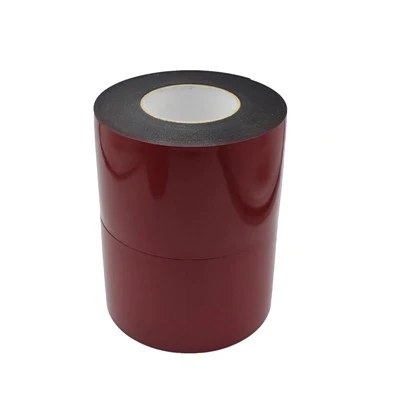
Foam tape comes in a wide range of widths to cater to diverse needs. Width is one of the primary dimensions that define foam tape, along with length and thickness. It refers to the measurement of the tape from one side to the other, perpendicular to its length. The width of foam tape can vary significantly, starting from a few millimeters to several inches or even wider in some specialized cases.
Standard Widths
In the market, there are several standard widths of foam tape that are commonly available. These standard widths are often stocked by suppliers in large quantities to meet the general demand of customers. Some of the typical standard widths include 6mm, 12mm, 18mm, 24mm, 36mm, 48mm, and 72mm. These sizes are widely used in various applications such as packaging, electronics, automotive, and construction.
Custom Widths
In addition to standard widths, many foam tape suppliers, including ourselves, offer custom width options. This is particularly useful for customers who have specific requirements that cannot be met by the standard sizes. Custom widths can be tailored to exact measurements, allowing for precise fitting and optimal performance in specific applications. Whether it’s a narrow strip for a delicate electronic component or a wide tape for a large – scale construction project, custom width foam tape can be manufactured to meet the unique needs of customers.
Factors Influencing the Choice of Foam Tape Width
Application Requirements
The application for which the foam tape is intended is the most crucial factor in determining the appropriate width. For example, in the electronics industry, where precision is key, narrow widths such as 6mm or 12mm are often used for securing small components, providing electrical insulation, or dampening vibrations. On the other hand, in the construction industry, wider widths like 36mm or more may be required for sealing gaps, weatherproofing windows and doors, or providing cushioning between building materials.
Bonding Surface Area
The width of the foam tape affects the bonding surface area. A wider tape provides a larger contact area with the surfaces being joined, which generally results in stronger adhesion. In applications where high – strength bonding is essential, such as in automotive assembly or heavy – duty industrial applications, wider foam tapes are preferred. However, it’s important to note that the bonding strength also depends on other factors such as the type of adhesive, surface preparation, and the condition of the materials being bonded.
Load – Bearing Capacity
If the foam tape is used in applications where it needs to support a load, the width can play a role in determining its load – bearing capacity. A wider tape can distribute the load more evenly over a larger area, reducing the stress on the adhesive and the foam material itself. This is particularly important in applications such as mounting heavy objects or providing support for structural elements.
Aesthetic Considerations
In some cases, the width of the foam tape can also be influenced by aesthetic considerations. For example, in the furniture industry or interior design applications, a narrow and discreet tape may be preferred to maintain a clean and uncluttered appearance. Conversely, in some decorative applications, a wider tape may be used to create a more prominent visual effect.
Measuring Foam Tape Width
Accurate measurement of foam tape width is essential to ensure that it meets the requirements of the application. When measuring the width of foam tape, it’s important to use a suitable measuring tool, such as a caliper or a ruler with fine graduations. The measurement should be taken at multiple points along the length of the tape to account for any variations that may occur during the manufacturing process.
Quality Control
As a foam tape supplier, we have strict quality control measures in place to ensure that the width of our foam tape meets the specified standards. Our production process involves precision cutting and monitoring to minimize any deviations from the desired width. Before the foam tape is shipped to customers, it undergoes thorough inspection to ensure its quality and consistency.
Ensuring Compatibility
When customers request a specific width of foam tape, we take into consideration the requirements of their application to ensure that the tape is compatible. This may involve discussing the type of surfaces to be bonded, the environmental conditions, and the expected performance of the tape. By working closely with our customers, we can provide them with the most suitable foam tape width for their needs.
Applications of Different Foam Tape Widths
Narrow Width Foam Tape
Narrow width foam tapes (less than 12mm) are commonly used in applications where precision and flexibility are required. In the electronics industry, they are used for cable management, securing small PCBs (printed circuit boards), and providing insulation between components. In the medical device industry, narrow foam tapes are used for sealing and cushioning sensitive equipment.
Medium Width Foam Tape
Medium width foam tapes (between 12mm and 36mm) are versatile and find applications in a wide range of industries. In the automotive industry, they are used for mounting exterior trim, sealing doors and windows, and reducing noise and vibration. In the packaging industry, medium width foam tapes are used for protecting products during shipping and handling.
Wide Width Foam Tape
Wide width foam tapes (greater than 36mm) are typically used in large – scale applications. In the construction industry, they are used for sealing expansion joints, weatherproofing large buildings, and providing insulation. In the signage industry, wide foam tapes are used for mounting large signs to various surfaces.
Conclusion
The width of foam tape is a critical factor that can significantly impact its performance and suitability for different applications. Whether you need a narrow tape for precision work or a wide tape for large – scale projects, understanding the various options available and the factors influencing the choice of width is essential.
Aluminum Foil Tape As a foam tape supplier, we are committed to providing high – quality foam tape products in a wide range of widths, both standard and custom. Our team of experts is always ready to assist you in selecting the most appropriate foam tape width for your specific needs. If you have any questions or would like to discuss your foam tape requirements, please feel free to reach out to us. We look forward to the opportunity to work with you and provide you with the best solutions for your foam tape needs.
References
- "Foam Tape Handbook", Industry – specific technical guide
- "Adhesive Bonding in Engineering", Academic research on bonding materials and applications
- "Advanced Manufacturing Processes for Foam Products", Publications on foam tape production techniques
Deqing Hongxin New Material Technology Co., Ltd.
As one of the most professional foam tape manufacturers and suppliers in China, we also support customized service. Please feel free to wholesale high quality foam tape in stock here from our factory. Welcome to contact us for quotation.
Address: No. 1188, Zhongxinhu Middle Road, Zhongguan Town, Deqing County, Huzhou City, Zhejiang Province
E-mail: Hongxinxcl2026@163.com
WebSite: https://www.hxnewmat.com/
