Hey there! If you’re running a municipal crew, a landscaping business, or even a farm that’s got overgrown roadsides chewing up your time, you know how messy uncut brush can get—blocked drainage, hidden safety hazards, and that “unkept” look that drags down your area. I’m not here to sell you a fancy product out of the blue; I’m the guy who’s been working with brush trimming machines for years, both selling ’em and training teams on how to actually use ’em right (no more wasting fuel or hacking up brush so bad it grows back worse). Let’s break this down like we’re chatting over a coffee—no jargon, just stuff that works. Brush Trimming Machine
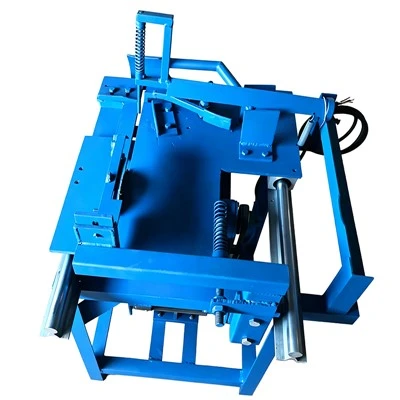
First off, let’s cut the confusion: a brush trimming machine isn’t your average string trimmer. Those little handheld ones work for small patches, but roadsides stretch for miles—you need a machine built for dense, tall brush, thorny vines, and maybe even small saplings. I’ve seen so many folks grab a random trimmer and end up stuck 3 hours in because it’s underpowered for thick blackberry brambles or oak saplings. The good ones (the ones we supply, fwiw) have a heavy-duty cutting head, adjustable height settings, and tracks or wheels that can handle uneven roadside ditches and loose gravel. That’s the base: match your machine to the job size, not the other way around.
Before you even turn the key, there are two non-negotiable steps that I’ve seen save way more time than rushing in. First, a pre-run check of the area. Grab a pair of binoculars (or a drone if you’ve got one—super handy) and scan the stretch of road you’re tackling. Look for buried drainage culverts, utility lines that run low along the shoulder, and even wildlife nests—skunks, rabbits, or birds might be living under that thick brush, and you don’t want to scare ’em or damage a water line mid-trim. Last year a crew I trained hit a 6-inch drainage pipe because they skipped this step, costing them a whole day of repairs. Not fun.
Second, suit up right. I don’t care if you’re cutting brush for 20 minutes or 2 hours—denim jeans and work boots are a start, but you need more. Steel-toe boots (those thorns hurt like hell through regular boots), eye protection (chipping brush bits fly), hearing protection (brush machines are loud—after a few hours you’ll wish you’d brought earplugs), and even gloves with grip—thorny vines will tear up flimsy work gloves. I always keep a hard hat in the truck too; low-hanging branches or loose debris can drop right on your head, and one slip is all it takes.
Now, let’s talk how to actually operate the machine—this is where a lot of guys mess up. First, adjust the cutting height. Most brush machines have a lever or dial for this; for the first pass, set it to cut 2 to 4 inches above the ground. Why not lower? Brush grows back thicker if you cut it too short, and you might hit rocks or dirt that’ll dull the cutting blade fast. That first pass is just “taking the top off” to thin out the dense growth. Wait until your second pass to lower it, especially if you’re clearing for drainage—you don’t want to cover up a culvert opening with too-short cuttings.
Next, the path you take. Don’t just drive straight and cut in one line—this is a recipe for uneven cuts and missed spots. I teach crews to do a “criss-cross” pattern for dense areas: first, go parallel to the road, 2 feet out from the shoulder, cutting a strip. Then, turn around and go perpendicular to that first strip, cutting the gaps. That way, every inch gets hit twice, no patches left behind. For ditches, angle the machine slightly so the cutting head faces downhill—this keeps cuttings from piling up in the ditch, which would block water flow. Pro tip: if you’re using a walk-behind machine (great for narrow roadsides where a riding one won’t fit), keep your body steady, don’t lean too far over the ditch, and walk at a slow, consistent pace. Rushing leads to missed spots or tripping over roots.
Now, the tricky parts: thick brush, thorny vines, and saplings. I see people try to hack through a 2-inch sapling with a string head—don’t do it. Most brush machines come with two cutting heads: a string head for thin grass and light brush, and a heavy-duty blade (like a 18-inch carbide-tipped blade) for thick stuff. Swap the head before you hit a sapling; it’ll make the cut clean in one swipe instead of jamming the machine. For thorny vines that wrap around trees or fence posts, don’t try to yank them off mid-trim—you’ll get pricked and risk pulling the fence down. Instead, cut the vine in 2-foot sections, one at a time, working your way from the top down. That’s way safer and doesn’t damage whatever the vine’s attached to.
Another big mistake I see: leaving cuttings lying around. I know, it’s faster to just leave them, but that rotting brush can cause mold, attract pests, and block drainage. After each section, pile the cuttings into a 1-foot windrow along the side of the road, not in the ditch. Once you’re done with the whole stretch, come back with a tractor or dump truck to haul them away—if you leave them for more than a week, they’ll start growing new roots and defeat the whole purpose. If you’re short on time, some brush machines have a mulching attachment that turns brush into small chips—great for small jobs, and the chips can even be spread along the roadside as a natural weed barrier.
Wait, let’s talk maintenance—because a machine that’s not cared for will break down mid-job, and that’s the worst. Before every use, check the blade or string head: if it’s dull, it won’t cut clean, and you’ll have to go over spots twice. Dull blades also put more strain on the engine, wasting fuel. After every use, wipe off the machine with a rag—brush sap and dirt can caked on, making moving parts stick. And at the end of the day, empty the fuel tank if you’re not using it for more than a week; old fuel can gunk up the carburetor. I can’t tell you how many times a crew has showed up for a big job and their machine won’t start because they left gas in it for 2 months.
Now, let’s cover some safety basics that even experienced guys skip. Never leave a running machine unattended—even if you’re just running to grab a water bottle. And if you’re working near traffic, use reflective vests and cones to mark your work area. Roadsides are busy, and drivers might not see a machine on the shoulder. Last year, a friend of mine got nicked by a car because he skipped cones; it wasn’t bad, but it was a wake-up call.
So, why does this matter? A well-cleared roadside isn’t just about looking nice—it’s about safety. Overgrown brush can hide stop signs, make it hard for drivers to see around corners, and even cause accidents when a branch falls on a car. I’ve had customers tell me that after using the right brush trimming machine the right way, their area’s accident rate went down 15% in a year. That’s the stuff that makes this job worth doing.
Let me wrap this up straight: using a brush trimming machine for roadside clearing isn’t rocket science, but it’s not just turning a key and going either. Prep the area, suit up, adjust your settings, use the right cutting head, and take your time. If you’re still not sure which machine fits your job—whether you’re clearing a 1-mile residential road or a 10-mile rural highway—hit me up. I’ve worked with crews of all sizes, and I’ll help you pick the one that doesn’t waste your time, doesn’t break down, and gets the job done right.
Belt Sander With Long Handle References
- USDA Natural Resources Conservation Service. "Roadside Vegetation Management for Drainage and Safety." 2022
- International Society of Arboriculture. "Best Practices for Brush Trimming and Equipment Maintenance." 2021
- Occupational Safety and Health Administration. "Personal Protective Equipment for Outdoor Power Tool Use." 2020
Tongcheng Shengfeng Machinery Factory
As one of the most professional brush trimming machine manufacturers and suppliers in China, we’re featured by quality products and good service. Please rest assured to buy durable brush trimming machine for sale here from our factory. Contact us for more details.
Address: Shapu Village, Qingcao Town, Tongcheng City, Anhui Province
E-mail: 15955686317@163.com
WebSite: https://www.shengfengmachine.com/
