Hey there, Fickert Brush
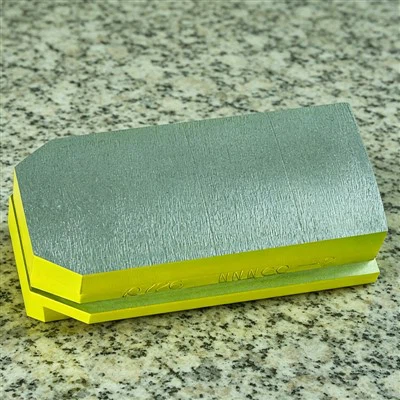
If you’re in the natural stone fabrication, concrete polishing, or tile finishing game, you’ve definitely heard of Fickert brushes—those unsung workhorses that turn rough stone slabs into smooth, usable surfaces. But let me guess: you might’ve walked into a hardware or industrial supply store, seen a stack labeled “Fickert brushes,” and thought, “Wait, are these all the same? Did I just buy the wrong one for my job?” Spoiler: you’re not alone. As someone who’s been supplying Fickert brushes for years, I’ve lost count of the times customers come to me confused about why their first set didn’t cut it on granite vs. marble. Today, let’s break down the different types of Fickert brushes—no fancy jargon, just straight talk about what works for what.
First off, let’s get back to basics: what even is a Fickert brush? For those new here, it’s a cylindrical brush made with abrasive grits embedded in a binder, right? It spins on a router or stone polishing machine to grind down uneven surfaces, smooth edges, or prep material for final polishing. But the secret lies in three main variables that make each type unique: the abrasive material, the binder type, and how the bristles (or segments, since some aren’t solid bristles) are arranged. Let’s dive into the actual types you’ll run into on a job site.
First up: Natural Abrasive Fickert Brushes. These are the OG ones, no synthetic grits here. Think sandstone, quartzite, or emery as the abrasive core. Wait, emery is just a mix of corundum and magnetite, right? Yeah, that’s the old-school stuff. These are super tough but let me tell you—they’re not for delicate jobs. We used to send these out to guys doing heavy grinding on thick granite blocs, like getting rid of tool marks from a saw. The downside? They wear down fast on soft stones, and they can leave uneven scratches if you don’t have the pressure just right. I had a customer last month who tried to use natural emery Fickerts on a delicate marble vanity top and ended up with deep gouges—total redo. Pro move here: only use natural abrasive Fickerts when you’re working with hard, dense materials that can handle the grit’s “rough and tumble” energy.
Next, Synthetic Abrasive Bonded Fickert Brushes. This is the bread and butter of what we supply most of the time. The grit here is usually aluminum oxide or silicon carbide—man-made, so you can adjust the grain size for different tasks. Let’s split this sub-type into two: sintered bond and resin bond. Sintered bond is when the abrasive is fused into a metal matrix (think bronze or iron) at super high temps. That makes the brush super rigid, perfect for heavy stock removal. I’ve seen these chew through concrete countertops like butter—they grind down high spots, smooth out formwork marks, all without falling apart mid-job. The catch? They’re not great on curved edges or thin tile because the rigid head can’t flex to match the shape. Resin bond, on the other hand, is way more flexible. The binder is a plastic or epoxy mix, so the brush can bend to fit rounded edges on mitered tile or the contour of a marble sink. We recommend resin bond synthetic Fickerts for finish prep, not heavy grinding—they’re gentler, so you won’t strip away too much material at once.
Then there’s Diamond Fickert Brushes. These are the ones that’ve taken over the industry in the last 10 years, and for good reason. Diamond is the hardest natural substance on Earth, so these brushes last way longer than any abrasive type. But wait—there’s a difference between diamond Fickerts and regular diamond tools. Fickert-style diamond brushes are designed to cover a wider surface area than a single diamond disc, so they’re faster for large slabs. Now, diamond Fickerts come in two main types too: continuous rim and segmented. Segmented diamond Fickerts have little gaps between the diamond segments—those gaps are there to clear out stone dust and debris, which prevents the brush from getting clogged. That’s a big deal, because a clogged brush won’t grind as well, and you’ll end up wasting time and material. Continuous rim diamond Fickerts are smoother, no gaps, so they give a more uniform finish. We use those for the final grinding step before polishing, when you want a super smooth base for the polishing pads. I once had a client who was doing 50 granite kitchen countertops—switched to diamond Fickerts and cut his job time by 30% because he didn’t have to stop and clean the brush every 20 minutes. The only downside? They’re more expensive upfront, but the longevity makes up for it. If you’re doing high-volume work, diamond Fickerts are worth every penny.
Wait, did I mention the difference between bristle-style and segment-style Fickert brushes? A lot of people mix this up. Bristle-style have individual abrasive fibers stuck into a cylindrical core, good for light cleaning or soft surface prep. Segment-style are the blocky ones we were talking about earlier, made of multiple abrasive segments spaced around the core. Those are for heavy grinding. I’ve seen customers buy bristle-style thinking it’s for stock removal, and they wonder why it takes forever. So that’s another type to keep in mind—style matters as much as the abrasive.
Now, let’s talk about how to pick the right one for your job, because that’s why knowing the types matters. If you’re working with granite, concrete, or thick quartz blocs—go with synthetic sintered bond or diamond segmented Fickerts for the initial grind. If you’re doing marble, limestone, or thin tile—resin bond synthetic or continuous rim diamond Fickerts, since they’re gentler and more flexible. If you’re doing light touch-ups, like buffing out a small scratch on a finished countertop, bristle-style natural abrasive will do the trick without over-grinding. I always tell customers to match the grit size too—coarser grit (like #36) for heavy removal, finer (like #220) for prep before polishing. It’s not just the type, it’s the grit grade.
Here’s a common mistake I see: buying a “one-size-fits-all” Fickert brush from a random seller online. A lot of cheap brushes use low-quality grit that falls out within the first 10 minutes of use. We test every Fickert brush we ship—we don’t send out something that’ll leave you stuck halfway through a job. For example, last week a customer told me he bought a cheap diamond Fickert from a big-box site, and it only lasted half a slab before the diamond segments chipped off. We swapped it for a high-quality segmented diamond Fickert, and he finished the rest of the job without issues. That’s the difference between knowing your types and just grabbing whatever’s on sale.
Another thing to note: Fickert brushes aren’t just for stone. We sell a lot of them to contractors doing concrete polishing, right? Concrete has aggregates that are super hard, so you need a tough abrasive—sintered bond synthetic or diamond Fickerts work best there. If you use a resin bond on concrete, it’ll wear out in minutes. Don’t ask me how I know—learn from my customer’s mishap a couple years back. He tried to use resin bond Fickerts on a concrete floor, and called me after an hour saying his brush was gone. Lesson learned: match the brush to the material, not just the task.
Now, let’s wrap this up. So to answer the question: yes, there are totally different types of Fickert brushes, categorized by abrasive material (natural, synthetic, diamond), binder type (sintered, resin), and style (bristle, segment). Each has a specific use case, and using the wrong one will cost you time, money, and a lot of frustration.
If you’re not sure which Fickert brush is right for your next job—don’t guess. Reach out, and we’ll walk you through it. Whether you’re a small tile installer or a big stone fabrication shop, we can hook you up with the right type, grit, and style to get the job done right the first time. No more wasted materials, no more broken brushes, just smooth, clean surfaces.
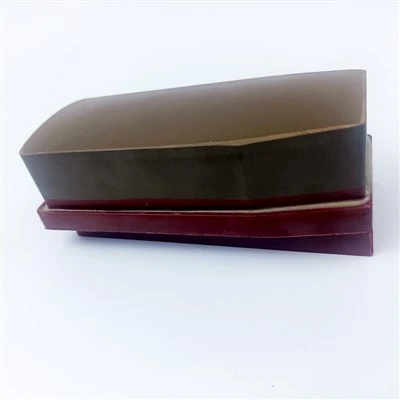
Whether you’re grinding granite for a kitchen counter, prepping concrete for a garage floor, or finishing marble for a bathroom vanity, we’ve got the Fickert brush type you need. Hit us up to chat through your requirements—we’re here to make sure you’ve got the right tool for the job, no stress.
Stone Abrasive Brush References:
- Stone Fabrication Equipment Association. (2022). Abrasive Tools for Natural Stone Finishing.
- Concrete Polishing Institute. (2021). Specialty Brushes for Concrete Surface Prep.
- Diamond Tool Manufacturers Association. (2023). Diamond Fickert Brush Technology and Application Guidelines.
Quanzhou Cheefung New Materials Co., Ltd.
As one of the most experienced fickert brush enterprises in China, we are able to meet the needs of the majority of our customers. Please feel free to wholesale advanced fickert brush made in China here from our factory. For price consultation, contact us.
Address: Jinshan Community, Licheng District, Quanzhou City, Fujian, China
E-mail: info@prostonetools.com
WebSite: https://www.prostonetools.com/
