Hey there, if you’ve ever been around an aircraft hangar—whether you’re a mechanic crawling under a 737, a pilot prepping for a cross-country, or even just passing by and smelling that distinct mix of jet fuel, hydraulic fluid, and old rubber—you know that space isn’t like a regular warehouse or a garage. As someone who’s been in the aircraft hangar supply game for over a decade, I can’t tell you how many times I’ve gotten the same question from clients, maintenance teams, and even facility managers: “What’s the actual ventilation rate we need here?” It’s not a trivial question, either—get this wrong, and you’re looking at safety hazards, compliance fines, or even that nasty buildup of fumes that can make a long workday feel impossible. Aircraft Hangar
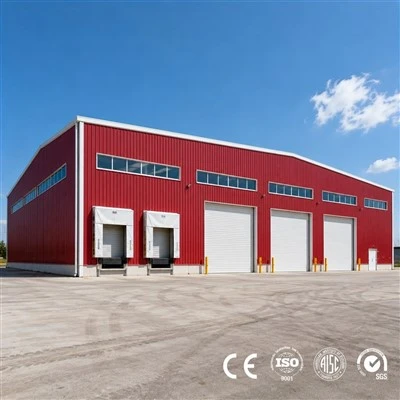
First off, let’s get one thing straight: aircraft hangars aren’t just big buildings to store planes. They’re where you do major work—engine overhauls, fuel system repairs, painting, parts washing with harsh chemicals, even just running those big auxiliary power units (APUs) that blast fumes into the air for hours. All of that stuff releases volatile organic compounds (VOCs), carbon monoxide (CO), nitrogen oxides (NOx), and those heavy, smelly jet fuel vapors that hang low like a bad fog. Ventilation isn’t just about making the air smell better; it’s about keeping people alive, keeping equipment from corroding, and following strict aviation safety rules.
So what’s the magic number here? The short answer is: it depends. But don’t worry, I’m not gonna leave you hanging with a vague “it varies” line. Let’s break this down by the most common types of hangar work, because that’s what dictates the ventilation rate. For the casual storage hangar where you’re only pulling planes in and out for short stays, you’re looking at a lower rate—usually around 6 to 8 air changes per hour (ACH). But wait, that’s only if you’re not doing any heavy work. The second you fire up an APU, start draining fuel, or blast paint, that number jumps way up. For maintenance hangars with active engine work or painting operations, we’re talking 20 to 30 ACH. And if you’re doing full aircraft painting, where you’re spraying tons of paint and solvent that’s super flammable and toxic? That’s where you get into 30 to 50 ACH. Yeah, that’s a big range, but here’s why it’s not one-size-fits-all.
Let’s talk about the science behind this, because I don’t want you just taking my word for it. ACH means how many times you replace all the air in the hangar with fresh outdoor air in one hour. Why does that matter so much? First, flammability. Jet fuel vapors are heavier than air, so they sink to the floor and can pool in low spots—like under a plane’s belly or in the corners of a hangar, especially if it’s not a perfectly flat floor. The lower explosive limit (LEL) for jet fuel is really low—like 1.4% of air, which is way less than what you can even smell. If your ventilation is too low, those vapors build up, and one little spark (from a static discharge, a power tool, even a phone) could turn into a disaster. So you need enough air flow to keep LEL levels below 25% of that number—so less than 0.35% of air, which is safe. That’s where the ACH rate comes in; higher ACH means faster dilution of those fumes before they hit dangerous levels.
Then there’s the air quality for the people working in there. Mechanics spend 8, 10, even 12 hours a day in these spaces. Breathing in CO from running engines gives you headaches and fatigue over time. VOCs from paint and solvents cause dizziness, skin irritation, and long-term health issues like respiratory problems. OSHA (Occupational Safety and Health Administration) has strict limits on how much of these chemicals workers can be exposed to in an 8-hour shift, and ventilation is the main way you hit those limits. For example, CO’s 8-hour exposure limit is 50 parts per million (ppm), so you need enough fresh air moving through to keep that below that number. Same thing for NOx from engines—it’s super irritating to the lungs, so you can’t mess around with the rate here.
Wait, but it’s not just about pumping in air—you have to get it moving the right way. A lot of people think more fans or a bigger HVAC system is the solution, but placement matters. Like I said, jet fuel vapors sink, so you need air intakes low to the ground, not just up high near the ceiling where hot air gets stuck. Also, if you’re exhausting air, you don’t want to pull all the fresh air out right away—you need to create a proper air distribution pattern, like a cross-flow, so that every corner of the hangar gets fresh air. I once worked with a client who installed huge exhaust fans up high, and for weeks they were complaining of fumes lingering by the wings. We realized the fans were pulling all the air out before it could reach the floor, so we adjusted the intakes to ground level and added some low-speed circulation fans to mix the air, and that fixed the problem instantly. That’s the kind of hands-on stuff that makes a difference, not just reading a number off a chart.
Also, don’t forget about the size of the hangar and the type of aircraft you’re working on. A hangar for a single private jet is way smaller than one that houses multiple commercial airliners. A 747 hangar has tons of open space under the giant tail and wings, so you need more air volume to cover those areas. Plus, if you’re working on turboprops vs. jet engines, jet engines release way more CO and NOx, so the rate’s higher. We had a client with a hangar that only worked on small piston planes, so their ventilation rate was around 10 ACH, but when they expanded to do narrow-body jets, we had to upgrade their system to 25 ACH—no joke, they had to replace their entire HVAC setup because the old one couldn’t keep up.
Now, let’s talk about compliance, because this is non-negotiable. Aviation is one of the most heavily regulated industries, and hangar ventilation is no exception. You’ve got OSHA in the US, FAA (Federal Aviation Administration) rules, and even local fire codes that dictate minimum ventilation rates. For example, the FAA’s Advisory Circular (AC) 150/5200-33 talks about hangar design and says that for maintenance areas, ventilation should be sufficient to control hazardous fumes and prevent flammable concentrations. If you get a health inspector or a fire marshal in your hangar, they’re gonna check those rates, and if you’re below the required number, you’re looking at fines, maybe even having operations shut down until you fix it. I’ve seen that happen to a few clients—they tried to cut costs on their ventilation system, and within 6 months they got a $50k fine and had to shut down engine work for 2 months to upgrade. That’s way more than the cost of getting it right the first time.
Here’s another thing a lot of people miss: outdoor air quality can affect this too. If you’re in a really polluted area, like near a highway or an industrial zone, just bringing in outside air might not be enough—you might need filtration systems to clean the air before it circulates. Or if you’re in a super cold climate, you don’t wanna dump all that cold outdoor air in during winter, because that’ll drive up heating costs. That’s where energy recovery ventilation (ERV) systems come in—they take the stale, dirty air out and use it to preheat the incoming fresh air, so you save on heating costs while still hitting your ventilation rate. I always tell clients that ventilation doesn’t have to be a tradeoff between safety and utility—you can have both with the right setup.
So, how do you figure out what rate is right for your hangar? It’s not just plugging into a calculator. First, list all the activities you do in the hangar—do you store planes only? Do you do engine overhauls? Paint? Parts washing? Then, calculate the volume of your hangar (length x width x height, easy enough, but don’t forget the space under and around the planes, because that counts too). Then, check the local codes and OSHA/FAA standards for that type of activity. And that’s where working with a supplier who actually knows this stuff comes in handy—we don’t just sell you a fan and send you on your way. We’ll do a site assessment, look at your current operations, your hangar size, your climate, and design a system that hits the exact rate you need, without overspending on stuff you don’t need.
Wait, let’s circle back to that original question: “What’s the ventilation rate needed in an aircraft hangar?” The real answer is that it’s tailored to your specific use case, but the key is balancing safety, compliance, and air quality. You don’t want too little air (hazards, fines, bad work conditions) and you don’t want too much (wasted energy, higher bills). I’ve seen systems that are way overkill—like a small maintenance hangar with a 100 ACH rate when they only need 25, which is a huge waste of money. And I’ve seen systems that are way too low, putting everyone at risk. That middle ground is where the right design comes in.
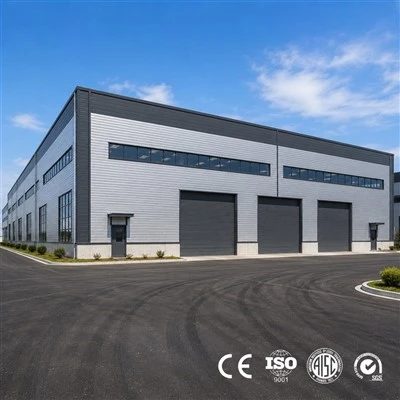
If you’re in the market for a new ventilation system for your aircraft hangar, or you’re looking to upgrade your existing setup because you’re dealing with fumes, high energy bills, or compliance headaches, we can help. We’ve worked with everything from small private jet hangars to large commercial maintenance facilities, and we know the ins and outs of all the rules and science that go into this. We don’t do one-size-fits-all packages—we sit down with you, ask all the right questions about your operations, and design a system that’s safe, efficient, and meets all your needs. Drop us a line to chat through your specific situation, and we can give you a personalized assessment and quote that makes sense for your hangar.
References
Steel Warehouse OSHA. (2023). Occupational Safety and Health Standards for General Industry – Air Contaminants.
Federal Aviation Administration. (2020). Advisory Circular 150/5200-33: Design, Construction, and Maintenance of Airplane Hangars.
American Society of Heating, Refrigerating and Air-Conditioning Engineers (ASHRAE). (2022). HVAC Applications Handbook – Aircraft Hangars.
National Fire Protection Association (NFPA). (2021). NFPA 409: Standard on Aircraft Hangars.
Liaoning Zhongbei Steel Structure Engineering Co., Ltd.
Liaoning Zhongbei Steel Structure Engineering Co., Ltd. is one of the most professional aircraft hangar manufacturers and suppliers in China, also supports customized service. We warmly welcome you to buy advanced aircraft hangar made in China here from our factory. Also, quotation is available.
Address: No. 239 – 1, Shenbei West Road, Yuhong District, Shenyang, Liaoning.
E-mail: Info@cnssgroup.cn
WebSite: https://www.cnssprefabbuildings.com/
