If you’ve ever watched a skilled artisan turn a single strand of fiber into something strong, flexible, and uniquely functional, you’ve seen the quiet power of a twisting machine. As someone who’s spent the last 15 years working with these machines—first as a technician troubleshooting for small textile shops, and now as a supplier focused on matching the right equipment to the right materials—I can tell you this: the biggest mistake people make when investing in a twisting machine is assuming it works for “any old material.” Over the years, I’ve watched businesses waste thousands of dollars on machines that jam with delicate specialty threads, break heavy industrial strands without warning, or produce inconsistent twists because they didn’t account for how different materials behave when twisted. Today, I want to break down exactly what types of materials our twisting machines can process, why each matters, and what to consider when matching material to machine capacity. Twisting Machine

Let’s start with the most common, and often misunderstood, category: natural fibers. This is the bread and butter for textile, apparel, and home goods manufacturers, and it’s where our machines are used by everyone from small hand-knit yarn producers to large-scale cotton spinning plants. Natural fibers like cotton, wool, linen, and silk each have their own quirks, and our machines are designed to adapt to those nuances. Cotton, for example, is soft, relatively uniform in diameter, and slightly elastic—so it twists evenly into yarn, thread, or even cord for sewing thread, knitting yarn, or embroidery floss. I once worked with a small business in Vermont that was making organic cotton yarn for sustainable apparel brands; they had bought a cheap used twisting machine that would produce uneven twists when processing their unbleached cotton, leading to customers returning sweaters with “thin spots” in the yarn. We swapped it for one of our mid-range vertical twisting machines, which has adjustable tension control, and within two weeks they cut their yarn defect rate by 40%. Wool is trickier: it’s crimped (which gives it warmth and texture) and has a slight natural curl, so it can snap if twisted too tightly. Our machines have a lower maximum twist torque for wool, paired with a gentle feed system that doesn’t pull the fibers too hard, which is perfect for making thick bulky yarn for blankets or fine merino for high-end socks. Linen is even more rigid than wool; it doesn’t stretch much at all, so we use machines with a slower twist speed to keep the fibers from breaking mid-process. Silk, meanwhile, is incredibly smooth and fine—we reserve our high-precision horizontal twisting machines for silk, because they can handle fibers as thin as a human hair and produce consistent twists that don’t snag on fabric during weaving.
Next, synthetic fibers are a huge growth area for our customers, especially in technical textiles and industrial applications. Synthetics like polyester, nylon, polypropylene, and acrylic are valued for their durability, resistance to moisture, and ability to hold shape, and our machines can process them in a range of forms—from fine filaments to thick monofilaments. Polyester is probably the most versatile synthetic we work with; it’s used for everything from sewing thread to upholstery fabric to tire cords. One of our regular clients makes reinforced polyester cord for heavy-duty conveyor belts, and they run our heavy-duty horizontal twisting machines 24 hours a day. The key here is that polyester has a high melting point, so we can adjust the twist tension to create a tight, strong twist without melting the fibers mid-process. Nylon is another staple; it’s stretchy, which makes it ideal for elastic threads for activewear or hiking gear. The problem with nylon is that it can stretch too much during twisting, leading to a loose, inconsistent twist. Our machines have built-in tension sensors that adjust in real-time—if a strand of nylon starts stretching beyond a pre-set limit, the machine slows down slightly until the strand stabilizes. That’s a feature that saved this client from wasting hundreds of yards of nylon thread on bad twists last year, when a batch of nylon with slightly higher elasticity than usual came in. Polypropylene, by contrast, is lightweight and water-resistant, so it’s used for rope, twine, and even fishing line. It’s more brittle than polyester, though, so we use our fast, low-torque twisting machines for polypropylene to avoid snapping. Acrylic is similar to wool in texture but man-made, so our machines can adjust twist speed to mimic the soft, crimped look of wool without the material being prone to pilling.
But here’s what many potential customers don’t realize: our machines aren’t just for single fibers. They also process blended fibers, which are everywhere in modern products. Blends like cotton-polyester, wool-silk, or nylon-spandex combine the best properties of each material, but they require precise twist control because of their different physical properties. For example, a cotton-spandex blend for yoga pants needs a tight twist that gives the thread stretch and durability, but the spandex is far more elastic than cotton. Our machines can separate the feed of each fiber type, so the cotton and spandex are twisted together evenly—no lumps, no loose strands, no yarn that snaps mid-sewing. I remember a startup in Brooklyn that was making sustainable activewear and wanted to use a hemp-cotton blend, but every other twisting machine they tried would twist the hemp (which is rigid) and cotton (soft) so unevenly that the yarn would bunch when woven. We installed a machine with a dual-feed system that lets us adjust the tension of each fiber strand individually, and now their blend is their most popular product line. Even technical blends, like those used in flame-retardant workwear or UV-resistant outdoor gear, work on our machines—we just adjust the settings based on the fibers’ melting points and flexibility.
Now, moving beyond textile fibers, our twisting machines process a range of specialty materials that cater to industrial, medical, and even artistic applications. This is where I really love working, because it’s not just about yarn anymore. For example, metal fibers and wires—think thin copper wire for electrical cables, stainless steel wire for braided hoses, or even fine gold wire for jewelry—are something our machines are designed to handle. The key here is that metal is rigid, so it can’t be twisted too quickly or with too much torque, or it will kink or break. We have a line of heavy-duty twisting machines with insulated feed rollers that prevent scratching metal wire, and adjustable twist angles to make tight, uniform braids. One client manufactures braided copper wire for electric vehicle charging cables, and they used to have to send their wire to a third-party twisting facility because their old machine couldn’t handle the consistency required for EV cables, which need to be flexible but strong enough to carry high current. Our machine cut their processing time in half and brought that step in-house, saving them an estimated $200,000 a year in outsourcing costs. We also process synthetic polymers for things like dental floss or surgical sutures; those require super fine, precise twists that don’t have any rough edges, because they come into contact with skin or delicate tissue. Our medical-grade twisting machines have sealed components to avoid contamination and pressure sensors that ensure the twist is exactly the same every single time—something that’s critical for FDA compliance, as our medical device clients will tell you. Even things like paper, for paper twine used in gardening or gift wrapping, or even natural fibers like jute and hemp for rope, work on our machines; jute is a bit rough, so we use machines with reinforced rollers to keep the fibers from fraying.
Wait a second—are there any materials our twisting machines can’t process? That’s a question I get all the time, and it’s fair. For example, materials that are too fragile to handle tension at all—like very thin carbon fiber filaments that snap if twisted even once—are not a good fit, at least not for our standard machines. We have specialized models for high-modulus carbon fiber, but those are for clients in aerospace or advanced composites, not general use. Also, materials that are not in a strand form—like solid sheets of plastic or glass—can’t be twisted, obviously. And I always caution clients about materials with high moisture content, like fresh-cut bamboo or wet wool; moisture changes the tension of the material mid-process, leading to inconsistent twists, so we recommend drying those materials first before feeding them into the machine. I’ve had a client try to process damp jute for twine once, and it caused a jam that damaged two feed rollers—we fixed it, but we also had to explain why that was a mistake, even though the jute is a natural fiber we work with all the time.
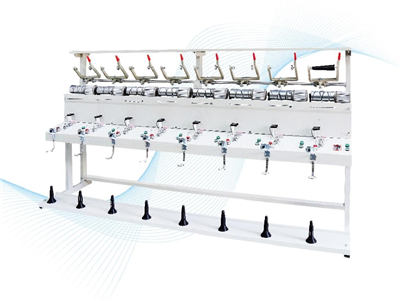
At the end of the day, the biggest thing I’ve learned after 15 years in this business is that a twisting machine is only as good as its ability to match the material’s specific needs. There’s no one-size-fits-all model, which is why we take the time to talk to every client about exactly what they’re making, what materials they’re using, and the quality standards they need to meet. Whether you’re a small yarn producer launching a new organic line, a large industrial client making reinforced cable, or a medical device manufacturer needing precise suture thread, we have a twisting machine that’s tailored to your materials and goals.
Chenille Yarn Machine If you’re currently dealing with inconsistent twists, frequent machine jams, or high outsourcing costs because your current equipment can’t handle your materials, I want to help. We work with businesses of all sizes, from startups with a single production line to large multinational corporations, and we provide on-site testing of your materials on our machines to make sure the fit is perfect before you make any investment. There’s no pressure to buy today—we just want to hear what you’re working on and help you find a solution that will make your process smoother, your product stronger, and your bottom line healthier.
References
- Textile Institute. (2022). Twisting Technology: Principles and Applications for Natural and Synthetic Fibers. Textile Progress.
- ASTM International. (2021). Standard Test Methods for Twist Strength and Uniformity of Yarn and Cord. ASTM D1422.
- Medical Device Development Forum. (2020). Manufacturing Considerations for Suture Materials: Twisting and Processing Requirements. Journal of Medical Device Regulation.
- International Cable Association. (2023). Guide to Twisting Machinery for Electrical and Optical Cables. ICA Technical Bulletin 17.
Zhangjiagang Kingkangda Machinery Co., Ltd.
Zhangjiagang Kingkangda Machinery Co., Ltd. is one of the most professional twisting machine manufacturers and suppliers in China, specialized in providing high quality customized service. We warmly welcome you to wholesale twisting machine in stock here from our factory. Contact us for pricelist and quotation.
Address: Korea Industrial Park, Fenghuang Town, Zhangjiagang City, Jiangsu Province, China
E-mail: kingkangdacn@hotmail.com
WebSite: https://www.kingkangda.com/
