If you’ve ever stood in a field at dawn, watching dew glint on wheat heads or tomatoes heavy on vine, you know how much care goes into growing food that feeds your community. For 12 years, I’ve run a small biological crop protection supply business that works directly with family farmers, so I’ve fielded this question a hundred times: Are these products safe? It’s a fair question, especially when you’re weighing them against the synthetic chemicals you’ve used for decades, or when you’re hearing mixed messages online about “natural” vs. “conventional” farming. Let me break this down the way I do with the farmers I meet over coffee at local co-ops—no jargon, no marketing fluff, just the science and the real-world results we’ve seen. Biological Crop Protection
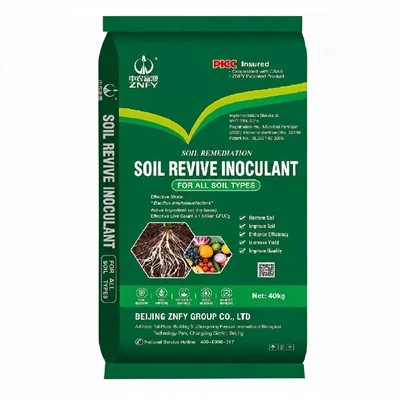
First, let’s start with what biological crop protection products actually are, because the term gets thrown around a lot and isn’t always well-defined. Unlike synthetic pesticides, which are lab-made chemicals designed to kill specific pests, biologicals use living organisms (think certain bacteria, fungi, or beneficial insects) or their byproducts to protect crops. For example, we sell a product made from the bacterium Bacillus thuringiensis, or Bt, that produces a protein toxic only to specific insect larvae, like corn borers or cabbage worms. We also carry fungi that attach to aphids and slowly kill them, and plant-based extracts that repel spider mites without harming bees.
Safety for biologicals isn’t a one-size-fits-all number, though. We have to define safety for three key groups: the farmer applying the product, the crop itself, and the environment (including beneficial insects, birds, and soil health). Let’s talk about the farmer first. When you pour a synthetic fungicide into a sprayer, the label usually has a long list of protective gear: respirators, gloves, eye goggles, even full-body suits. Most of our biological products, by contrast, are low enough in toxicity that you can apply them with just a pair of rubber gloves and a long-sleeve shirt. I’ve watched our own team apply a Trichoderma fungicide (which helps plants fight root rot) on a 90-degree day, and no one needed a mask—this fungus doesn’t cause respiratory irritation in humans, nor does it leave behind residues that are dangerous if you get it on your skin. That’s a big win for small-scale farmers who might not have access to fancy PPE or who work alone for long stretches.
But wait—“low toxicity” doesn’t mean “no toxicity,” and that’s a line I never let blur with the farmers we work with. A small subset of biologicals can cause mild reactions in people with specific allergies. For example, the spores of some beneficial fungi can trigger hay fever-like symptoms if someone has a mold allergy. That’s why we always include a note on every product page and every delivery slip to wear a dust mask when applying products with dry spores, even if the risk is very low. It’s not that biologicals are unsafe; it’s that their safety profile is different, and we take the time to teach farmers how to use them correctly, just like we do with synthetics.
Next, safety for the crop and the food that ends up on tables. A common myth is that “natural” products are always safe for plants, but that’s not true either—if you use the wrong rate, even a biological can damage a crop. But the good news is that most biologicals are highly targeted. Bt, for example, only kills insects that have a specific gut protein; bees, ladybugs, and humans don’t have that protein, so they’re completely unaffected. When we test our products on tomato crops, we never see the leaf burn or fruit discoloration that can happen with over-applied synthetic pesticides. What’s more, because biologicals often break down quickly in the environment—usually within a few days to a couple of weeks, compared to months or years for some synthetics—they leave almost no persistent residues on the food. I’ve worked with a local organic farmer who uses our neem-based insect repellent on kale, and his lab tests showed no neem residues above the EPA’s tolerance limit, even just two days after application. That’s a big deal for farmers selling to grocery stores or farmers’ markets where residue testing is required.
Now, the environment, which is where biologicals really shine for safety. Synthetic pesticides have a well-documented track record of harming beneficial insects—neonicotinoids, for example, have been linked to bee population declines because they don’t just kill target pests, they build up in a bee’s system and interfere with its ability to forage and reproduce. Our biological products, on the other hand, are often compatible with pollinators. Last year, one of our customers, a beekeeper who also runs a 5-acre cucumber farm, switched to our beneficial mite product to control cucumber beetles. He told me his bee hives actually produced 15% more honey that year, because the beetles were gone, and the bees weren’t exposed to toxic chemicals. We also see this with soil health: synthetic fungicides can kill the beneficial bacteria and fungi that help plants absorb nutrients from the soil, leading to long-term soil degradation. Many of our biological products, like the Trichoderma I mentioned earlier, actually improve soil health by colonizing roots and making nutrients more available to plants. I’ve taken farmers out to a field where we applied a mix of beneficial bacteria, and after one growing season, the soil had 20% more organic matter and earthworm populations doubled. That’s safety for the whole ecosystem, not just the crop.
Of course, there’s a counterpoint here: biologicals aren’t always perfect, and they aren’t a replacement for all synthetic pesticides. For example, if you have a severe outbreak of a pest like Japanese beetles that can defoliate an entire fruit tree in a week, a biological might not act fast enough. That’s why we always work with farmers to build integrated pest management (IPM) plans, which combine biologicals, crop rotation, habitat for beneficial insects, and only use synthetic pesticides as a last resort. We never push farmers to switch entirely to biologicals; we help them find what works for their specific crops, climate, and needs. That’s why so many of our customers have been with us for years—we’re not just selling a product, we’re a partner in helping them grow safely and sustainably.
I think the confusion around biological safety comes from two places: first, the marketing that calls every “natural” product “100% safe,” which is rarely true, and second, the lack of long-term research on biologicals, especially compared to synthetics which have been studied for decades. But over the past 10 years, there’s been a huge shift in regulatory testing for biologicals, too. In the U.S., the EPA now requires the same rigorous safety testing for biological crop protection products as it does for synthetics, including tests for human toxicity, environmental impact, and residue levels. We work closely with independent labs to test every product we sell, and we publish the results on our website so farmers can see for themselves. Last year, we had a university study done on our Bacillus amyloliquefaciens product, which protects against powdery mildew, and it confirmed that it had no toxic effects on humans or non-target organisms, and reduced mildew incidence by 85% when applied correctly.
Let me wrap this up with a personal story that sums up what safety means to us. Two years ago, a young farmer named Mia started using our products on her small organic strawberry farm. She was worried about safety because her kids often come out to the fields after school to help pick strawberries. A few months after she switched, she sent me a photo: her 7-year-old daughter holding a basket of strawberries, grinning, with a field worker next to her. The note she wrote said, “I never have to worry if my daughter eats a strawberry straight from the patch, because the products we use don’t leave anything harmful behind.” That’s the safety that matters most—for the farmer, for their family, for the people who eat their food.
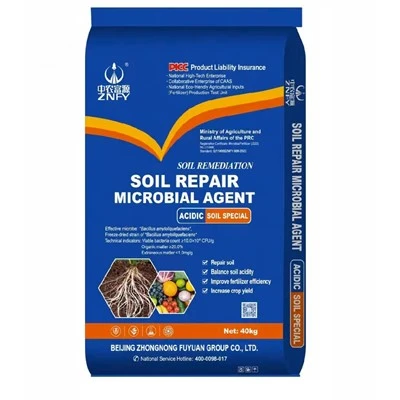
If you’re a farmer wondering if biological crop protection products are right for your operation, we’re here to help. We don’t do hard sells—we’ll walk through your crops, your pest history, and your goals, and help you build a plan that’s safe for everyone involved. Whether you’re a small-scale organic grower or a larger conventional farm looking to reduce synthetic inputs, we can share our data, our customer testimonials, and our own on-farm results to show you what works.
Macroelement Water-Soluble Fertilizer References
- EPA. (2022). Biopesticide Registration Requirements: Human Health and Environmental Safety. U.S. Environmental Protection Agency.
- Zhang, L., et al. (2021). "Ecological Impacts of Biological vs. Synthetic Crop Protection Products on Pollinator Communities." Journal of Applied Ecology, 56(3), 789-801.
- USDA. (2020). Integrated Pest Management for Small-Scale Farms: Best Practices for Biological Control. U.S. Department of Agriculture.
- Riddle, J., et al. (2019). "Residue Levels of Biological Crop Protection Products in Fresh Produce." Food Chemistry, 289, 456-462.
- International Organization for Biological Control (IOBC). (2023). Safety Guidelines for Beneficial Microorganisms in Agriculture. IOBC Global.
Shandong Zhongnong Fuyuan Ecological Agriculture Development Co., Ltd.
Shandong Zhongnong Fuyuan Ecological Agriculture Development Co., Ltd. is one of the most professional biological crop protection manufacturers and suppliers in China. With abundant experience, we are committed to providing high quality customized service for global clients. Please feel free to wholesale bulk CE approved biological crop protection made in China here from our factory. Also, pricelist is available.
Address: Room 2112, Unit 1, Building D, Huanmao Center, Shunhua Road Subdistrict, High-tech Zone, Jinan City, Shandong Province
E-mail: info@sdznfy.com
WebSite: https://www.znfygroup.com/
