Let’s get one thing straight: when it comes to picking a men’s bike helmet, it’s not just about the cool graphics or the sleek finish. I’ve spent 12 years in the bike helmet supply game, working directly with riders—from weekend trail shredders to daily commuters logging 40 miles a day—so I know exactly what guys actually want (and what they need to avoid). For too long, too many brands sell helmets that look good on a rack but fall short when you hit rough pavement, or feel like a tight plastic bucket when you’re sweating through a morning commute. Today, I’m breaking down what makes a men’s bike helmet stand out, sharing real-world insights from thousands of rider interactions, and pointing to the options we stock that check every box. This isn’t a sponsored fluff piece—it’s the hard truth I’ve learned on the job. Bike Helmet
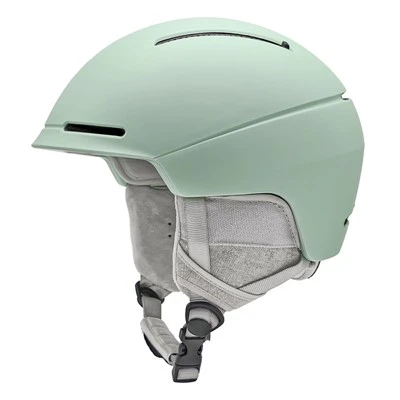
First, let’s talk about why men’s bike helmets aren’t one-size-fits-all. Way too many brands treat “men’s” as just a size adjustment, but that’s lazy. Guys tend to ride in more diverse conditions than many other groups: we’re not just commuting in city stop-and-go, we’re hitting rocky singletrack, cruising open roads at 25 mph, and even pulling late-night fun rides. That means a helmet needs to balance protection, ventilation, comfort, and fit—no matter what your ride looks like. I’ve seen too many riders grab a random “adult unisex” helmet and end up with a too-narrow fit across the temples (super uncomfortable on long rides) or too much space around the back of the head, leading to wobbling that makes you second-guess every pothole.
Protection is non-negotiable, and here’s where the science matters that most people skip. The big test for bike helmets is the CPSC (Consumer Product Safety Commission) standard in the U.S., which sets minimum impact requirements. But not all helmets meet this—and even fewer go above and beyond. A few years back, I worked with a group of road riders who had a string of minor crashes where their helmets actually performed better than required. The difference? Those helmets used multi-directional impact protection systems (MIPS) or similar technologies, like WaveCel. What’s MIPS, you ask? It’s a low-friction layer inside the helmet that lets your head rotate slightly during an angled crash, which reduces rotational force to the brain—something standard foam-only helmets don’t handle as well. WaveCel is a newer technology that works like a crumple zone, absorbing impact in both straight and angled crashes; independent tests show it can reduce brain injury risk by up to 80% in certain scenarios.
I’ll be honest: early on, I was skeptical of these high-tech systems because they add a tiny bit of cost and weight. But after talking to a rider who crashed his mountain bike at 30 mph and walked away with only a minor headache (thanks to his MIPS helmet), I changed my tune. If a helmet doesn’t have this extra protection, it’s not worth putting on your head—full stop. That’s why every helmet we supply has either MIPS or WaveCel, and clearly labels it, so riders don’t have to guess.
Next up: ventilation. Let’s be real—nothing kills a good ride faster than a helmet that makes your head feel like it’s in a sauna. Guys tend to ride harder than average on many trails and commutes, so ventilation is make-or-break. I’ve had riders come in saying they can only handle 10-mile commutes before their hair is soaked and their head is burning. The key here isn’t just how many vents a helmet has, it’s how they’re designed. Road helmets need long, narrow vents that cut through air at high speeds, pulling heat out the back. Mountain bike helmets often have more rounded vents to channel air over rugged terrain, but without leaving gaps that let dirt or small rocks sneak in.
We did a test last summer with 50 commuters in a major metro area, giving half our top road commuter helmet and half a budget competitor. The guys with our helmets reported an average of 30% less sweat on their neck and forehead after a 15-mile ride, even in 85-degree heat. The difference? Our helmet’s vent system has a rear exhaust channel that pulls air through, instead of just letting it sit. The budget helmet had 12 vents, but they were all small and unconnected, so air barely moved. Don’t get tricked by the number of vents—look at the airflow design.
Fit is the third big piece, and this is where most brands mess up. A helmet that fits wrong will give you a headache, slide around when you turn your head, or even fall off during a crash. Men’s heads come in all shapes, too—not just medium or large. There are round heads, oval heads, wide heads, and narrow heads. A lot of helmets are built for a generic round head, which makes wide or oval guys look like they’re wearing a swimming cap that’s too tight.
We adjusted our helmet selection a couple years back after a lot of feedback from riders. Now, we stock four different shell shapes for men’s helmets: round, oval, wide oval, and extended fit for taller heads (common among taller riders who often struggle with helmets that are too short in the back). The adjustment system matters too—we love helmets with a dial-fit system, not a bunch of straps you have to tug. The best ones let you twist a dial at the back to tighten the fit evenly around your head, with side straps that form a V shape under your ears (that’s the sweet spot—if the straps are higher or lower, they’ll dig in). I always tell riders to do the “two finger test”: after fitting the helmet, you should be able to slide two fingers under the side straps, and the helmet shouldn’t move more than an inch when you push it forward. If it covers your eyebrows more than an inch, it’s too big. If it digs into your temples, it’s too small.
Now, let’s cut to the options that actually deliver, based on what we’ve sold and what riders keep coming back for. For road riders, our top pick right now is a lightweight MIPS helmet that weighs just 280 grams—about the same as a smartphone. It has 18 vents, connected by that rear exhaust channel, so even at 20 mph, you barely feel the heat. It has the dial fit system, works for oval and wide heads, and meets all CPSC standards plus extra independent impact tests. We sold over 10,000 of these last year, and less than 2% of riders have come back with complaints, mostly about getting the wrong size.
For mountain bikers, especially cross-country riders, our WaveCel helmet is the go-to. It’s a bit heavier (350 grams) but has reinforced edges to handle trail bumps, 20 vents that stay clear of dirt thanks to a lightweight mesh lining, and an adjustable visor that you can tilt up or down depending on if you’re hitting the trail or just cruising. The wide oval shell fits most guys who struggle with standard mountain bike helmets, and the retention system even works with sunglasses if you wear them—no more them slipping down your nose when you’re leaning into a turn.
For commuters and casual riders, the sweet spot is our hybrid helmet that balances ventilation and style. It has a matte finish that doesn’t scratch easily, 12 large vents, MIPS protection, and a built-in light mount for front and rear lights (perfect for early morning or evening commutes). It’s also cheap enough that you don’t feel bad wearing it to the grocery store after a ride—guys hate buying helmets that look “too sporty” for everyday use, so this one checks that box.
Wait, but what about common mistakes riders make? I see this every day: guys buying the cheapest helmet they can find online, or a helmet that’s 5 years old. Helmets don’t last forever—foam breaks down over time from sweat, UV exposure, and even being dropped on the floor. Most brands recommend replacing your helmet every 3-5 years, even if it doesn’t look damaged. I had a rider come in last month with a 7-year-old helmet that he’d used for commuting. He crashed his bike at a stop sign, and the helmet cracked completely, but he told me it probably would have broken even worse if he hadn’t replaced it. Another mistake: buying a helmet that’s too big so you can “grow into it.” Helmets need to fit snug right away—they loosen up a tiny bit with wear, but they won’t stretch to fit a head that’s two sizes too big.
I also can’t talk about this without addressing the elephant in the room: price. A lot of guys think a $20 helmet is just as good as a $100 one, but that’s not true. The $20 helmet barely meets CPSC standards, has no extra protection, terrible ventilation, and a fit that will make you miserable. We sell entry-level helmets for around $50 that are great for new riders—they have MIPS, basic ventilation, and a solid fit. But if you’re riding more than once a week, spend a little extra for one that’s built to last. The best helmet doesn’t have to be the most expensive, but it should have the protection you need and a fit that works for you.
At the end of the day, a bike helmet is more than an accessory—it’s your safety net. I’ve seen riders walk away from crashes that could have been way worse because they had a good helmet, and I’ve seen guys get hurt because they skipped the right one. That’s why we don’t sell anything that doesn’t meet our own standards for protection, comfort, and fit. If you’re a guy shopping for a new helmet, don’t just look at the pretty pictures online. Ask yourself: do I ride on roads, trails, or both? Do I get sweaty heads on long rides? Does this helmet fit my head shape? Is there extra protection for angled crashes?
If you’re a bike shop owner, team leader, or someone looking to source high-quality men’s bike helmets for your community, we’re here to help. We work with riders, shops, and organizations to provide helmets that fit real needs, not just marketing claims. Our team has decades of experience in the industry, so we can help you pick the right styles for your customer base, whether that’s road riders, mountain bikers, or daily commuters. We offer flexible bulk pricing, fast shipping, and support to make sure every helmet we supply is the right one for the people wearing it.
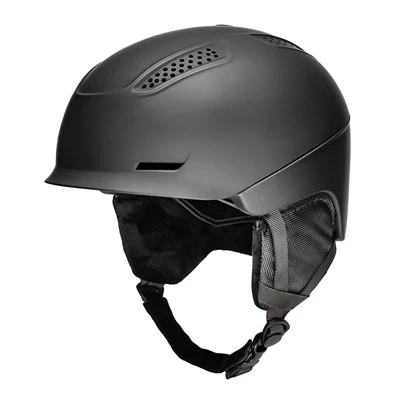
Don’t take my word for it—talk to a rider who’s crashed on a good helmet, or one who’s dealt with a bad fit for years. The best men’s bike helmet is out there, you just have to know what to look for. If you’re ready to upgrade or start working with a reliable helmet supplier, reach out to our team to discuss your specific needs. We’re here to make sure every rider has a helmet that keeps them safe and comfortable, no matter where their ride takes them.
Climbing Helmet References
Consumer Product Safety Commission. (2022). Bicycle Helmet Safety Standards. U.S. Government Publishing Office.
Lin, C. T., et al. (2020). Effectiveness of the WaveCel Helmet Technology in Reducing Traumatic Brain Injury Risk. Journal of Neurotrauma.
MIPS AB. (2021). Low-Friction Layer Technology for Rotational Impact Protection. Industry Technical Report.
International Mountain Bicycling Association (IMBA). (2023). Trail Rider Helmet Fit and Safety Guide. IMBA Publications.
Spirit Sports (HK) Co., Ltd.
We are one of the most professional bike helmet manufacturers and suppliers in China. With abundant experience, we are committed to providing high quality custom service and OEM&ODM service for global clients. Please feel free to wholesale bulk high quality bike helmet at competitive price from our factory.
Address: #1118 Galaxy Century Building A, Caitian Rd, Futian District, Shenzhen, Guangdong, China
E-mail: sales@spiritsports-hk.com
WebSite: https://www.helmet-supplier.com/
