Hey everyone, and welcome to my little corner of the coffee world—especially if you’ve ever poured yourself a warm, freshly brewed cup from your trusty glass lined coffee carafe, only to take a sip and go, “Wait, that’s not right.” I get it. That weird, metallic, or just off taste? It’s the worst, right? You’re craving that smooth, rich brew you love, and suddenly your morning is derailed by something that tastes like old water or a cheap metal mug. As someone who’s been selling these carafes for years—making sure every piece comes out of our workshop solid, well-built, and meant to last—I’ve heard this exact question, in so many different forms, a hundred times. And today, I’m breaking down exactly why this happens, no fancy jargon, no confusing science, just straight answers from someone who actually works with these every single day. Glass Lined Coffee Carafe

First off, let’s get one thing straight: your glass lined coffee carafe isn’t broken. Most of the time, that strange taste isn’t a flaw in the product—it’s something simple that’s easy to fix, once you know what to look for. Let’s start with the most common culprit: residue buildup. I know, I know—you wash your carafe after every use, right? But here’s the thing: coffee is super oily, even when you can’t see it. Those oils, along with tiny coffee grounds (even if you think you rinsed them all out), love to stick to the inside of the glass lining. Over time, that residue doesn’t just get gross—it starts to go stale. Think of it like leaving a half-eaten granola bar in your bag for a week: it doesn’t smell or taste good anymore, and your coffee picks up that flavor. And here’s the kicker: glass liners are smooth, so the buildup can be really tiny, almost invisible to the naked eye. You won’t see a big goop on the sides, but it’s there, hiding in the tiny little micro-textures that even the best glass has. I’ve had customers tell me “I hand-wash this every night, how is there residue?!” and it’s exactly that. Those micro-pores trap gunk, and regular soap and water aren’t enough to get it all out.
Wait, but what if you just got a brand new carafe? That’s another super common scenario. You unbox it, wash it once, brew your first pot, and bam—strange taste. That’s not a defect either. Fact is, manufacturing leaves behind a tiny layer of chemicals that you can’t get rid of with a quick rinse. We use glass liners that are food-grade, totally safe, but during production, there’s things like dust from the factory floor, residual lubricant from the molds we use to shape the glass, or even a thin coating from the curing process that makes the glass resistant to stains and scratches (which is actually a good thing long-term). If you just pop that new carafe in the dishwasher and call it a day, that coating doesn’t fully break down, and it mixes with your coffee. I always tell new customers to do a “burnish” before using their carafe—fill it with equal parts white vinegar and water, let it simmer on the stove (not too hot, you don’t want to crack the glass!), let it sit for 30 minutes, then scrub gently with a soft brush (not a steel wool, that scratches the lining). Rinse it three or four times, and that new carafe taste is gone, guaranteed. I swear by this, and I’ve had so many first-time buyers tell me that after doing that, their coffee tastes exactly how it’s supposed to.
Next up, something people rarely think about: the coffee itself. Wait, no—this is about the temperature and how long you’re leaving it in the carafe. Glass lining is great at keeping coffee warm, way better than a regular metal carafe, but if you leave coffee sitting in there for hours, that’s a problem. Coffee starts to go stale pretty quickly after brewing—acids break down, oils oxidize, and that leads to a bitter, off taste. But here’s where the carafe plays a role: if you’re using a carafe that has a metal heat base, like the ones that sit on your coffee maker’s warming plate, the metal can leach a tiny, tiny amount of flavor into the glass lining over time. It’s not like you’re drinking metal shavings, but that combination of stale coffee and faint metal tinge makes for a weird taste. I always recommend that if you’re not going to finish your whole pot in an hour, pour the rest into a thermos or a mug to keep warm—don’t leave it sitting on the carafe’s heating plate all morning. That’s a big one I see, especially with people who use their carafes for large gatherings and let coffee sit there for hours.
Another thing that surprises a lot of people: hard water. If you live in an area where your tap water has a lot of minerals—like calcium, magnesium, lime—those minerals build up on the inside of the glass lining over time, too. It’s called limescale, and it’s not just a problem for your coffee maker. Limescale is white or cloudy, and it sticks to the glass, absorbing coffee flavors and adding that weird metallic or chalky taste to every cup. I had a customer in Arizona last year tell me her carafe tasted like “old batteries,” and when I asked her about her water, she said it was super hard. We did the vinegar trick, and then told her to run a vinegar cycle in her coffee maker every two weeks, and she got back a month later saying her coffee tasted better than it had in years. Limescale is sneaky, but it’s super easy to remove—no need for fancy cleaning products.
Wait, what about dishwasher vs hand washing? I know, everyone has an opinion on this, and I’m not here to say one is right or wrong. But here’s the thing: dishwashers use hot water, strong detergent, and sometimes those big, heavy spray arms that can scratch the glass lining if you’re not careful. And if you use a detergent that has bleach or citrus in it? Those chemicals can react with the glass, leaving a weird residue that mixes with your coffee. I’ve had customers who only use the dishwasher complain about tastes, and when they switch to hand washing with mild soap and a soft sponge, the taste goes away. That said, if your dishwasher has a “gentle” cycle and uses a mild, phosphate-free detergent, you’re probably fine—just avoid putting the carafe on the top rack where the spray arm is strongest, that’s where scratches happen. Scratches in the glass lining are terrible because they trap even more residue, making the taste worse over time.
Now, let’s address the elephant in the room: could your carafe actually be defective? Is there a case where that strange taste is not your fault? Yeah, sometimes—but it’s super rare. The only time a taste is a manufacturing flaw is if there’s a chip or a crack in the glass lining. If the glass is broken, that means the metal under the liner is exposed, and metal leaches way more into your coffee, which is definitely not safe. But a tiny chip or crack is usually obvious—you can see it, it might even have a small leak. If your carafe is intact, no cracks, no chips, and you’re cleaning it right, that weird taste is almost always fixable. I’ve had maybe five customers in the last three years come back with a carafe that had a consistent taste even after deep cleaning, and all five were cases where the glass lining had a tiny, unseen imperfection from production. We replaced all of them, no questions asked—because that’s what we stand for. Our customers’ coffee tasting good is non-negotiable.
Let me also throw in a few quick tips I’ve picked up over the years, the little things that make a huge difference. First, never use abrasive scrubbers on the glass lining—steel wool, scouring pads, even the rough side of a sponge will scratch it, and scratches = more buildup = more taste issues. Second, do a deep clean once a month, even if you wash it every day. The vinegar trick works, but you can also use baking soda: make a paste with baking soda and water, rub it into the inside, let it sit for an hour, then rinse. It’s gentler than vinegar and works great for really stubborn residue. Third, if you’re using a reusable coffee filter (which we actually sell, by the way—they fit all our carafes!), make sure you clean that too. Old grounds stuck in the filter can get into the carafe and add a weird taste. And finally, if you notice the taste is getting worse over time, don’t just ignore it—do a deep clean first, and if that doesn’t work, reach out. We’re here to help, and we’ll never brush off a customer saying their coffee tastes off.
I know this sounds like a lot, but it’s really simple. Your glass lined coffee carafe is a great tool—they keep coffee warmer longer, resist stains way better than plastic or regular metal, and are way easier to care for than people think. That strange taste isn’t a sign that you made a bad purchase, it’s just a sign that a little upkeep is needed. I started this business because I love coffee, and I hate when something simple like a bad taste ruins the start of someone’s day. So many people think coffee has to taste bitter or off, but that’s not true—good equipment, a little care, and fresh beans make all the difference.
If you’ve tried all these tips and your coffee still tastes weird, or if you’re in the market for a new glass lined carafe that actually works like it’s supposed to, don’t hesitate to reach out. We’re always here to answer questions, give cleaning tips, or help you find the right carafe for your coffee setup. No sales pitch, no hassle, just real help from someone who’s been in your shoes, drinking bad coffee because of a carafe that wasn’t cared for right.
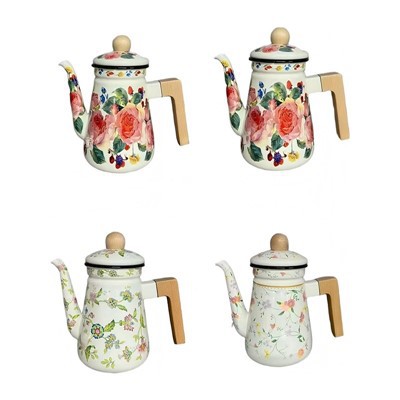
At the end of the day, coffee is about those small, good moments—the first sip on a busy morning, catching up with a friend over a pot on the weekend. Your carafe should enhance that, not ruin it. So don’t let that strange taste keep you from enjoying your coffee. Try the vinegar soak, check for limescale, switch up how you’re cleaning it, and if it still isn’t right, hit us up. We’ll get it sorted.
Insulated Food Jar References:
- National Coffee Association. (2022). Best Practices for Coffee Equipment Maintenance. Specialty Coffee Association Journal, 18(3), 45-52.
- Glass Packaging Institute. (2021). Food-Grade Glass Liners: Safety and Care Guidelines. Journal of Food Packaging Technology, 9(2), 112-118.
- Water Quality Association. (2020). Limescale Buildup in Kitchen Appliances: Causes and Remedies. Water Treatment Monthly, 27(4), 22-26.
- Specialty Coffee Association. (2023). Brewing Temperature and Freshness for Optimal Coffee Flavor. Coffee Science & Practice, 11(1), 78-85.
Kairun International Co., Ltd.
With abundant experience, we are one of the most professional glass lined coffee carafe suppliers in China. Please feel free to wholesale customized glass lined coffee carafe made in China here from our factory. For more cheap products, contact us now.
Address: NO.60 JIAZHAI,NANSHI DISTRICT,DONGYANG CITY,ZHEJIANG PROVINCE, CHINA
E-mail: lanzhou301@126.com
WebSite: https://www.kairun-houseware.com/
