Hey there! I’m a supplier in the motor and electronic control game, and I’ve seen firsthand how temperature can throw a real wrench into things. In this blog, I’m gonna break down the effects of temperature on motors and electronic control components. Motor and Electronic Control
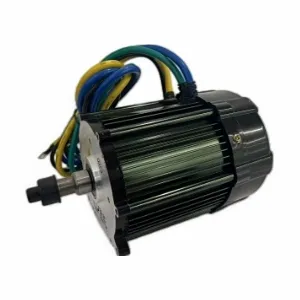
Let’s start with motors. Motors are like the workhorses of the industrial world, but they’re really sensitive to temperature. When the temperature goes up, a whole bunch of things can happen.
First off, there’s the issue of resistance. You know, all that electrical current flowing through the motor windings? Well, as the temperature rises, the resistance of the windings increases. This is basic physics, folks. The atoms in the conductor start vibrating more vigorously when it gets hot, making it harder for the electrons to flow through. So, when resistance goes up, the motor has to work harder to keep the same amount of current flowing. That means more power consumption and less efficiency. You’re basically spending more energy to get the same job done, and who wants that?
And then there’s the problem of overheating. If the temperature keeps climbing, it can cause the motor to overheat. The insulation around the windings starts to break down. This insulation is crucial because it keeps the electrical current flowing where it’s supposed to go. Once it starts to degrade, you can get short – circuits. A short – circuit is like a nightmare for a motor. It can lead to a sudden surge in current, which can damage the motor beyond repair. And let me tell you, replacing a motor is not cheap.
The lubricants in the motor also take a hit when it’s hot. Motors have bearings that need to be well – lubricated to run smoothly. High temperatures can cause the lubricant to thin out. When the lubricant gets too thin, it doesn’t provide the same level of protection for the bearings. The bearings start to wear out faster due to increased friction. This can lead to noisy operation, reduced performance, and eventually, complete failure of the motor.
Now, let’s talk about the electronic control components. These are the brains behind the operation of the motor. They regulate the speed, torque, and other parameters to make sure the motor runs the way it’s supposed to. And they’re just as affected by temperature as the motor itself.
Semiconductor devices, like transistors and integrated circuits, are a big part of electronic control systems. These little guys are very sensitive to temperature changes. When it gets hot, the characteristics of the semiconductors change. For example, the gain of a transistor can increase or decrease with temperature. This can mess up the control signals that the electronic components are sending to the motor. If the control signals are off, the motor won’t operate at the correct speed or torque, and that can lead to all sorts of problems in the system.
Capacitors are another important component in electronic control circuits. High temperatures can cause the capacitance of a capacitor to change. Capacitors are used to store and release electrical energy at the right times in a circuit. If their capacitance changes, it throws off the timing and the overall performance of the circuit. This can lead to unstable operation of the electronic control system and can ultimately affect the motor’s performance.
The soldering joints in the electronic control boards are also at risk in high – temperature environments. The solder can start to melt or degrade over time when it’s exposed to high heat. Once the soldering joints become weak, they can break, causing an open circuit in the electronics. This means that the control signals can’t reach the motor properly, and the whole system can come to a grinding halt.
On the other hand, cold temperatures can also be a problem. In very cold conditions, the materials in motors and electronic control components can become brittle. The insulation on the motor windings can crack, which exposes the conductors and can lead to electrical faults. In electronic components, the solder can contract and become more prone to cracking as well. This can cause intermittent connections or complete failures in the circuit.
So, what can we do about it? Well, if you’re using motors and electronic control systems, proper temperature management is key. You can use heat sinks on the electronic components to dissipate heat. Heat sinks are like little cooling fins that help transfer the heat away from the components and into the surrounding air. For motors, you can use cooling fans or liquid – cooling systems. These help keep the motor temperature within a safe operating range.
You also need to make sure that the environment where the motors and electronic control components are installed is well – ventilated. Good ventilation helps remove the hot air and keeps the temperature down. And if you’re operating in a very cold environment, you might need to use heaters or insulation to keep the components warm enough to function properly.
As a motor and electronic control supplier, I’ve got a wide range of products that are designed to be more resistant to temperature changes. We use high – quality materials and advanced manufacturing techniques to make sure our products can handle the heat and the cold. Whether you need a motor for a high – temperature industrial process or an electronic control system for a cold – climate application, we’ve got you covered.
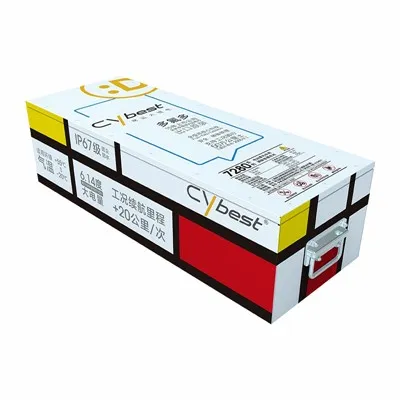
If you’re in the market for reliable motors and electronic control components, don’t hesitate to reach out. We can work with you to find the right solutions for your specific needs. Whether it’s a small – scale project or a large – scale industrial application, we have the expertise and the products to make your system run smoothly, no matter what the temperature is.
Motor and Electronic Control References:
- "Electric Motors and Control Systems" by Thomas L. Floyd
- "Semiconductor Physics and Devices" by Donald A. Neamen
Jiangsu Changyun Drive Techniques Co., Ltd.
As one of the leading motor and electronic control manufacturers and suppliers in China, we offer a wide range of products with superior quality. Please rest assured to wholesale advanced motor and electronic control from our factory. If you have any enquiry about cooperation, please feel free to email us.
Address: Building B, 1st Floor, Chuangyan Port, Science and Education City, Wujin District, Changzhou City, Jiangsu Province
E-mail: eva@czbenma.com
WebSite: https://www.cyevenergy.com/
