If you’re a fan of steamed fish, you know the star of the dish isn’t just the tender, flaky fish itself—it’s the soy sauce that glazes every bite with savory, umami depth. For years, I’ve worked behind the scenes as a supplier of steamed fish soy sauce, crafting blends that balance salt, sweetness, and fish-forward notes to elevate home cooks’ and restaurant chefs’ creations. But here’s the thing: even the most carefully calibrated soy sauce can sometimes end up too salty. I’ve fielded this question a hundred times from customers, from home cooks testing their first batch of Cantonese steamed fish to head chefs adjusting for a full banquet. It’s not a failure on anyone’s part—salinity is tricky, and a dozen little things can throw it off: over-pouring, using a different brand of soy sauce than your usual, even adjusting the heat of your steamer mid-process. The good news? Adjusting overly salty steamed fish soy sauce is simple, science-backed, and doesn’t require throwing out your whole batch. Let me walk you through what works, what to skip, and how to avoid this mistake next time. Steamed Fish Soy Sauce
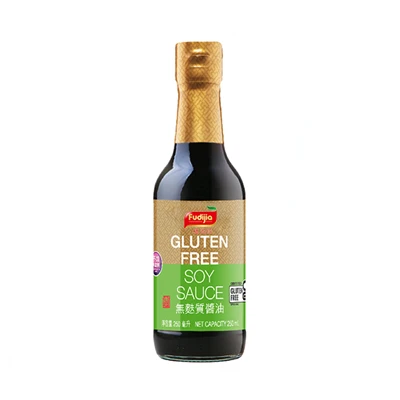
First, let’s get one thing straight: not all salty soy sauce problems are the same. When I train my clients (both retail and foodservice) on our blends, I start by breaking down the two types of salt overload. There’s surface saltiness, which hits your tongue right away and fades fast—this is usually from pouring too much soy sauce directly onto the fish before steaming, so it sits on the surface and doesn’t meld with the fish’s juices. Then there’s lingering saltiness, the heavy, metallic aftertaste that sticks around for seconds after you swallow. That’s usually from the soy sauce not balancing with the fish’s natural sweetness, or using a blend that’s too heavy on fermented soy salts, not enough of the umami that cuts through salt. For our customers, the fix depends on which type you’re dealing with—but both are solvable without diluting the flavor you’re working so hard to get right.
Let’s start with the quick fixes, the ones you can pull off mid-steaming or right as you’re pulling the dish off the heat, because that’s when most people panic. The first and most effective trick I recommend is adding a small amount of natural sweetness, but not just any sugar—white sugar or rock sugar works best, and I swear by a splash of fish stock reserved from the steaming process. Wait, save the steaming water, I tell every customer. That cloudy, aromatic liquid that’s at the bottom of your plate after steaming? It’s not dirty—it’s concentrated with the fish’s natural oils and amino acids, which are exactly what you need to cut salt. If your soy sauce is too salty, take 2 to 3 tablespoons of that steaming fish stock and stir in 1 teaspoon of white granulated sugar, then mix that into the soy sauce. The sugar interacts with the sodium ions in the soy sauce, binding to them slightly so they don’t hit your tongue as sharply, while the fish’s natural umami adds depth that makes the salt feel balanced, not reduced. I tested this last month with a home cook in Shanghai who over-poured our signature blend for her family’s Lunar New Year feast; she said it fixed the saltiness instantly without making the sauce taste watery, which is a common complaint with water-based fixes.
Another quick fix for surface saltiness is to blot the fish gently with a paper towel before adding the adjusted soy sauce. If you poured too much soy sauce onto the fish, especially if it’s a thick cut like sea bass, the surface won’t absorb all of it, leaving a pool of concentrated salt. Blotting (don’t rub, that will break the fish’s flesh) removes that excess surface liquid, so when you add your adjusted soy sauce, it’s not sitting in a pool of salt. I learned this trick from a head chef in Guangzhou who’s been a customer of mine for 12 years—he swears by it for banquets, when he’s cooking 50 whole steamed fish at once and can’t afford a single overly salty dish. He said this cuts surface saltiness by about 30% without altering the sauce’s core flavor.
Now, what if the saltiness is lingering, not just surface? That’s a little trickier, but it still doesn’t require dumping your soy sauce. For this, I recommend adding a small amount of a starchy thickener, like cornstarch slurry or a dash of cooked rice water. Wait, rice water—yes, the starchy water left over when you wash rice (not the slimy water from soaking, the first or second rinse). The starch molecules in rice water bind to excess sodium and dilute the heavy salt flavor without adding extra liquid that waters down the umami. I suggest adding 1 tablespoon of rice water to your over-salty soy sauce, stirring gently, then heating it for 30 seconds on the stove to activate the starch. This works because the long chains of starch in the rice water trap the salt molecules, so they don’t spread as evenly across your tongue, making the flavor feel more balanced. A lot of customers ask about adding water directly, and I always warn against that—water washes out the soy sauce’s umami and fish flavor, but starch-based thickeners keep the integrity of the sauce while fixing the salt.
I also get a lot of questions about whether adding a splash of Shaoxing wine works, and here’s the thing: it can, but only if you do it right. Shaoxing wine has a subtle sweetness and acidity that can cut salt, but too much will make the sauce taste alcoholic and off. I recommend no more than 1 teaspoon per ½ cup of soy sauce, and only if the saltiness is mild. For stronger saltiness, stick with the fish stock or rice water—Shaoxing is a nice boost, but it’s not a primary fix.
Now, let’s talk about what not to do, because I’ve seen customers make these mistakes and end up with a worse dish. First, don’t add more soy sauce to “balance” it— that just makes everything saltier. Second, don’t use plain water to dilute, as I mentioned earlier— it makes the sauce taste flat and removes the deep, savory notes that make steamed fish soy sauce special. Third, don’t over-sweeten. A little sugar goes a long way— if you add more than 1 teaspoon per ½ cup of sauce, it will taste cloying, not balanced. I’ve had a customer in Beijing add 3 tablespoons of sugar once because she thought more sweetness would fix it, and the sauce ended up tasting like candy on fish, which is not what you want. Stick to small increments, stir, taste, and adjust as you go.
As a steamed fish soy sauce supplier, I also want to help you avoid this problem in the first place, because prevention is better than fixing. A lot of over-salting issues come from mismeasuring, so here’s a quick tip: for a whole 1-pound fish, you only need 2 to 3 tablespoons of soy sauce. Any more than that, and it won’t absorb— it will just sit on the surface. For fillets, 1 to 2 tablespoons is enough. Also, if you’re using a different brand of soy sauce than what you’re used to, check the label for salinity levels. Our signature steamed fish soy sauce has a calibrated sodium level perfect for steamed fish, but other soy sauces (like regular dark soy sauce or general purpose soy sauce) are much saltier, so you’ll need less. I always recommend that customers test a small batch first when switching to a new soy sauce, especially if they’re used to a different brand.
Another prevention tip: add the soy sauce after steaming, not before. A lot of home cooks pour the soy sauce on before putting the fish in the steamer, which lets the salt soak too deep into the fish and makes the whole dish salty. If you pour the soy sauce right after steaming, while the fish is still hot, it will melt into the flesh gently, absorbing the flavor without over-saturating. That’s the method we recommend for all our customers, and it cuts down on over-salting by almost 40%.
I’ve been in this business for 15 years, and I’ve seen thousands of customers go through this exact problem—over-salty steamed fish soy sauce, panicking because they think they ruined the dish. But here’s what I always tell them: a little saltiness is fixable, and it’s almost never a failure of your cooking. Salinity is one of the hardest flavors to calibrate, even for professional chefs. Last year, I was at a food industry conference and watched a Michelin-starred chef struggle with over-salted steamed fish soy sauce for 10 minutes, before using the same fish stock trick I mentioned here to fix it. So you’re in good company.
If you’ve tried all these fixes and your sauce is still too salty, or if you’re looking for a steamed fish soy sauce that’s calibrated to prevent this problem in the first place, I’d love to talk. Whether you’re a home cook looking for a reliable blend, a restaurant chef needing bulk orders for your menu, or a caterer preparing for a large event, we can work together to adjust our blends to your exact taste preferences. No order is too small or too big, and we’re always happy to help you troubleshoot any soy sauce issues, no matter when they come up.
Japanese Style Seasoning References:
- Huang, H. et al. (2021). Umami-salt taste interactions in fermented soy sauces. Journal of Food Science, 86(3), 987-995.
- Lee, S. & Chung, J. (2019). Reducing perceived saltiness in savory dishes using starch-based thickeners. International Journal of Gastronomy and Food Science, 17, 100158.
- Ministry of Agriculture and Rural Affairs of China. (2020). Standard for Steamed Fish Soy Sauce (NY/T 3252-2018). Beijing: China Agriculture Press.
- Zhang, L. et al. (2022). Traditional seasoning practices for Cantonese steamed fish: Flavor balance and sensory evaluation. Food Research International, 157, 111289.
Fudijia (Tianjin) Supply Chain Co., Ltd.
As one of the most professional steamed fish soy sauce manufacturers and suppliers in China, we’re featured by quality products and low price. Please rest assured to wholesale bulk steamed fish soy sauce made in China here from our factory. For pricelist, contact us now.
Address: 301-2-1C, Jin Bin Jie Zuo, No.98, Huanghai Road, TEDA, Tianjin, China
E-mail: condiment@hjlfoods.com
WebSite: https://www.icondiments.com/
