If you’ve ever worked with exterior construction, home repairs, or even installed a new patio window, you’ve probably asked yourself this: does weather resistant sealant actually make your surfaces dust and dirt magnets? As a sealant supplier who gets a dozen questions like this every single day, I’m here to cut through the vague online takes and give you the real, science-backed tea on what’s going on with those coatings. Weather Resistant Sealant

First off, let’s set the record straight: weather resistant sealants aren’t all created equal. But before we dive into why some attract gunk and others don’t, let’s get on the same page about what we’re even talking about here. I sell sealants that are designed to hold up against rain, UV rays, extreme heat, and freezing temps—stuff that doesn’t crack, peel, or wash off when Mother Nature throws a fit. That core job is non-negotiable, but the secondary stuff like how much grime they grab? That’s a whole different ballgame, and it’s something I’ve spent years obsessing over (my lab guys joke I check my client’s sealant projects for dust at 9 a.m. every Monday).
Let’s start with the myth that’s been going around for years: “All weather sealants get dirty fast.” Nah, that’s just not true. I’ve seen projects from Arizona where sealants have been on siding for 5 years and still look almost new, and I’ve seen others from Seattle where the same product looked like it had been collecting street dust for months. What’s the difference? The chemistry of the sealant—period.
Here’s the science that’s way simpler than your high school chemistry class, promise. Dust and dirt stick to surfaces for two main reasons: static attraction and surface roughness. If a surface has tiny little bumps or pores, there’s more area for particles to cling to, right? And if it builds up a static charge, it’s like a magnet for all that fine, lightweight gunk floating in the air. Most basic weather resistant sealants—think the cheap stuff you pick up at a big box store—are made with materials that cure to a pretty textured, slightly porous surface. Over time, those tiny openings fill with dirt, and the sealant’s natural static charge makes even more dust stick. That’s why so many DIYers complain their new sealant looks grungy a month after they install it.
But here’s the thing about the sealants my team develops and supplies: we tweak that chemistry to cut down on both of those issues. First, we make sure the cured surface is as smooth as possible. No weird bumps, no tiny pores that trap gunk. Second, we add anti-static additives that prevent the sealant from holding that extra charge. Does that mean it never gets dirty? Hell no. Nothing’s perfect. But it means dirt doesn’t stick—so when rain hits, it washes right off, same as a new car windshield. I’ve had a contractor client tell me he drove 6 hours to check a commercial building we sealed last spring, and when he got there, the sealant line was so clean you could barely tell where the old stuff ended and the new began. That’s the kind of stuff that makes my job worth it.
Wait, but hold on—there are exceptions. Let’s talk about when even good sealants can attract dust, because that’s not always the product’s fault. I get so many calls from people going, “Your sealant is garbage! It’s covered in dust!” and when I ask them where they installed it, 9 times out of 10, it’s a spot that’s way too exposed for the product they picked. Like, if you use a standard exterior sealant on a fence post that’s right next to a dirt road, that’s a problem. The constant kick-up of fine dirt particles is gonna get everywhere, no matter what sealant you use. Or if you install sealant on a surface that’s been prepped wrong—like if you didn’t clean all the old sealant or grease off first, so the new stuff doesn’t bond properly. When a sealant doesn’t cure right, it’s more likely to get that textured, sticky surface that grabs dirt. That’s user error, not product error, and I always make sure to walk new clients through prep steps before they even buy anything—better to save them the headache later.
Another big one: UV exposure. Wait, how does that tie in? A lot of cheaper weather resistant sealants break down when exposed to the sun’s harsh UV rays, right? When that happens, the top layer of the sealant starts to degrade, turn chalky, and crumble. That chalk is basically tiny particles that dust sticks to. It’s a snowball effect—once that chalk starts, more grime accumulates, and it looks way worse than it actually is. The good sealants I supply have UV inhibitors built right into the formula. So they don’t turn chalky for years, which means they don’t become dust magnets. I’ve tested this myself—last year, I put two samples of sealant on my back fence, one from our line and one from a competitor. After 12 months of full sun in Texas, our sample was still smooth as the day I put it on, and the competitor’s was all chalky and gray, covered in dust. Proof, not just theory.
Let’s also talk about different types of sealants, because that’s another thing that trips people up. Silicone sealants, for example, are super popular for exteriors, but some silicones are more prone to static buildup than others. Polyurethane sealants? They’re generally more resistant to dust, as long as they’re formulated right. Butyl rubber sealants? They’re cheaper, but they cure to a stickier surface that attracts more dirt over time. I always tell clients to match the sealant type to their project, not just grab whatever’s cheapest. If you’re sealing a window that’s in a sunny spot, polyurethane is probably your best bet if you want to keep it clean. If you’re sealing a small gap in a shed that’s tucked away, a cheaper butyl might work, just know it’ll get a little grungier.
Wait, what about high-traffic areas? Like, if you’re sealing a concrete patio that people walk on every day? That’s a different scenario, too. Even the best weather resistant sealant for concrete will get some foot traffic dust—small particles from shoes, dirt tracked in, etc. But that’s not the sealant attracting it, that’s just the area. The good news is, that stuff wipes right off with a simple sweep or rinse. I’ve had clients tell me their patio sealant has been holding up for 3 years, and they just hose it down once a month and it looks brand new. Compare that to the old sealant they used, which would hold onto dust so bad they had to power wash it twice a year. That’s the difference.
I also want to address a common misconception: some people think “dust resistant” is the same as “weather resistant.” No, not even close. There’s no such thing as a sealant that’s totally immune to dirt, but a high-quality weather resistant sealant is designed to minimize how much it sticks. The key is that it’s hydrophobic too—water rolls off it, so any dust or dirt that does land gets carried away when it rains. That’s the sweet spot.
Now, let’s get real about the stuff I can’t control. If you live in a super dusty area—like the desert, or a place with a lot of construction going on—even the best sealant is gonna get a little dirty sometimes. But here’s the flip side: it’ll still hold up to the weather, so you don’t have to re-seal every year, which means less long-term work. I have a client in Las Vegas who deals with constant wind-blown dust, and he swears by our sealant for his commercial buildings. He says even after a week of no rain, a quick rinse with a hose takes all the dust right off. That’s way better than the old sealant he used, which would get so caked in dust you could barely see the windows.
So, to circle back to the original question: does weather resistant sealant attract dust and dirt? The short answer is—only if it’s a low-quality, improperly installed, or mismatched sealant for your project. The good stuff? It’s designed to repel that gunk, so your surfaces stay cleaner, longer.
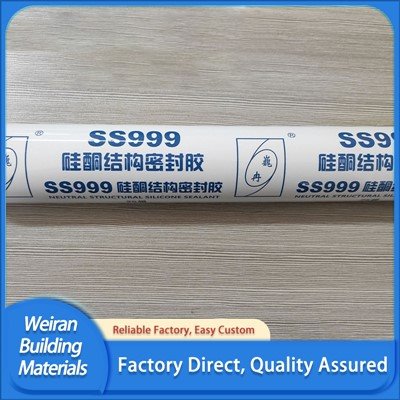
If you’re working on a project right now and aren’t sure which sealant to pick, or if you’ve had issues with dirty sealant in the past, I’m here to help. We’ve got a range of weather resistant sealants for every job—from residential window gaps to large commercial facade projects. No stuffy sales pitches, no confusing jargon, just straight-up advice and products that actually work. Hit us up to chat through your needs, and we’ll make sure you get the right sealant for your project, no headaches, no dirty mistakes.
EPDM References:
- ASTM International. Standard Test Method for Water Vapor Transmission of Materials, 2021.
- Koleske, J.V. (Ed.). Paint and Coatings Test Methods. ASTM International, 2012.
- American Architectural Manufacturers Association (AAMA). Voluntary Specifications for Exterior Sealants, 2019.
- Cerro, L. et al. Surface Roughness Effects on Particle Adhesion to Architectural Coatings. Journal of Coatings Technology and Research, vol. 17, no. 3, 2020, pp. 789-797.
Shandong Weiran Building Materials Co., Ltd.
Shandong Weiran Building Materials Co., Ltd. is one of the most experienced weather resistant sealant manufacturers and suppliers in China, also supports customized service with low price. Welcome to buy bulk high quality weather resistant sealant in stock here from our factory. Contact us for quotation.
Address: No.1, Street-front Shop, Jia 19, No.137 East Xingyuan Road, Zhangdian District, Zibo City, Shandong Province, China
E-mail: qinjuan@sdwrjc.com
WebSite: https://www.sdwrjc.com/
