If you’ve ever dug into diabetes research, you know how tricky it can be to find tools that actually mimic what’s going on in the body. As a lab peptide supplier, I get all the time from researchers asking if our peptides can actually help with diabetes work—or if they’re just another fancy lab supply that doesn’t move the needle. The short answer? They absolutely can, and they’re becoming a staple in labs for everything from studying insulin function to testing new treatments. Let me break this down, no stuffy jargon, just what I see every week from scientists using our peptides. Lab Peptide
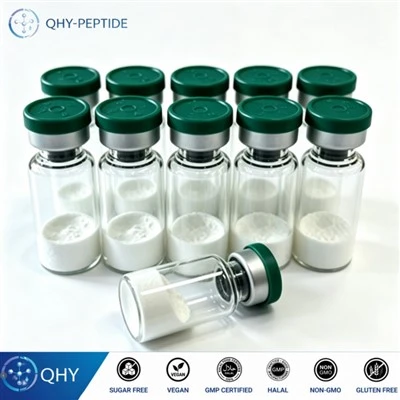
First, let’s keep it real: diabetes is a mess of different issues. There’s Type 1, where your immune system attacks the cells that make insulin (beta cells in the pancreas). Type 2, where your cells stop responding to insulin (insulin resistance), and your pancreas can’t keep up. Then there’s gestational diabetes, and even rarer types. Every research project is trying to untangle one of these knots, and peptides are perfect because they’re short chains of amino acids—building blocks of proteins—and they act like tiny messengers or regulators that target specific parts of the body, no off-target chaos.
Take insulin itself. For a long time, we used animal insulin in lab tests, but it’s not identical to human insulin. Our lab makes synthetic human insulin peptides that match exactly what your body produces. When researchers use these, they don’t have to worry about their experiments reacting to a slightly different molecule. For Type 1 research, a common test is seeing how well a new drug protects beta cells from being destroyed. You can add our insulin peptides to a dish of beta cells, then test your drug to see if it keeps the cells alive. Or, if you’re studying how the immune system targets beta cells, you can use our peptides to trigger the insulin response and watch what goes wrong. I’ve had a PhD student reach out last month saying she used our insulin analog peptide to test a new immunotherapy—without it, her results were all over the place because animal insulin doesn’t bind the same way to human receptors.
Then there’s glucagon-like peptide-1 (GLP-1), which you’ve probably heard of because of the popular diabetes meds like Ozempic. But before those meds hit the market, researchers were using synthetic GLP-1 peptides to figure out how it works. GLP-1 does a few key things: it tells your pancreas to make more insulin, slows down how fast your stomach empties (so you don’t spike blood sugar), and even makes you feel full. Our lab makes native GLP-1 and a few modified versions that last longer—super important because native GLP-1 gets broken down in minutes in the body. When a researcher is testing a long-acting GLP-1 therapy, they need a peptide that doesn’t disappear right when they add it to their test system. I talked to a postdoc last quarter who was using our stabilized GLP-1 peptide in a mouse trial for Type 2 diabetes. He said without a long-lasting peptide, he’d have to inject the mice every hour, which was messing with their stress levels and his data. Our peptide let him do once-daily injections, and his blood sugar results were way more consistent.
Another big one for diabetes research is amylin, also called islet amyloid polypeptide (IAPP). It’s made by the same beta cells as insulin, and in Type 2 diabetes, it forms clumps (amyloid) that damage beta cells. That’s a big part of why beta cells die over time in Type 2. Our lab has synthetic human amylin peptides, both normal and the clump-forming version. Researchers use these to study how amylin clumps damage cells, and to test drugs that stop that clumping. I had a lab tech reach out to order 5mg of our clump-prone amylin last year—she was working on a drug that binds to amylin and prevents it from sticking together. Her team told me their lead compound cut amyloid formation by 70% in their initial tests, and they’re moving to preclinical trials. That’s the kind of impact peptides have.
Wait, but let’s not skip the practical stuff that researchers care about. Why use lab peptides instead of other tools? For one, they’re highly specific. A lot of small molecule drugs bind to multiple receptors, which can cause weird side effects in lab tests. Peptides only target one (or a few) specific proteins, so your results are clearer. Also, they’re easier to modify. If a researcher needs a GLP-1 peptide that resists the enzyme that breaks it down, we can tweak a couple amino acids to make that happen—no big, messy chemistry required. That flexibility is huge for diabetes research, where every study might need a slightly different tool.
I get a lot of questions from researchers who say, “I can just order a peptide from another company, why yours?” Fair point. What makes our peptides work for diabetes research is that we purify them to 98% purity or higher, no leftover contaminants that can mess up cell cultures or animal trials. A few years back, a grad student told me she used a cheap peptide from a big science supply house, and her cell cultures were dying for no reason. Turned out the peptide was only 85% pure, with a byproduct that was toxic to beta cells. She switched to our amylin peptide and her cell viability went up 30% overnight. That’s the kind of mistake we help researchers avoid—we test every batch for activity and purity, so you don’t waste weeks of work on bad reagents.
But let’s be honest, there are limits. Lab peptides aren’t a cure for diabetes, and they can’t replace whole-organism studies. They’re a tool, not a magic bullet. For example, if you’re testing a new insulin pump, you still need to test it in humans. But if you’re testing how a new insulin analog binds to the insulin receptor in a dish, peptides are the way to go. Also, some peptides can be tricky to handle—they might stick to plastic, or need to be stored at -20°C to stay active. We send every order with a detailed protocol for handling, so even if you’ve never worked with peptides before, you don’t mess them up.
Another area where peptides are killing it is in developing new diabetes diagnostics. Researchers are using peptides that bind to specific markers of Type 1 diabetes, like autoantibodies that attack beta cells. These peptides can be used in blood tests to detect diabetes earlier, even before symptoms show up. A lab in Germany ordered our custom peptide last year to develop a test for kids at risk for Type 1. They said their test is 90% accurate at detecting the disease 2 years before diagnosis, which could let doctors intervene sooner and slow or stop beta cell loss. That’s the real difference peptides make—helping catch diabetes before it’s too late.
I also love that peptides are accessible. Unlike some advanced lab tools, you don’t need a billion-dollar facility to use them. A small undergrad lab can run a simple experiment with a peptide, no fancy equipment. That’s opening up diabetes research to more people who might not have the big budgets of big pharma. We work with a lot of small university labs and even high school research programs, sending them smaller quantities (like 1mg or 5mg) so they don’t have to spend a ton of money on a reagent they only need for one project.
Wait, let’s circle back to the original question: Can lab peptides be used in diabetes research? If you’re a researcher testing drug candidates, studying beta cell function, developing diagnostics, or figuring out how insulin and GLP-1 work, absolutely. We’ve supplied peptides to labs all over the world for Type 1, Type 2, and even pediatric diabetes research, and every time I hear back, it’s about how their experiments got better because of a good peptide.
Now, if you’re someone doing diabetes research—whether you’re a grad student just starting a project, a postdoc testing a new compound, or a lab tech looking for a reliable reagent—you know how important it is to have tools you can trust. We’re not just a lab peptide supplier; we’re here to help you get the right peptide for your experiment. If you’re tired of reagents that give inconsistent results, or you’re working on a custom project that needs a specific peptide, reach out to our team to chat through what you need. We can help you pick the right sequence, make sure it’s pure, and send it to you with all the tips to handle it right. Don’t waste weeks troubleshooting because of a bad lab supply—let’s work together to make your diabetes research go smoother.
Research Peptide References:
- Holz, G. G. (2004). The role of AMPK in the regulation of insulin secretion. American Journal of Physiology-Endocrinology and Metabolism, 287(3), E387-E395.
- Westermark, P., et al. (1990). Islet amyloid polypeptide: another peptide of pancreatic beta-cell origin. Diabetes, 39(11), 1403-1407.
- Drucker, D. J. (2006). Glucagon-like peptide-1. New England Journal of Medicine, 354(14), 1419-1430.
- Butler, A. E., et al. (2003). Beta-cell deficiency in type 2 diabetes. Diabetes, 52(2), 102-110.
- DeFronzo, R. A. (2009). Pathogenesis of type 2 diabetes mellitus. Diabetes Care, 32(11), 1627-1636.
QHY Bioengineering Co., Ltd.
QHY Bioengineering Co., Ltd. is one of the most professional lab peptide manufacturers and suppliers in China. Please feel free to wholesale advanced lab peptide made in China here from our factory. All customized products are with high quality and competitive price. Contact us for pricelist and free sample.
Address: Luoyang City, Henan Province, P.R.China
E-mail: manager1@qhy-bioengineering.com
WebSite: https://www.qhy-bioengineering.com/
