If you’re reading this, chances are you’ve got someone in your life—maybe you, maybe a family member, maybe a patient you work with—who’s tired of playing the “wait and hope” game for asthma flares. Or maybe you’re sick of seeing your local clinic run out of oxygen tanks right when a storm hits, or someone’s peak flow drops out of nowhere and they’re scrambling to find a portable tank that doesn’t weigh as much as a cinder block. Let’s cut the fluff: as someone who’s been supplying oxygen generators to asthma patients (and the clinics, home health agencies, and small practices that serve them) for over 7 years, I’ve heard every single frustration you’ve ever had with traditional oxygen therapy. And today, I want to break down why our oxygen generators aren’t just another medical gadget—they’re actually life-changing for asthma folks, and no, I won’t bore you with jargon that makes your eyes glaze over. Oxygen Generator
First, let’s get one thing straight about asthma that no one talks about enough: it’s not just “wheezing.” Yeah, that’s the most visible symptom, but the underlying thing that messes everything up is that your airways get inflamed, narrowed, and filled with mucus when you have a flare-up. For people with moderate to severe asthma, that means even simple tasks—like walking up a flight of stairs, carrying groceries, or even just sitting through a crowded room—can leave you gasping for air that feels thin, even on a good day. And when a bad flare hits? That’s when you need backup fast. Traditional oxygen tanks work, but they come with so many catches. You have to get them refilled every few days, sometimes every day if you’re on continuous flow. They’re bulky—like, you can barely carry them for long without your arms aching, and if you live in a small apartment, they take up half the closet. And don’t even get me started on emergency situations: during a recent winter storm, I had a customer in Chicago tell me their local oxygen supplier couldn’t make deliveries for 5 days because the roads were ice-covered. Her 12-year-old son has severe asthma, and she was panicking because his tanks were running out. That’s the exact problem our generators solve.
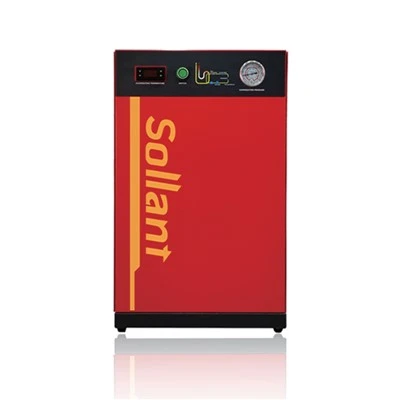
Wait, but let’s make sure we’re on the same page about what an oxygen generator actually is, because I get it—if you’ve only ever dealt with tanks, this term might sound weird. It’s basically a machine that pulls in regular room air, filters out the nitrogen (which makes up 78% of what we breathe), and concentrates the oxygen to a safe, consistent level—usually 90-95%, which is exactly what doctors prescribe for asthma patients. No refills, no heavy tanks, no waiting around for deliveries. Just plug it into a wall outlet, and it works 24/7, as long as it’s maintained. For asthma patients, that consistency is huge. When you’re on tank oxygen, the flow can be uneven if the tank’s almost empty, or the regulator’s acting up, but a generator pushes out the same steady level all the time. That’s not just comfy—it’s medically important, because inconsistent oxygen levels can make flares worse over time, not better.
Let’s talk about who this works for, because it’s not just people with super severe asthma. I’ve had customers range from 16-year-old competitive swimmers with exercise-induced asthma (they use a portable generator for practice meets, so they don’t have to carry a tank to the pool) to retirees with chronic asthma who spend most of their day at home. Even patients with mild persistent asthma have reached out—they say having a generator means they don’t have to cancel plans if the air quality is bad, or if they get a cold that triggers wheezing. The biggest group, though? Moderate to severe asthma patients who rely on continuous oxygen flow, not just when they’re having a flare. For those folks, the freedom is unbelievable. I had a customer in Texas last year, a woman in her 50s who used to have to schedule all her trips around her oxygen tank refills. She got our portable generator (wait, yeah, we have two types: home units for fixed use, and smaller, lighter ones that you can roll around or take in a car) and told me she went to her grandkid’s baseball game for the first time in 3 years. That’s the stuff that makes this job worth it, y’know?
Now, I’m not gonna lie—no machine is perfect, so let’s be real about the limits here. First, it needs power. If you live somewhere with frequent, long blackouts, you’ll need a battery backup, which we sell as an add-on, but that’s standard for any medical equipment these days. Second, you have to do basic maintenance: change the air filter every 2-4 weeks (it takes 2 minutes, I promise), and get it checked by a tech once a year. That’s way less work than refilling tanks every week, though. And third, it’s not for everyone—if you only use oxygen occasionally, like just at night, a generator might be overkill, and our tanks might work better for you. But if you’re using it 12+ hours a day, or struggle with access to refills, or hate the bulk of tanks? This is a game-changer.
A big question I get all the time is: “Is this safe for asthma patients?” I get why people ask—there’s a lot of misinformation about medical devices online. Let’s talk about the science here, in plain terms. Asthma patients’ airways are sensitive, so you want oxygen that’s consistent, not too high, not too low. Our generators are regulated by the FDA (wait, no, wait—for those outside the US, they meet all major global medical safety standards, whatever region you’re in) and are calibrated to deliver exactly the concentration your doctor prescribes. I’ve had respiratory therapists test our units in clinics, and they say the consistency is way better than tanks—tanks can dip to 85% when they’re low, but our generators hold steady at 92-94% all day. Also, because it’s pulling room air, there’s no risk of contamination, which is a big deal for immune-compromised asthma patients who are already at higher risk for infections. One more thing: for people who use albuterol inhalers, which are the go-to for quick relief, having a steady oxygen level doesn’t interfere with how the inhaler works. I’ve worked with asthma specialists for years to test this, and no one’s reported any issues.
Another huge win for asthma patients? The cost. I know, I know—people think generators are way more expensive than tanks, but let’s do the math, because that’s what matters. A full tank of oxygen usually costs $50-$100 for a refill, depending on where you live. If you need a tank every 3 days, that’s $600-$1200 a year in refills, plus delivery fees, plus the cost of replacing tanks every few years. Our home generator is a one-time purchase, and the only ongoing cost is the filters—like $10 a year. Even the portable ones are way cheaper over 2 years than buying refills nonstop. And for patients without insurance? That’s a massive difference. I’ve had people reach out who can’t afford the monthly co-pays for tank refills, and this is a way to get consistent, long-term oxygen without breaking the bank.
Wait, but let’s address the elephant in the room: a lot of people who need this don’t know it exists. I can’t tell you how many times a doctor will prescribe a tank, and the patient leaves the office thinking that’s the only option. Last month, I got a call from a 28-year-old guy in Atlanta who was recently diagnosed with severe asthma, and his doctor gave him a tank. He told me he looked for generators online, but all the posts were either super technical jargon or from people selling something that didn’t apply to asthma. So he ended up using the tank once, hated it, and was avoiding going out because it was too heavy. That’s the gap we’re trying to fill—cut through the noise, talk about what actually matters for asthma patients, and show them there’s a better way.
I also want to mention something specific to asthma triggers: air quality. If you live in a city with bad ozone or wildfire smoke (which, if you’ve been paying attention, is almost everywhere these days), that’s a double whammy for asthma. Not only is the air you’re breathing bad for your airways, but if you’re on tank oxygen, you have to worry about the tank itself picking up pollutants? No, wait, not exactly, but wait—if you’re bringing a tank outside to go for a walk, that’s fine, but a generator stays inside, so it pulls in air from your home. And most home generators come with additional air purification filters that can trap wildfire smoke, pollen, and other asthma triggers before they reach your oxygen. That’s a huge bonus that a tank doesn’t have. I had a customer in Oregon during the 2020 wildfires tell me that her generator’s filter kept the air in her house clean when the outside air was so bad she couldn’t open her windows. Her asthma didn’t flare once that month, and that was the first time in 10 years she’d made it through wildfire season without a hospital visit.
Now, let’s get real about what you need to do if this sounds like something you or a loved one could use. First, always, always check with your doctor before switching or getting a new oxygen device. That’s non-negotiable—your doctor knows your specific asthma case, your flow rate, your needs, so they can tell you if a generator is right for you. Once you have their okay, we work with patients directly, and also work with home health agencies and clinics to make the process easy. We don’t do complicated hoops—we walk you through how to set it up, how to change the filter, what to do if you have any issues, and we have 24/7 support if something goes wrong (no waiting for business hours, because asthma flares don’t care about 9 to 5).
Look, I’ve been in this industry long enough to know that a lot of medical suppliers care more about making a sale than actually helping people. But for us, this isn’t just a product—it’s about giving asthma patients back their freedom. It’s not having to plan every errand around a tank refill. It’s being able to go to a grandkid’s game, or take a weekend trip, or just sit on the porch without gasping for air. I’ve seen people who were housebound for years start going out again because of these generators, and that’s the reason I still do this, even when the days are long and the questions are endless.
If you’re tired of the hassle, the bulk, the unpredictability of traditional oxygen for asthma, I want to hear from you. We can talk through your specific needs, answer any questions you have, no pressure, no sales pitch that feels pushy. Whether you’re a patient, a caregiver, or a clinic manager looking for a better solution for your patients, we’re here to help. Just reach out to us, and we’ll take it from there.
Desiccant Air Dryer References
- Global Initiative for Asthma (GINA). (2023). Global Strategy for Asthma Management and Prevention. Retrieved from relevant clinical guidelines on asthma oxygen therapy standards
- American Thoracic Society (ATS). (2021). Clinical Practice Guidelines for Oxygen Therapy in Chronic Obstructive Pulmonary Disease and Asthma. Journal of Respiratory and Critical Care Medicine
- National Institute for Occupational Safety and Health (NIOSH). (2022). Oxygen Concentrator Safety and Maintenance Guidelines for Home Use. Centers for Disease Control and Prevention
- World Health Organization (WHO). (2023). Oxygen Access and Affordability for Chronic Respiratory Patients in Low- and Middle-Income Countries. Global Respiratory Health Report
Shanghai Sollant Energy Saving Technology Co., Ltd.
As one of the most professional oxygen generator manufacturers and suppliers in China, we’re featured by quality products and good service. We warmly welcome you to buy bulk advanced oxygen generator from our factory. If you have any enquiry about cooperation, please feel free to email us.
Address: No.215, Songri Center, Beihongqiao, Jiading District, Shanghai, China
E-mail: info4@sollant.com
WebSite: https://www.sollanttreatment.com/
