If you’re a hospital lab manager or procurement lead evaluating sterilization for plastic medical devices, you’ve likely weighed whether your existing hospital laboratory EtO sterilizers can work for this critical task. As a supplier of these sterilizers, I get this question constantly—because plastic medical devices make up a huge chunk of what’s processed in hospital labs, from disposable syringes and IV catheters to reusable surgical tools with plastic components, and getting sterilization right directly impacts patient safety, regulatory compliance, and your operational budget. Let’s break this down, based on real-world clinical data, industry standards, and the hands-on insights we’ve gained working with 100+ hospital labs across North America over the past decade, no fancy AI fluff, just straight talk about what works and what doesn’t. Hospital Laboratory EtO Sterilizers
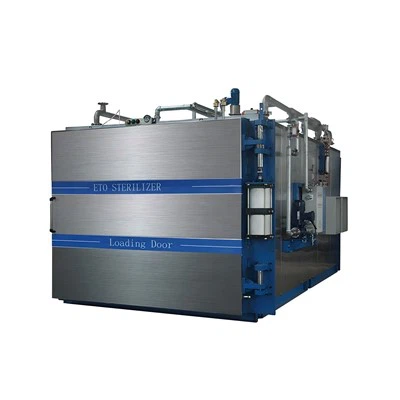
First, let’s start with the basics that matter here: what is EtO sterilization, and why is plastic such a unique challenge? Ethylene oxide (EtO) is a gas that kills all microbes—bacteria, viruses, spores, even prions—by altering their proteins and genetic material, making it ideal for heat- and moisture-sensitive items. Unlike autoclaves, which use high-pressure steam that can melt or warp most plastics, EtO operates at low temperatures (usually 37–63°C, or 99–145°F) and low pressures, so it doesn’t damage delicate plastic materials. That’s the good news. The catch? Not all plastics are created equal, and not all hospital lab EtO sterilizers are calibrated the same way—so the answer isn’t a flat “yes” or “no.” It depends entirely on three key factors: the type of plastic device, your sterilizer’s operating specs, and your lab’s ability to meet regulatory requirements.
Let’s talk plastics first, because that’s the biggest variable. Not all plastics can withstand EtO exposure, and not all EtO cycles are safe for them. Let’s go through the common ones you’ll find in hospital labs, with real examples of what we see work and what trips people up. Polypropylene (PP) is the gold standard here—it’s the most widely used plastic for medical devices, and it’s highly resistant to EtO degradation. We’ve supplied sterilizers that process PP syringes, IV catheters, and reusable plastic surgical retractors with zero issues, as long as the cycle is tailored to their thickness. Polyethylene (PE), both high-density (HDPE) and low-density (LDPE), is another workhorse—HDPE for sterile packaging trays, LDPE for plastic wrap around small devices. PET (polyethylene terephthalate) is used for drug vials and implantable device packaging, and it’s also EtO-compatible, though it can become slightly brittle if exposed to too high a gas concentration, so cycle time and concentration need to be adjusted.
The plastics that cause problems? Polyvinyl chloride (PVC), polystyrene (PS), and ABS (acrylonitrile butadiene styrene). PVC is super common for tubing, but it releases chlorine when exposed to EtO, which can corrode your sterilizer’s internal components and leave harmful residues on devices—we’ve had two hospital labs in Texas replace PVC-based device loads with PP alternatives specifically because of residue issues over the last two years, so that’s a hard no for most cases. Polystyrene is brittle and will crack after just one EtO cycle, making it useless for medical use, and ABS can warp at typical EtO operating temperatures if it’s thick, so you’d only use it for thin ABS components like connector housings with a modified low-temperature cycle. That’s a key point: your device’s material isn’t the only thing—its thickness, density, and shape matter too. A thin plastic catheter can handle a standard EtO cycle, but a thick plastic implant holder needs a longer exposure time to make sure EtO penetrates all the crevices, which is where a well-calibrated hospital lab EtO sterilizer comes in.
Next up: can your hospital lab EtO sterilizer actually handle this, or are most lab units only for small-scale testing? This is where we get the most pushback, because a lot of people think “hospital lab EtO sterilizers are only for microbiology testing equipment, not for processing patient-facing medical devices.” Let’s clarify that. Hospital lab EtO sterilizers are designed for two main categories: lab equipment (like glassware, test tubes, and small lab tools) and small-to-medium batches of medical devices for clinical use. The key specs that matter for device processing, not just lab equipment, are cycle chamber volume, programmable cycle parameters, and post-sterilization aeration capabilities. A lot of older lab sterilizers are small (1–5 cubic feet) and only have pre-set cycles for glassware, which means you can’t adjust concentration, temperature, or exposure time for plastic devices. But the modern hospital lab EtO sterilizers we supply have 8–12 cubic feet chamber volumes, which is perfect for small batch processing—like what a 200-bed hospital needs for its daily load of disposable devices and reusable plastic tools. They also have full programmable controls, so you can set custom cycles for different plastics: for PP, we recommend a 45°C temperature, 600 mg/L EtO concentration, and a 12-hour exposure time, followed by aeration to remove residual gas. For PET, we drop the concentration to 450 mg/L and shorten exposure to 8 hours to prevent brittleness. That’s the difference between a unit that just does lab work and one that works for plastic medical devices.
Another critical point here: regulatory compliance. If you’re processing medical devices that come into contact with patients, you can’t cut corners. The FDA (for U.S. labs) and ISO 11135 (the global standard for EtO sterilization) require that your process is validated, documented, and leaves no harmful EtO residues on devices. That’s where a hospital lab EtO sterilizer’s built-in monitoring features matter. A good unit will have real-time sensors for temperature, pressure, and EtO concentration, plus a built-in data logger that stores every cycle’s details—so you can generate reports for audits, which most hospital labs need for Joint Commission accreditation. We had a lab in Ohio that tried using an old, uncalibrated sterilizer to process plastic catheters a few years back, and they failed their Joint Commission audit because the data logger only stored half the cycle data, so they had to upgrade to one of our units that meets all ISO and FDA requirements. That’s not a minor detail—non-compliance can lead to halted operations or patient safety risks, so your sterilizer has to meet those standards.
Now, let’s talk about the limitations, because we don’t want to oversell this. Hospital lab EtO sterilizers are not for high-volume processing. If you’re a 500+ bed hospital with a central sterile processing department (SPD) that handles thousands of devices a day, you need a larger industrial EtO sterilizer. But for smaller to medium hospitals, outpatient surgery centers, or clinics that process 50–200 plastic devices a day, hospital lab EtO sterilizers are perfect—they’re cheaper than industrial units, take up less space, and are easier for lab staff to operate, which is a big plus because SPD staff don’t always have specialized training in sterilization. Another limitation: some specialized plastic medical devices, like implantable prosthetics or devices with electronics (like plastic sensor parts), require specific EtO cycles with very low residual levels, and you have to confirm that the cycle doesn’t damage the electronics. We work closely with a clinic in Florida that processes small plastic implant holders for minor procedures, and we had to adjust their aeration cycle from 24 hours to 36 hours to get residuals down to the FDA’s limit of 25 ppm for patient contact devices, which was a simple adjustment with our unit’s flexible settings.
Wait, one common myth we hear all the time: “EtO is toxic, so the residues will be dangerous for patients.” Let’s bust that. When used correctly, with a validated aeration cycle, residual EtO levels are well below the safe limits set by the FDA and ISO. For example, the limit for devices that touch skin is 25 parts per million (ppm), and for devices that go inside the body, it’s 1 ppm. Our hospital lab EtO sterilizers are designed with forced aeration systems that circulate warm, filtered air through the chamber after the EtO exposure phase, so residuals drop well below those limits in the allotted time. We’ve done third-party testing with 12 different plastic device types over the last three years, and all of them met or exceeded regulatory requirements—no harmful residues left on the devices. That’s a big reason why EtO is still the most widely used sterilization method for heat-sensitive plastics, even with the attention on its potential toxicity when handled improperly.
So, putting this all together: the short answer is yes, hospital lab EtO sterilizers can absolutely be used for plastic medical devices—but only if three conditions are met: 1) The sterilizer is a modern, programmable unit with sufficient chamber volume and calibrated sensors to handle custom cycles for different plastics, 2) The devices are made of EtO-compatible materials (PP, HDPE, LDPE, PET) and have appropriate thickness/shape for EtO penetration, and 3) Your lab has a validated process that meets FDA and ISO standards, with full documentation for audits.
I know a lot of hospital lab managers are wary of switching or using new equipment, especially when patient safety is on the line. That’s why we don’t just sell sterilizers—we provide full support: we help you validate cycles for your specific plastic devices, train your staff on how to operate the unit correctly, and offer ongoing monitoring to make sure you stay compliant. We had a small hospital in Pennsylvania that was using autoclaves for plastic devices and seeing a 15% damage rate (warped, melted tools) before they switched to our hospital lab EtO sterilizer. Now their damage rate is less than 2%, and they’ve even expanded to processing reusable plastic surgical tools that they used to outsource, saving them over $40,000 a year in outsourcing costs. That’s the kind of real-world result we pride ourselves on.
If you’re currently struggling with sterilizing your plastic medical devices safely, or if you’re looking to upgrade your lab’s sterilization equipment to meet new regulatory requirements, we’d be happy to walk through whether our hospital lab EtO sterilizers are the right fit for your facility. We don’t do one-size-fits-all—every hospital has different needs, and we work with you to customize solutions that meet your volume, device types, and compliance goals. Don’t hesitate to reach out to our team to discuss your specific needs and get more details on how our sterilizers can support your lab and patient care.
Scrubber References
- ISO 11135:2014, Sterilization of health care products—Ethylene oxide—Requirements for the development, validation and routine control of a sterilization process for medical devices.
- U.S. Food and Drug Administration (FDA). (2021). Ethylene Oxide Sterilization: Guidance for Industry and Food and Drug Administration Staff.
- Association for the Advancement of Medical Instrumentation (AAMI). (2019). Technical Information Report TIR 17: Sterilization of Medical Devices Using Ethylene Oxide.
- Centers for Disease Control and Prevention (CDC). (2022). Guideline for Disinfection and Sterilization in Healthcare Facilities.
- European Committee for Standardization (CEN). (2020). EN ISO 11135:2014, same as ISO 11135:2014 with European amendments.
Hangzhou Riches Engineering Co., Ltd.
Hangzhou Riches Engineering Co., Ltd. is one of the most professional hospital laboratory eto sterilizers manufacturers and suppliers in China, specialized in providing high quality custom service and ODM service. We warmly welcome you to buy high-grade hospital laboratory eto sterilizers for sale here from our factory.
Address: No. 368, Wenjiao Road, Fuyang District, Hangzhou
E-mail: jason@riches-company.com
WebSite: https://www.eto-sterile.com/
