If you’ve ever found yourself staring at a crate of Sinotruck HOWO parts that should’ve worked perfectly but don’t—because a valve rusted, a seal cracked, or a wiring harness turned brittle long before it was installed—you know how frustrating poor storage can be. I’ve been in this industry for 12 years now, as a Sinotruck HOWO parts supplier, and I’ve seen hundreds of thousands of dollars in inventory go to waste because a warehouse team cut corners on storage. It’s not just about stacking parts on shelves; it’s about matching storage conditions to each specific part type, staying consistent, and knowing how to spot issues before they turn into full-on failures. Over the years, I’ve worked closely with fleet mechanics, warehouse managers, and even Sinotruck’s engineering team to refine my company’s storage processes, and today I’m sharing what actually works—no generic “storage 101” jargon, just real-world lessons from a supplier who’s seen the good, the bad, and the rusted. Sinotruck HOWO Parts
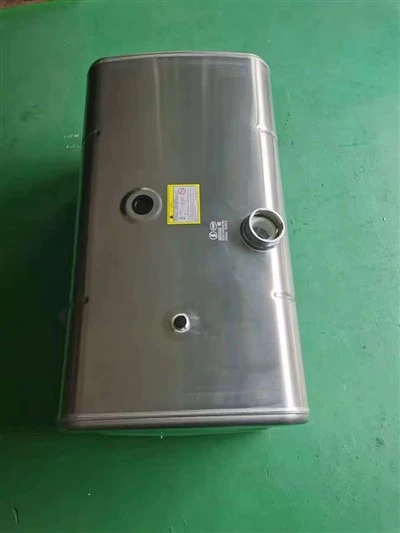
First, I need to start with the foundation of good storage: separating parts by type, because every HOWO part has a unique “personality” when it comes to preservation. Let’s break this down, because this is where most new suppliers or small fleet yards go wrong. I once had a regular customer, a logistics company with 20 HOWO dump trucks, who stored all their parts in one unheated, uninsulated garage. Over a single winter, their stock of rubber engine mounts shrank by 40%—cracking, hardening, and becoming unusable—while their metal brake calipers developed pitting rust that required full replacement instead of just a quick clean. That’s not an anomaly; it’s what happens when you treat a rubber seal the same as a cast iron transmission component.
Let’s start with metal HOWO parts—this is the biggest category, from brake drums and camshafts to engine blocks and axle housings. Metal parts are prone to two main threats: corrosion and physical damage. The biggest mistake we see here is leaving metal parts exposed to ambient moisture or stacking heavy parts on top of smaller, delicate ones. For all ferrous metal HOWO parts, we recommend a two-step process: first, a light wipe-down with lint-free cloths and food-grade mineral oil (we avoid petroleum-based solvents because they can leave a sticky residue that attracts dirt), followed by placing them in sealed plastic bins or wrapping them in vapor corrosion inhibitor (VCI) paper. VCI paper is non-negotiable for long-term storage—its microscopic molecules form a protective layer on metal without needing to be reapplied, which is a game-changer for parts sitting on shelves for 6+ months. We also never stack more than two heavy metal parts (like transmission cases) on top of each other, because the weight can warp softer metal parts like brake rotors, which throws off their balance when installed, leading to uneven brake wear and safety risks. For non-ferrous metal parts—like aluminum pistons, brass fuel injectors, or copper wiring terminals—we skip the oil, because it can corrode aluminum over time. Instead, we store these in dry, ventilated bins lined with desiccant packets, and we make sure they’re not touching ferrous metal parts, which can cause galvanic corrosion when moisture gets trapped between them. I learned that lesson the hard way: a batch of aluminum HOWO pistons sat next to a stack of steel bolts in our old warehouse, and within three months, the pistons had developed a faint but irreversible corrosion layer that meant we had to scrap the entire lot. That mistake cost us $1,800, and it’s one I never forgot.
Next, rubber and plastic HOWO parts—this is another high-risk category, from coolant hoses, O-rings, and gaskets to plastic interior panels, fuel tank seals, and timing belt covers. These parts degrade when exposed to extreme temperatures, UV light, oil, or ozone, and the damage is almost always permanent, even if the part looks fine on the surface. For rubber parts, we store them in temperature-controlled areas, between 50°F and 75°F (10°C to 24°C), because temperatures below freezing make rubber brittle, and temperatures above 80°F (27°C) accelerate the breakdown of rubber’s molecular structure. We also keep them away from any direct sunlight or overhead fluorescent lights, because UV rays crack rubber—we once had a run of 50 HOWO fuel return hoses that were stored on an open pallet near a loading dock, and by the time a customer picked them up, they were too brittle to bend without cracking. For plastic parts, we make sure they’re not stored near any chemical fumes—like the ones that come from stored metal cleaning solvents or even certain types of cardboard (some cardboard has chemical coatings that can eat away at plastic over time). We also never stack heavy metal parts on top of plastic fuel tanks or interior panels, because even a small dent in a plastic fuel tank can lead to leaks that become a safety hazard once the truck is on the road. A quick pro tip: if you’re storing a rubber or plastic part long-term, add a small label noting the manufacturing date. Rubber and plastic parts have a shelf life, even if they’re unused—HOWO’s engineering team tells us most rubber hoses have a 5-year shelf life from production, so if you’re storing a part past that, you should inspect it for cracking before selling or installing it.
Then there are electrical and electronic HOWO parts, which are often the most expensive to replace: ECMs (engine control modules), wiring harnesses, alternators, starters, and sensor modules (like ABS sensors, camshaft position sensors). These parts are incredibly sensitive to moisture, dust, and even static electricity. We store all electrical parts in anti-static packaging—original factory packaging works best, but if you don’t have that, static-shielding plastic bags are a must. We never open the anti-static packaging until we’re ready to install the part, because even a small static discharge (which you can’t feel) can damage a sensor’s circuit board, causing it to fail prematurely. We also keep electrical parts in dry, dust-free bins, away from any areas with high humidity (like our loading dock, where humidity can spike in the rainy season). A few years ago, we got a batch of new HOWO ABS sensor modules that were delivered in factory packaging, but our warehouse team moved them to a general shelf to make room for a delivery of engine parts. Within two months, three of the 20 sensors had failed—we later found out the shelf was near a leaky roof, and moisture had seeped through the packaging, damaging the circuit boards. We now have a dedicated, locked cabinet for all electrical HOWO parts, which stays at a constant 45% humidity year-round, and that mistake never happened again.
Once you’ve sorted parts by type, the next key to correct storage is organization and inventory rotation. I’ve seen too many suppliers let parts sit on shelves for years, and by the time a customer orders them, they’re useless. We use a first-in, first-out (FIFO) system for every part in our warehouse. That means the oldest parts are stored at the front of the shelf, so our pickers grab them first, before newer parts. We also label every bin with the part number, manufacturing date, and expected shelf life, so we can quickly identify parts that are approaching the end of their usable life. For example, a rubber coolant hose with a 2018 manufacturing date is clearly marked for priority use or clearance, so it doesn’t get shipped to a customer in 2024, when it’s already near the end of its shelf life. We also conduct a monthly inventory check, where we pull 10% of our stored parts and inspect them for signs of damage: rust on metal parts, cracking on rubber/plastic, moisture or dust in electrical packaging. This small step has saved us a lot of trouble—last year, we caught a batch of metal HOWO valve seats that had developed light surface rust after a minor temperature spike in our warehouse, and we were able to clean them and reapply VCI paper before they developed permanent pitting, saving us $1,200 in scrap costs.
Another often-overlooked factor is warehouse environment control. If your warehouse is uninsulated, with no climate control, you’re going to have issues with parts, especially through seasonal changes. We invested in a basic insulation and ventilation system for our warehouse 8 years ago, which cost us about $15,000 at the time, but we’ve recouped that cost multiple times from reduced scrap and customer complaints. For smaller operations that can’t do full climate control, there are affordable fixes: use dehumidifiers in damp areas (like basements or areas near loading docks), cover shelves with tarps to protect parts from rain or snow during delivery, and move parts indoors if temperatures are going to drop below freezing or rise above 85°F for more than a day. We also avoid storing parts near heating units or air conditioning vents, because extreme temperature fluctuations can cause condensation to form inside packaging, which leads to rust or electrical damage.
Finally, no storage routine is complete without proper handling, because even if you store parts perfectly, a bad move can ruin them. When we receive parts from Sinotruck or our other suppliers, we have a specific team member who inspects each shipment for damage, and immediately sorts it into its designated storage area—no leaving crates on the floor. We never drag parts across concrete, because that can scratch metal parts or tear rubber seals, and we use hand trucks for heavy parts instead of lifting them by hand, which reduces the risk of dropping and damaging delicate components. We also train all new warehouse staff on HOWO parts storage specifics in their first week on the job, not just general warehouse safety. It’s worth the time and effort—one of our newest staff members noticed a stack of rubber HOWO door seals was leaning against a metal crate, and moved them to a separate shelf, preventing the metal from scratching the rubber. That small action saved us $500 in replacement parts, and it’s a reminder that every team member plays a role in proper storage.
At the end of the day, correct storage of Sinotruck HOWO parts isn’t rocket science—it’s about paying attention to details, knowing what each part needs to stay functional, and being consistent. As a supplier, our job isn’t just to sell parts; it’s to make sure those parts work when our customers install them, whether the part is shipped next week or stored for 12 months. I’ve built my business on that promise, and by following these steps, you can avoid the costly mistakes I made early on, too.
If you’re a fleet manager, a workshop owner, or a fellow HOWO parts supplier looking to refine your storage process, or if you need reliable, properly stored Sinotruck HOWO parts for your operations, feel free to reach out to our team to discuss your specific needs. We’re always happy to share more tips, answer questions, or help you source the right parts for your HOWO trucks.
SINOTRUK SITRAK parts References:
Sinotruck HOWO Parts Storage Guidelines. Sinotruck Engineering Technical Bulletin, 2022.
Rubber and Elastomer Preservation Guidelines for Commercial Vehicle Components. Automotive Industry Action Group (AIAG), 2021.
Vapor Corrosion Inhibitor (VCI) Best Practices for Metal Parts Storage. National Association of Corrosion Engineers (NACE), 2020.
Jinan Hong’an Machinery Parts Co., Ltd.
As one of the most professional sinotruck howo parts manufacturers and suppliers in China, we offer a wide range of products with superior quality. With abundant experience, we warmly welcome you to buy high quality sinotruck howo parts for sale here from our factory. For price consultation, contact us.
Address: Quanli Heavy Truck Parts City, No. 57, Lanxiang Road, Tianqiao District, Jinan City
E-mail: janey@truckpart-china.com
WebSite: https://www.truckpart-china.com/
